What does 1 Kings 12:23 mean?
“Speak unto Rehoboam, the son of Solomon, king of Judah, and unto all the house of Judah and Benjamin, and to the remnant of the people, saying,” — 1 Kings 12:23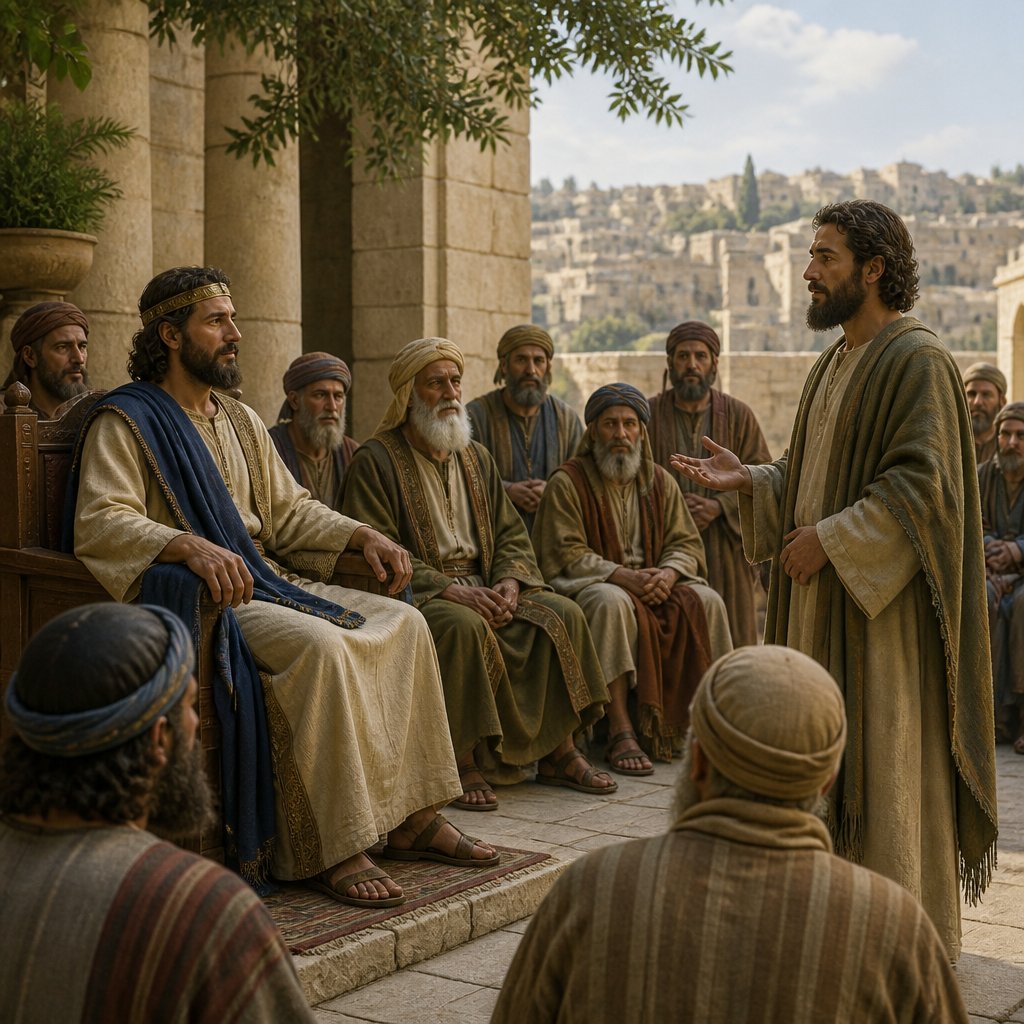
The Bible verse 1 Kings 12:23 in the King James Version reads, "Speak unto Rehoboam, the son of Solomon, king of Judah, and unto all the house of Judah and Benjamin, and to the remnant of the people, saying." This verse is situated within a larger narrative about the division of the kingdom of Israel following the reign of King Solomon. After Solomon's death, his son Rehoboam succeeded him as king. However, the people of Israel, particularly those from the northern tribes, approached Rehoboam about their heavy burden of taxes and forced labor that had been imposed upon them by his father. The verse sets the stage for the dialogue between Rehoboam and the people of Israel as they seek resolution for their grievances.
The themes present in this verse and the surrounding narrative include the consequences of leadership, the weight and responsibilities of kingship, the tension between different factions, and the political and social dynamics of a nation. This verse also serves as a reminder of the importance of communication, negotiation, and empathy in leadership, as well as the consequences of failing to heed the grievances of the people.
The historical and cultural context of the verse is crucial to understanding its significance. The division of the kingdom of Israel represented a pivotal moment in the history of the Israelite people. It marked the beginning of a period of internal strife and conflict, ultimately leading to the downfall of both the northern kingdom of Israel and the southern kingdom of Judah at the hands of foreign conquerors. The consequences of the division had long-lasting effects on the religious, political, and social identity of the Jewish people.
Symbolism is also a significant aspect of this verse. Rehoboam, as the heir to the throne of Solomon, symbolizes the burden of leadership and the weight of familial legacy. The house of Judah and Benjamin represents the factions and loyalties within the kingdom, while the "remnant of the people" signifies the voices of dissent and the marginalized in society. The act of speaking, which is emphasized in the verse, carries the symbolism of communication, dialogue, and the potential for reconciliation.
In the broader context of the Bible, this verse and the narrative it belongs to can be interpreted as a cautionary tale about the importance of just and compassionate leadership. It serves as a reminder of the consequences of division and strife within a community, and the necessity of seeking resolution and understanding in times of conflict.
In conclusion, 1 Kings 12:23, within the larger narrative of the division of the kingdom of Israel, holds significant meaning and relevance. It explores themes of leadership, communication, division, and consequences, within the historical context of ancient Israel. Its symbolism and implications extend to the broader themes of human nature, the dynamics of power and governance, and the importance of empathy and understanding in leadership. As such, this verse offers timeless wisdom and insights that continue to resonate with readers and provide valuable lessons for personal, social, and political life.
Get our apps


Artwork for 1 Kings 12:23

1 Kings 12:23 - "Speak unto Rehoboam, the son of Solomon, king of Judah, and unto all the house of Judah and Benjamin, and to the remnant of the people, saying,"
"Speak unto Rehoboam, the son of Solomon, king of Judah, and unto all the house of Judah and Benjamin, and to the remnant of the people, saying," - 1 Kings 12:23

1 Kings 10:23 - "So king Solomon exceeded all the kings of the earth for riches and for wisdom."

1 Kings 12:11

1 Kings 12:11

1 Kings 12:10

1 Kings 12:10

1 Kings 12:10

1 Kings 12:11

1 Kings 12:10
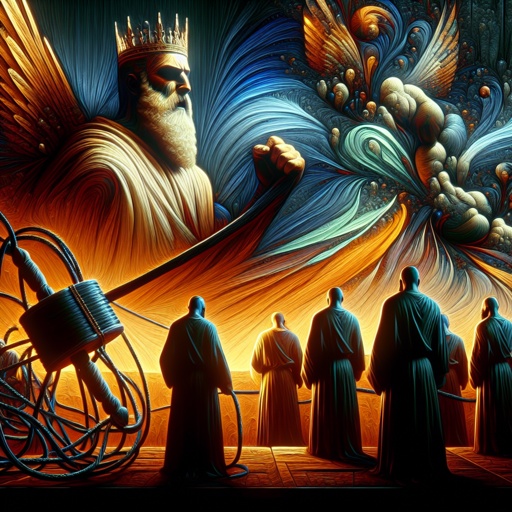
1 Kings 12:11

1 Kings 12:14

1 Kings 12:14

1 Kings 12:11

Genesis 1:2 3

1 kings 3:12

2 Kings 23:1 - "And the king sent, and they gathered unto him all the elders of Judah and of Jerusalem."

1 Chronicles 23:12 - "¶ The sons of Kohath; Amram, Izhar, Hebron, and Uzziel, four."

1 Kings 12:1 - "And Rehoboam went to Shechem: for all Israel were come to Shechem to make him king."
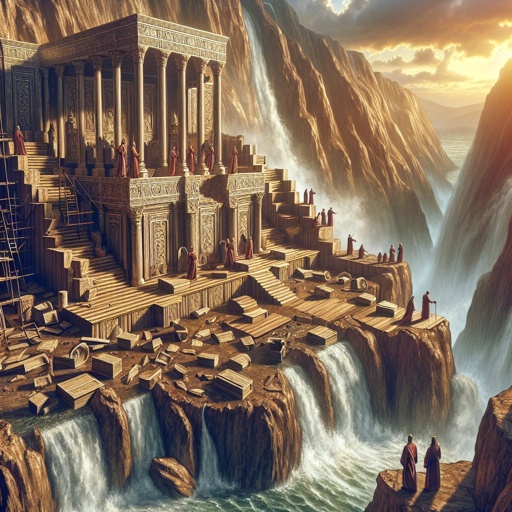
2 Kings 23:12 - "And the altars that were on the top of the upper chamber of Ahaz, which the kings of Judah had made, and the altars which Manasseh had made in the two courts of the house of the LORD, did the king beat down, and brake them down from thence, and cast the dust of them into the brook Kidron."

"So king Solomon exceeded all the kings of the earth for riches and for wisdom." - 1 Kings 10:23

1 Kings 1:23 - "And they told the king, saying, Behold Nathan the prophet. And when he was come in before the king, he bowed himself before the king with his face to the ground."

1 Kings 21:23 - "And of Jezebel also spake the LORD, saying, The dogs shall eat Jezebel by the wall of Jezreel."

1 Kings 12:19 - "So Israel rebelled against the house of David unto this day."

1 Kings 6:23 - "¶ And within the oracle he made two cherubims of olive tree, each ten cubits high."

1 Kings 21:12 - "They proclaimed a fast, and set Naboth on high among the people."

1 Kings 12:12 - "¶ So Jeroboam and all the people came to Rehoboam the third day, as the king had appointed, saying, Come to me again the third day."

1 Kings 12:22 - "But the word of God came unto Shemaiah the man of God, saying,"

1 Kings 12:13 - "And the king answered the people roughly, and forsook the old men's counsel that they gave him;"

1 Kings 14:23 - "For they also built them high places, and images, and groves, on every high hill, and under every green tree."