What does 1 Kings 12:26 mean?
“And Jeroboam said in his heart, Now shall the kingdom return to the house of David:” — 1 Kings 12:26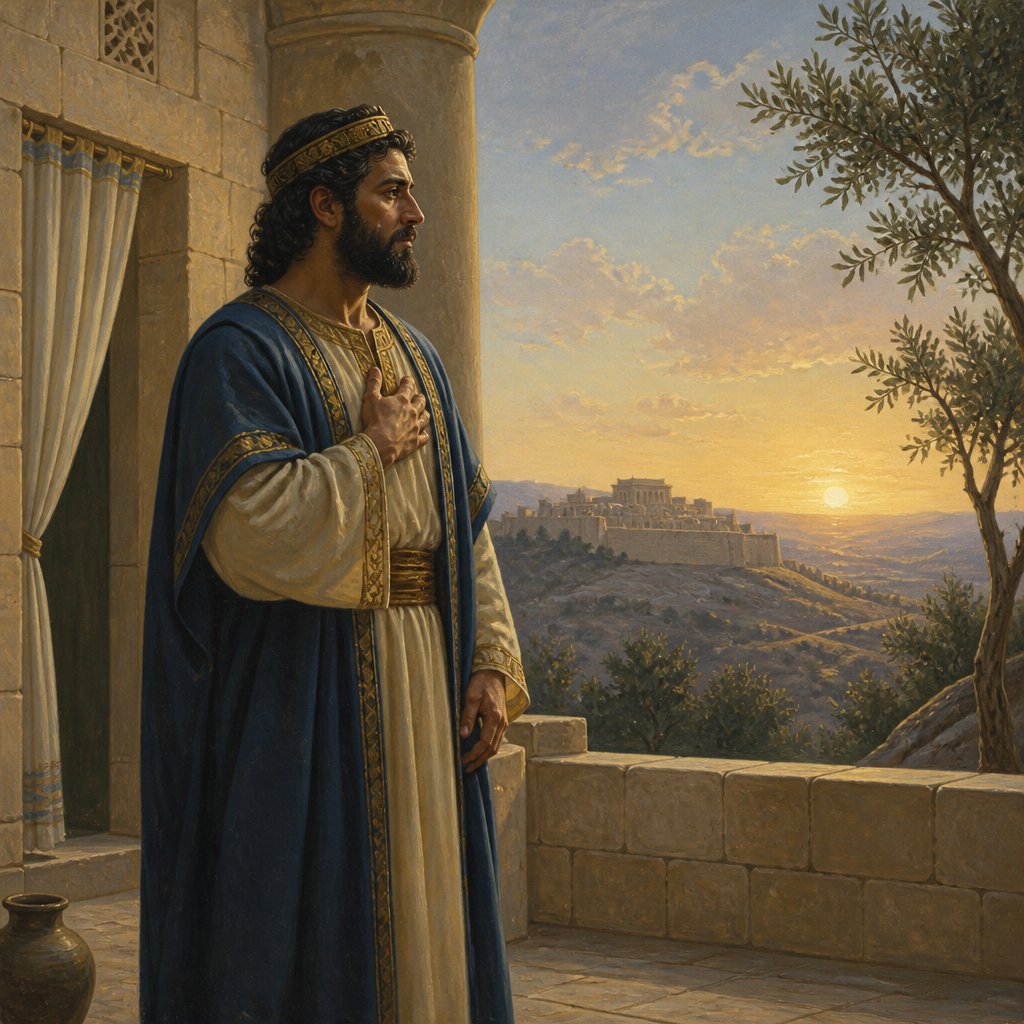
1 Kings 12:26 (KJV) reads, "And Jeroboam said in his heart, Now shall the kingdom return to the house of David."
This verse comes from the Old Testament, in the book of 1 Kings, which tells the story of the division of the kingdom of Israel after the death of Solomon. In this particular verse, Jeroboam, one of Solomon's former officials, is expressing his thoughts about the future of the kingdom. To fully understand the meaning and significance of this verse, it is important to delve into the historical and cultural context of the time.
During the reign of King Solomon, the kingdom of Israel was at its peak. However, when Solomon died, his son Rehoboam took the throne. Rehoboam's harsh and oppressive policies caused the northern tribes of Israel to revolt, leading to the division of the kingdom. Jeroboam, a former servant of Solomon, became the king of the newly formed northern kingdom, known as Israel, while Rehoboam continued to rule over the southern kingdom, known as Judah.
In 1 Kings 12:26, Jeroboam's statement reflects his concerns and ambitions. He believed that with the division of the kingdom, the northern tribes would eventually return to the rule of the house of David, referring to the southern kingdom of Judah. This reveals Jeroboam's underlying fear that the division of the kingdom would not be permanent, and that the northern kingdom would ultimately be reunited with the southern kingdom under the house of David.
The theme of power and succession is central to this verse. The division of the kingdom and the subsequent rise of Jeroboam to power are the direct result of the struggles for the throne and the consequences of poor leadership. Jeroboam's desire to maintain his power and control over the northern kingdom is evident in his inner thoughts expressed in this verse.
Furthermore, the verse also highlights the ongoing rivalry between the northern and southern kingdoms of Israel and Judah. The division of the kingdom not only led to political and territorial separation but also to deep-seated animosity and competition between the two kingdoms. Jeroboam's concern about the return of the kingdom to the house of David reveals the underlying tensions and uncertainties of the time.
Symbolically, this verse can be interpreted as a reflection of human desires and fears. Jeroboam's internal struggles and ambitions mirror the complex nature of human emotions and motivations. His fear of losing power and his desire to maintain control are universal themes that resonate with people throughout history.
In conclusion, 1 Kings 12:26 provides a glimpse into the political, social, and emotional landscape of ancient Israel. Jeroboam's inner thoughts reveal the complexities of power, succession, and rivalry that shaped the history of the divided kingdom. The verse also serves as a reminder of the enduring nature of human desires and fears, as well as the inevitable consequences of ambition and struggle for power.
Get our apps


Artwork for 1 Kings 12:26

1 Kings 12:26 - "And Jeroboam said in his heart, Now shall the kingdom return to the house of David:"
"And Jeroboam said in his heart, Now shall the kingdom return to the house of David:" - 1 Kings 12:26

1 Kings 14:26
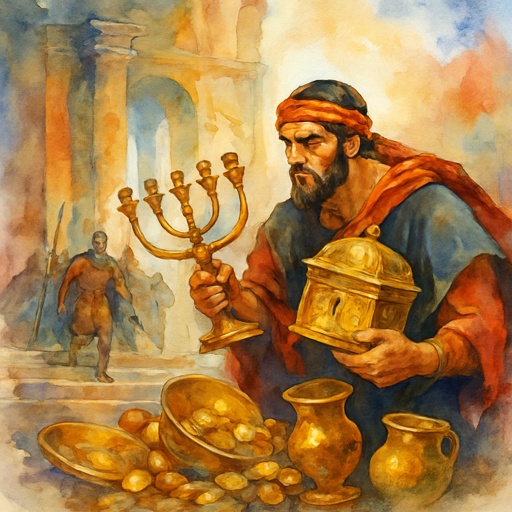
1 Kings 14:26

Genisis 26:12

1 Kings 12:11

1 Kings 12:11

1 Kings 12:10

1 Kings 12:10

1 Kings 12:10

1 Kings 12:11

1 Kings 12:10
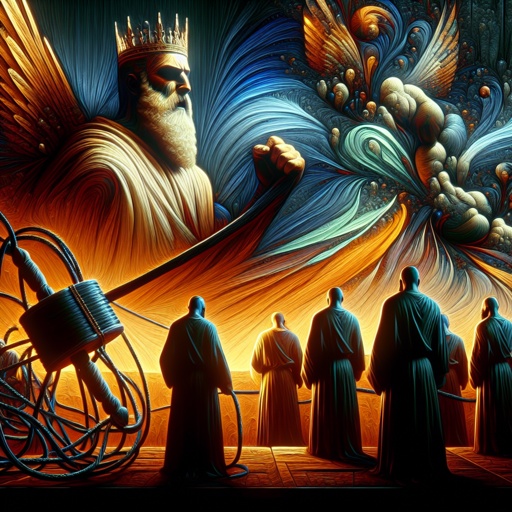
1 Kings 12:11

1 Kings 12:14

1 Kings 12:14

1 Kings 12:11

1 Chronicles 12:26 - "Of the children of Levi four thousand and six hundred."

1 Kings 6:26 - "The height of the one cherub was ten cubits, and so was it of the other cherub."

1 kings 3:12

1 Kings 4:26 - "¶ And Solomon had forty thousand stalls of horses for his chariots, and twelve thousand horsemen."

1 Kings 1:26 - "But me, even me thy servant, and Zadok the priest, and Benaiah the son of Jehoiada, and thy servant Solomon, hath he not called."

1 Kings 22:26 - "And the king of Israel said, Take Micaiah, and carry him back unto Amon the governor of the city, and to Joash the king's son;"

1 Kings 12:1 - "And Rehoboam went to Shechem: for all Israel were come to Shechem to make him king."

1 Kings 9:26 - "¶ And king Solomon made a navy of ships in Ezion-geber, which is beside Eloth, on the shore of the Red sea, in the land of Edom."

1 Kings 12:19 - "So Israel rebelled against the house of David unto this day."

1 Kings 21:12 - "They proclaimed a fast, and set Naboth on high among the people."

1 Kings 12:12 - "¶ So Jeroboam and all the people came to Rehoboam the third day, as the king had appointed, saying, Come to me again the third day."

1 Kings 20:26 - "And it came to pass at the return of the year, that Ben-hadad numbered the Syrians, and went up to Aphek, to fight against Israel."

1 Kings 14:26 Show the King of Egypt dressed in Egyptian kingly attire overseeing the removal of the treasures.

1 Kings 12:22 - "But the word of God came unto Shemaiah the man of God, saying,"