What does 1 Kings 12:31 mean?
“And he made an house of high places, and made priests of the lowest of the people, which were not of the sons of Levi.” — 1 Kings 12:31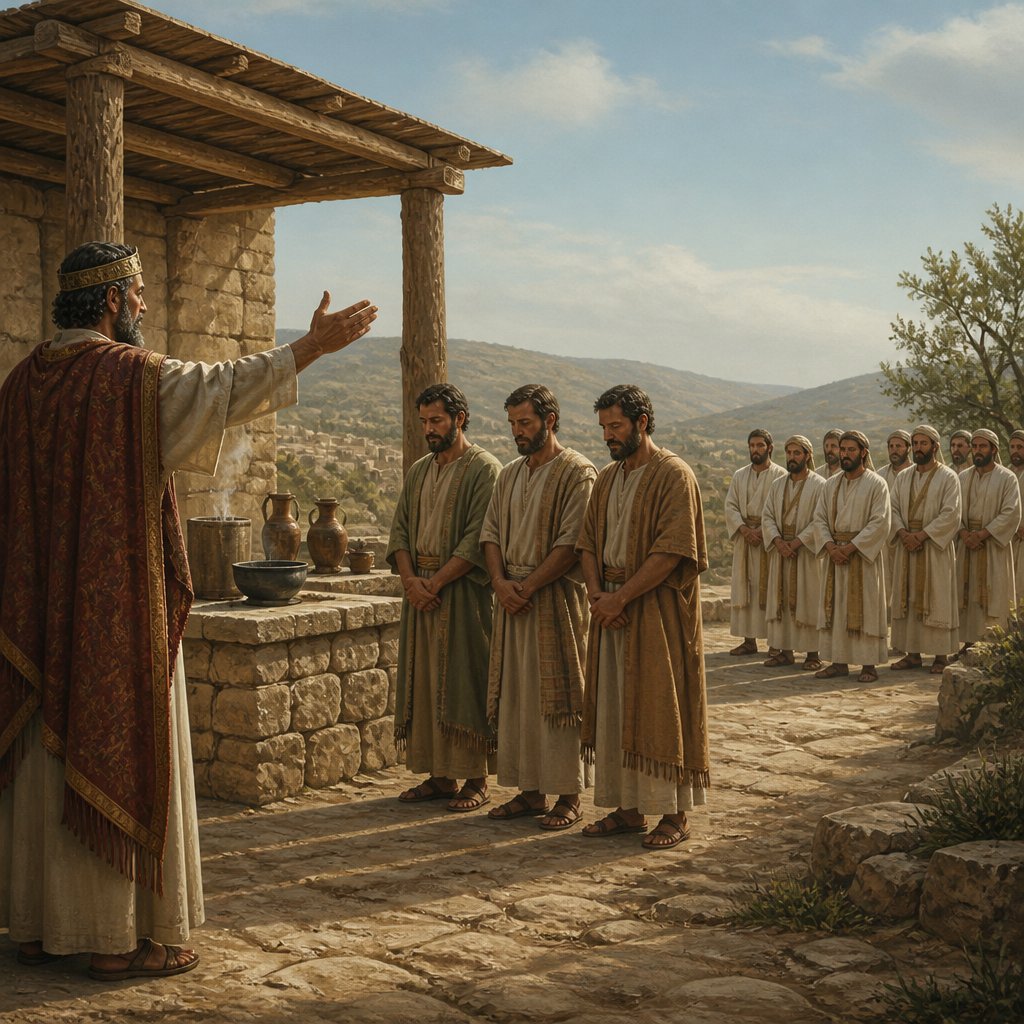
1 Kings 12:31
"And he made an house of high places, and made priests of the lowest of the people, which were not of the sons of Levi."
This verse comes from the book of 1 Kings in the Old Testament, which chronicles the rise and fall of the Israelite monarchy. Specifically, the verse is part of the account of Jeroboam, the leader of the northern tribes of Israel, who rebels against King Rehoboam, the son of King Solomon. Jeroboam's actions ultimately lead to the division of the kingdom into two separate entities.
In the preceding verses, we learn that Jeroboam, fearing that the people of the northern tribes would defect to the southern kingdom of Judah to worship at the temple in Jerusalem, decides to set up his own religious structure in the northern kingdom. This verse describes the establishment of a "house of high places" - essentially referring to altars and shrines located at elevated locations, often on hills or mountains - and the appointment of priests from among the non-Levitical ranks of the population.
This act by Jeroboam is significant for various reasons, both in its historical contexts and its broader thematic implications.
First and foremost, this verse highlights the gravity of Jeroboam's sin. Throughout Israel's history, the setting up of "high places" for worship was repeatedly condemned by God because it led to idolatry and the worship of false gods. The establishment of non-Levitical priests further violated the laws given by God to Moses, which designated the tribe of Levi as the priests of Israel. As a result, this verse underscores Jeroboam's departure from the covenant with God, which had severe consequences for him and the people he led.
Furthermore, this verse also highlights the theme of leadership and the influence it carries. Jeroboam's actions revealed his lack of trust in God's ability to protect and provide for the people of the northern kingdom. Instead of leading with faith and depending on God's promises, he resorted to fear and manipulation. In doing so, Jeroboam set a dangerous precedent for the nature of leadership, one that would be characterized by disobedience and distrust.
The symbolism of the "house of high places" is also worth noting. Throughout the Bible, mountains and high places often symbolize encounters with God or moments of revelation. However, in the context of idolatry and false worship, these "high places" become symbols of rebellion and spiritual adultery. Jeroboam's act of setting up such places of worship not only defied God's commands but also served as a physical embodiment of the spiritual separation between the northern kingdom and God.
Finally, this verse serves as a sobering reminder of the consequences of straying from God's commands. The division of the kingdom, sparked by Jeroboam's rebellion, ultimately led to the downfall of the northern kingdom and its exile. This serves as a cautionary tale about the dangers of spiritual compromise and the importance of remaining obedient to God's Word, especially for leaders who carry a responsibility to shepherd God's people.
In conclusion, 1 Kings 12:31 captures a pivotal moment in the history of Israel, shedding light on the consequences of rebellion and apostasy. The verse also underscores the themes of leadership, disobedience, and the symbolism of high places, serving as a timeless lesson for believers about the importance of remaining faithful to God's commands. Ultimately, this passage invites us to reflect on the nature of our own obedience and allegiance to God, highlighting the enduring relevance and wisdom of the Bible's teachings.
Get our apps


Artwork for 1 Kings 12:31

1 Kings 12:31 - "And he made an house of high places, and made priests of the lowest of the people, which were not of the sons of Levi."
"And he made an house of high places, and made priests of the lowest of the people, which were not of the sons of Levi." - 1 Kings 12:31

1 Kings 11:30-31

1 Kings 11:30-31

1 Kings 11:30-31

Titus 3:1-2

Titus 3:1-2

1 Kings 15:31 - "¶ Now the rest of the acts of Nadab, and all that he did, are they not written in the book of the chronicles of the kings of Israel?"

1 Kings 12:11

1 Kings 12:11

1 Kings 12:10

1 Kings 12:10

1 Kings 12:10

1 Kings 12:11

1 Kings 12:10
1 Kings 12:11

1 Kings 12:14

1 Kings 12:14

1 Kings 12:11

1 Sam 31: 12-13

1 Kings 1:31 - "Then Bath-sheba bowed with her face to the earth, and did reverence to the king, and said, Let my lord king David live for ever."

1 kings 3:12

1 Chronicles 12:31 - "And of the half tribe of Manasseh eighteen thousand, which were expressed by name, to come and make David king."

1 Kings 6:31 - "¶ And for the entering of the oracle he made doors of olive tree: the lintel and side posts were a fifth part of the wall."

1 Corinthians 12:31 - "But covet earnestly the best gifts: and yet shew I unto you a more excellent way."

1 Kings 12:1 - "And Rehoboam went to Shechem: for all Israel were come to Shechem to make him king."

1 Kings 12:19 - "So Israel rebelled against the house of David unto this day."

"¶ Now the rest of the acts of Nadab, and all that he did, are they not written in the book of the chronicles of the kings of Israel?" - 1 Kings 15:31

1 Kings 21:12 - "They proclaimed a fast, and set Naboth on high among the people."

1 Kings 20:31 - "¶ And his servants said unto him, Behold now, we have heard that the kings of the house of Israel are merciful kings: let us, I pray thee, put sackcloth on our loins, and ropes upon our heads, and go out to the king of Israel: peradventure he will save thy life."