What does 1 Kings 13:11 mean?
“Now there dwelt an old prophet in Beth-el; and his sons came and told him all the works that the man of God had done that day in Beth-el: the words which he had spoken unto the king, them they told also to their father.” — 1 Kings 13:11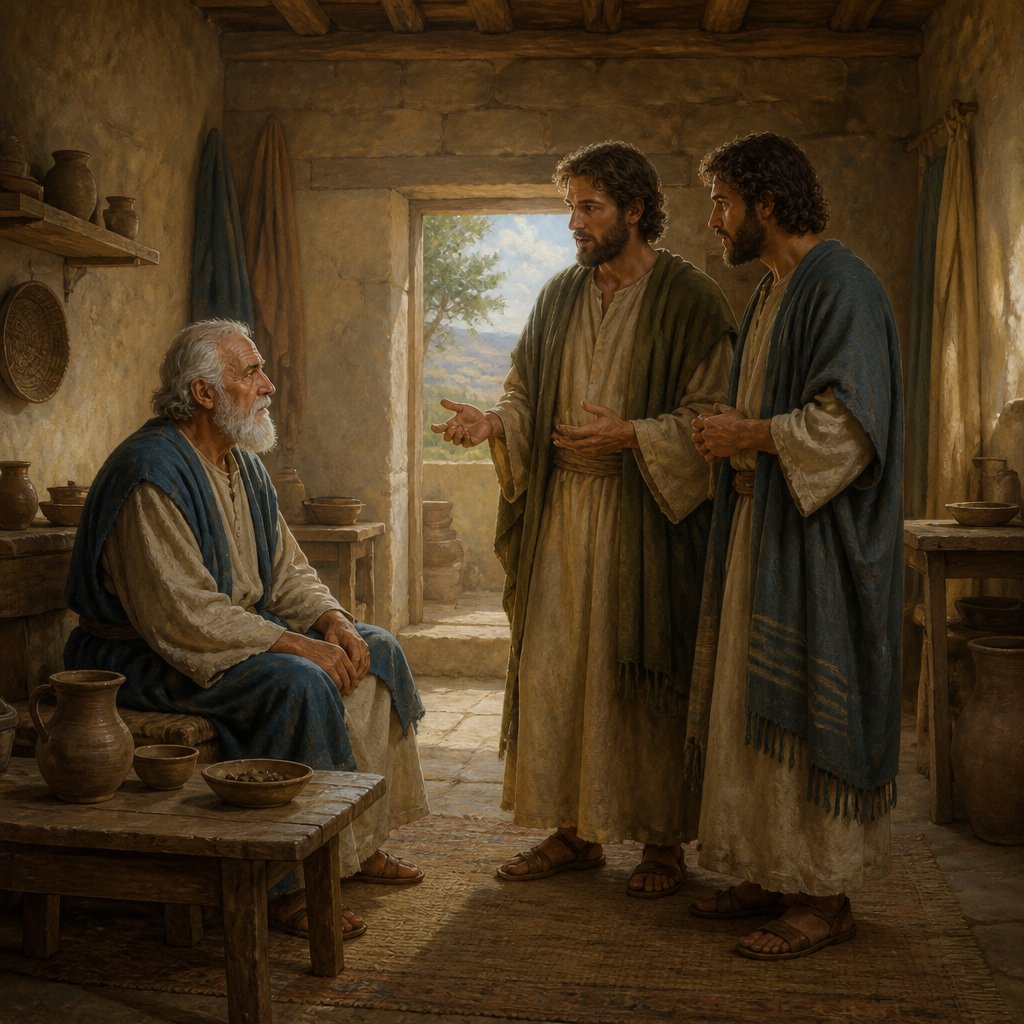
Sure, I'd be happy to provide a detailed analysis of 1 Kings 13:11 from the King James Version of the Bible.
"But it came to pass, after that he was gone, that a lion met him by the way, and slew him: and his carcase was cast in the way, and the ass stood by it, the lion also stood by the carcase."
This verse is part of the story of an unnamed man of God who was sent by the Lord to deliver a message to King Jeroboam, the first king of the northern kingdom of Israel. The man of God was also instructed by the Lord not to eat or drink anything while he was in Bethel, a city that was a center of idol worship. This command was a test of the man of God's obedience, as the Lord wanted to see if he would follow His instructions without question.
In 1 Kings 13:11, the man of God has successfully delivered the message to King Jeroboam and is now on his way home. However, on his journey, he encounters a lion that kills him. This event is a tragic and unexpected turn of events, as the man of God had faithfully carried out the Lord's commands. The fact that his body was left on the road, with the lion standing next to it and the donkey remaining nearby, adds to the pathos of the scene.
At first glance, this verse can be perplexing and difficult to understand. It can be tempting to question why the man of God, who had faithfully carried out the Lord's instructions, would meet such a grim fate. However, when we examine this verse in the context of the broader themes of the book of 1 Kings and the Bible as a whole, we can glean deeper insights into its meaning.
One of the key themes in 1 Kings is the importance of obedience to God's commands. Throughout the book, we see examples of individuals who either follow or disobey the Lord's instructions, and the consequences of their choices. In the case of the man of God in 1 Kings 13:11, his tragic end serves as a sobering reminder of the seriousness of obedience. Despite his faithful execution of the Lord's initial command, the man of God made the mistake of disobeying a subsequent command given to him by another prophet. This error ultimately cost him his life.
Another important aspect of this verse is the concept of spiritual warfare. In the Bible, lions are often used as symbols of danger, destruction, and the forces of evil. The encounter between the man of God and the lion can be seen as a metaphor for the ongoing spiritual battle between good and evil. The man of God, despite his obedience in other areas, fell victim to the destructive power of sin and disobedience.
Additionally, the imagery of the lion and the man of God's body left on the road serves as a vivid and haunting symbol of the consequences of straying from the path of righteousness. It is a poignant reminder of the dangers of spiritual complacency and the importance of remaining vigilant in our faith.
In conclusion, 1 Kings 13:11 is a poignant and thought-provoking verse that carries important lessons about obedience, spiritual warfare, and the consequences of disobedience. It serves as a sobering reminder of the importance of remaining faithful to God's commands and the dangers of straying from His path. This verse challenges us to examine our own obedience and commitment to God and serves as a powerful call to remain steadfast in our faith.
Get our apps


Artwork for 1 Kings 13:11

1 Kings 13:11 - "¶ Now there dwelt an old prophet in Beth-el; and his sons came and told him all the works that the man of God had done that day in Beth-el: the words which he had spoken unto the king, them they told also to their father."
"¶ Now there dwelt an old prophet in Beth-el; and his sons came and told him all the works that the man of God had done that day in Beth-el: the words which he had spoken unto the king, them they told also to their father." - 1 Kings 13:11

1 kings 11:11-13

1 Kings 11:11-13

1 Kings 11:11-13

1 Kings 11:13

1 Kings 11:13

1 Kings 6:11-13

1 Kings 6:11-13

1 Kings 6:11-13

1 Kings 6:11-13

1 Kings 6:11-13

1 Kings 11:13 - "Howbeit I will not rend away all the kingdom; but will give one tribe to thy son for David my servant's sake, and for Jerusalem's sake which I have chosen."

1 Kings 11:11

1 Kings 11:11

1 Kings 11:11

1 Kings 11:11

1 Kings 11:11

2 Kings 11:13 - "¶ And when Athaliah heard the noise of the guard and of the people, she came to the people into the temple of the LORD."

1 Kings 11:1-5

1 Kings 12:11

1 Kings 12:11

1 Kings 11:5

1 Kings 12:11

1 Kings 12:11

1 Kings 12:11

Nehemiah 11:13
1 Samuel 13:11

1 Kings 11:29-32

1 Kings 11:30-31