What does 1 Kings 15:27 mean?
“And Baasha the son of Ahijah, of the house of Issachar, conspired against him; and Baasha smote him at Gibbethon, which belonged to the Philistines; for Nadab and all Israel laid siege to Gibbethon.” — 1 Kings 15:27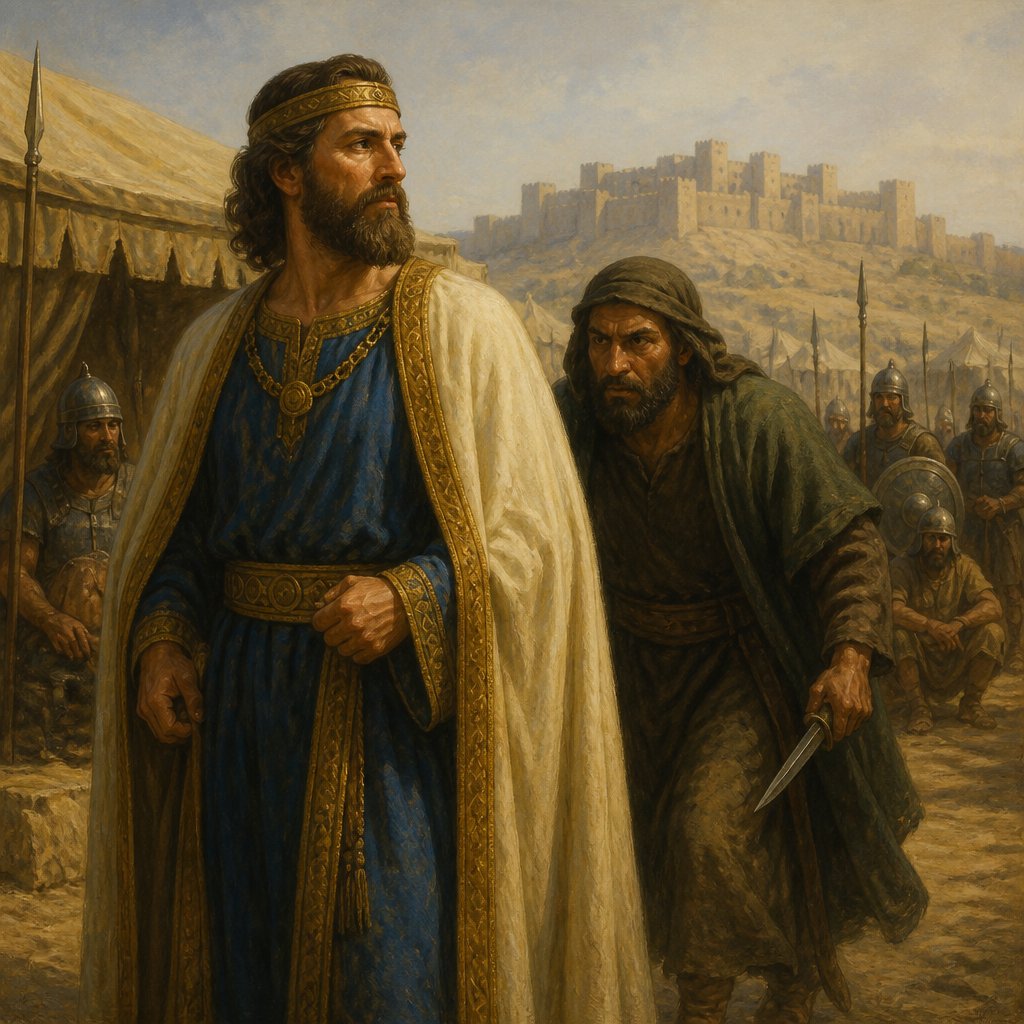
In 1 Kings 15:27, the verse states, "And Baasha the son of Ahijah, of the house of Issachar, conspired against him; and Baasha smote him at Gibbethon, which belonged to the Philistines; for Nadab and all Israel laid siege to Gibbethon." This verse is a part of the historical narrative of the events that took place during the reign of King Asa of Judah and King Nadab of Israel.
To understand the context of this verse, we need to look at the broader historical and political landscape of Israel during this time. After the death of King Solomon, the nation of Israel was divided into two kingdoms: the northern kingdom of Israel and the southern kingdom of Judah. These two kingdoms were often at odds with each other, and there were frequent struggles for power and influence.
In 1 Kings 15:27, we see that Baasha, an official of King Nadab, conspired against him and ultimately killed him. This act of violence and betrayal was a common occurrence in the ancient world, especially within the royal courts where power struggles were common. Baasha's actions were driven by a quest for power and a desire to ascend to the throne of Israel.
The verse also mentions Gibbethon, which was a city that belonged to the Philistines. The fact that Nadab and all of Israel laid siege to Gibbethon indicates that the city was of strategic importance and that there were broader geopolitical considerations at play. The siege of Gibbethon was likely a part of a larger conflict between Israel and the Philistines.
As we delve deeper into the themes and symbolism of this verse, we can see several important lessons that are revealed. Firstly, the verse serves as a sobering reminder of the corrupting influence of power. Baasha's ruthless actions demonstrate the destructive consequences of unchecked ambition and the lengths to which people will go to gain and maintain power.
Moreover, the verse also highlights the volatile and unstable nature of political power in the ancient world. The constant struggles for power and the frequent betrayals and assassinations underscore the precariousness of leadership and the inherent vulnerabilities of human authority.
In a broader theological sense, this verse is a part of the larger narrative of the Israelite monarchy, which ultimately culminates in the rise and fall of various kings and the eventual exile of the Israelite people. Throughout the Bible, the theme of human frailty and the corrupting nature of power is a recurring motif, and this verse is a poignant example of this theme.
Ultimately, 1 Kings 15:27 serves as a sobering reminder of the complex and often dark realities of human society and the frailty of human leadership. It challenges us to consider the corrupting influence of power and the need for wisdom, humility, and moral integrity in our own lives and in the leaders we choose to follow. As we reflect on this verse, we are encouraged to seek a deeper understanding of the complexities of human nature and the profound importance of ethical leadership.
Get our apps


Artwork for 1 Kings 15:27
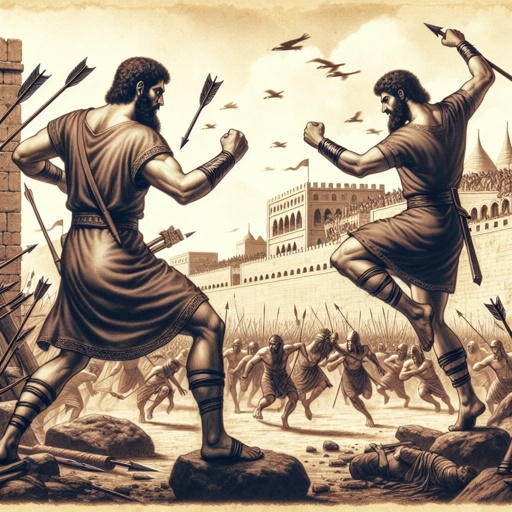
1 Kings 15:27 - "¶ And Baasha the son of Ahijah, of the house of Issachar, conspired against him; and Baasha smote him at Gibbethon, which belonged to the Philistines; for Nadab and all Israel laid siege to Gibbethon."

"¶ And Baasha the son of Ahijah, of the house of Issachar, conspired against him; and Baasha smote him at Gibbethon, which belonged to the Philistines; for Nadab and all Israel laid siege to Gibbethon." - 1 Kings 15:27

1 Kings 7:27-38

1 Kings 7:27-38

2 Kings 15:27 - "¶ In the two and fiftieth year of Azariah king of Judah Pekah the son of Remaliah began to reign over Israel in Samaria, and reigned twenty years."

1 kings 3:15

1 kings 3:15

1 Kings 16:27 - "Now the rest of the acts of Omri which he did, and his might that he shewed, are they not written in the book of the chronicles of the kings of Israel?"

1 Kings 13:27 - "And he spake to his sons, saying, Saddle me the ass. And they saddled him."

1 Kings 10:27 - "And the king made silver to be in Jerusalem as stones, and cedars made he to be as the sycomore trees that are in the vale, for abundance."

1 Kings 15:31 - "¶ Now the rest of the acts of Nadab, and all that he did, are they not written in the book of the chronicles of the kings of Israel?"

1 Kings 10:15 - "Beside that he had of the merchantmen, and of the traffick of the spice merchants, and of all the kings of Arabia, and of the governors of the country."

1 Kings 3:27 - "Then the king answered and said, Give her the living child, and in no wise slay it: she is the mother thereof."

1 Kings 9:27 - "And Hiram sent in the navy his servants, shipmen that had knowledge of the sea, with the servants of Solomon."

1 Kings 15:1 - "Now in the eighteenth year of king Jeroboam the son of Nebat reigned Abijam over Judah."

1 Kings 11:1-5

1 Timothy 6:15-16 – "God, the blessed and only Ruler, the King of kings and Lord of lords."

1 Kings 15:32 - "And there was war between Asa and Baasha king of Israel all their days."

1 Kings 15:16 - "¶ And there was war between Asa and Baasha king of Israel all their days."

1 Timothy 6:15-16 – "God, the blessed and only Ruler, the King of kings and Lord of lords."

1 Timothy 6:15-16 – "God, the blessed and only Ruler, the King of kings and Lord of lords."

1 Timothy 6:15-16 – "God, the blessed and only Ruler, the King of kings and Lord of lords."

1 Kings 1:27 - "Is this thing done by my lord the king, and thou hast not shewed it unto thy servant, who should sit on the throne of my lord the king after him?"

1 Kings 1:15 - "¶ And Bath-sheba went in unto the king into the chamber: and the king was very old; and Abishag the Shunammite ministered unto the king."

1 Kings 14:27 - "And king Rehoboam made in their stead brasen shields, and committed them unto the hands of the chief of the guard, which kept the door of the king's house."

1 Kings 15:9 - "¶ And in the twentieth year of Jeroboam king of Israel reigned Asa over Judah."

1 Timothy 6:15-16 – "God, the blessed and only Ruler, the King of kings and Lord of lords."

1 Samuel 27:6 - "Then Achish gave him Ziklag that day: wherefore Ziklag pertaineth unto the kings of Judah unto this day."

1 Kings 15:7 - "Now the rest of the acts of Abijam, and all that he did, are they not written in the book of the chronicles of the kings of Judah? And there was war between Abijam and Jeroboam."

1 Samuel 15:27 - "And as Samuel turned about to go away, he laid hold upon the skirt of his mantle, and it rent."