What does 1 Kings 16:21 mean?
“Then were the people of Israel divided into two parts: half of the people followed Tibni the son of Ginath, to make him king; and half followed Omri.” — 1 Kings 16:21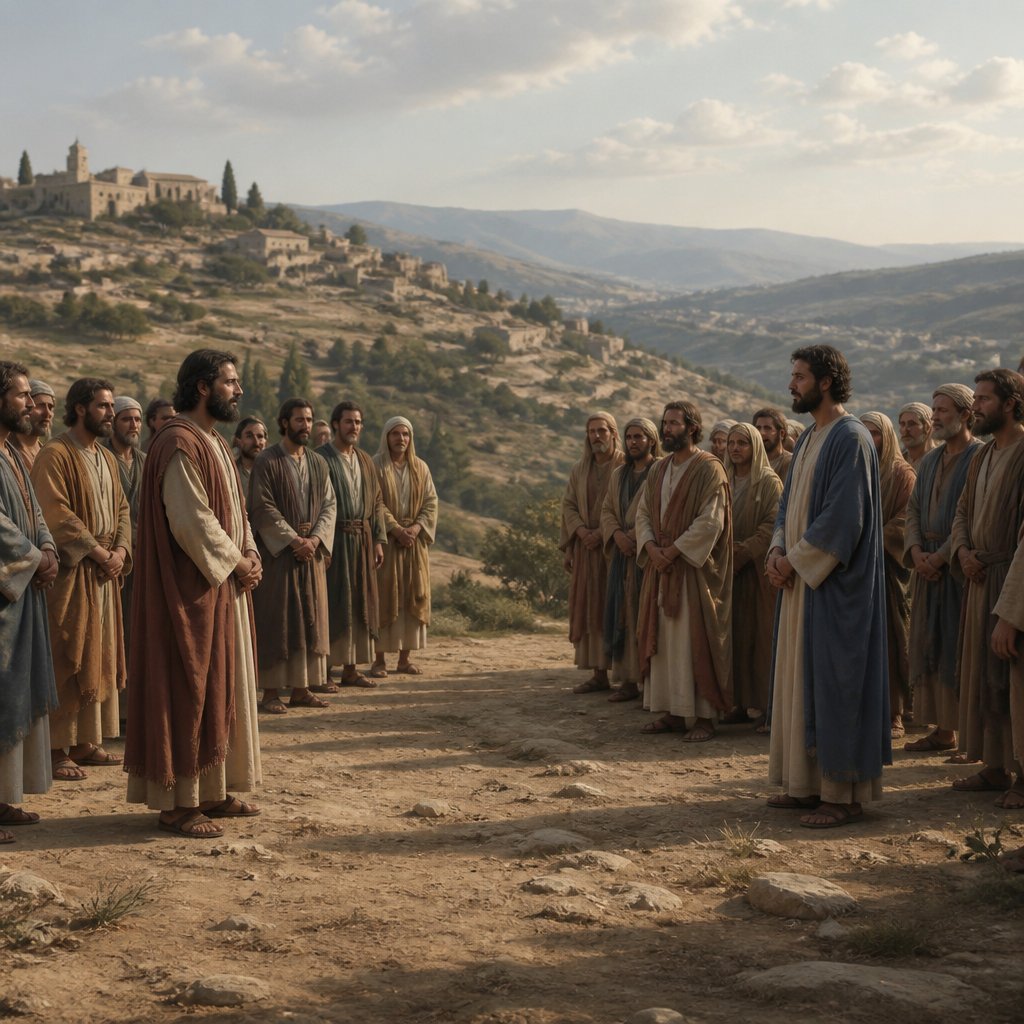
1 Kings 16:21 (KJV) reads, "Then were the people of Israel divided into two parts: half of the people followed Tibni the son of Ginath, to make him king; and half followed Omri."
This verse comes from the Old Testament of the Bible, specifically from the book of 1 Kings. It is a part of the historical account of the kings of Israel, specifically during a time of political turmoil and division within the nation.
The context of this verse is important for understanding its significance. The preceding verses in 1 Kings 16 describe the reigns of several different kings of Israel, all of whom were deposed or killed due to their disobedience to God. The verse immediately before 1 Kings 16:21 introduces a new king, Zimri, who comes to power through deceit and political intrigue. Zimri reigns for only seven days before the people of Israel learn of his illegitimate ascent to the throne and begin to follow Tibni and Omri as potential rivals for the kingship.
The division of the people of Israel into two parts represents the profound political and social unrest that characterized this period in the nation's history. The fragmentation of the people indicates a lack of unity and a potentially volatile situation, as competing factions vied for power and influence. This division serves as a warning about the consequences of political instability and the dangers of internal conflict.
The two individuals mentioned in the verse, Tibni and Omri, are significant not only as rival claimants to the throne but also as symbols of larger themes within the biblical narrative. Tibni, the son of Ginath, represents the traditional power structures and the established order. He likely had the support of those who were loyal to the previous monarchy and were wary of radical change. Omri, on the other hand, represents a new and perhaps more progressive approach to leadership. His faction likely attracted those who were dissatisfied with the existing leadership and sought a fresh start for the nation.
The division between Tibni and Omri reflects broader theological themes found throughout the Bible, particularly the tension between tradition and innovation, and the struggle for power and authority. This tension is often seen in the choices made by the people of Israel regarding their obedience to God and the implementation of His laws and commandments. The division among the people in this verse serves as a microcosm of this larger theological tension, highlighting the ongoing struggle for righteousness and fidelity to God's will.
Symbolically, this division among the people also serves as a stark reminder of the consequences of disobedience and the destabilizing effects of sinful actions. Throughout the Old Testament, Israel's history is marked by political upheaval and societal discord, often as a result of the people's failure to follow God's commandments. This verse, then, can be seen as a reflection of the larger narrative of the nation's constant struggle to remain faithful to God and the resulting turmoil that comes from turning away from Him.
In conclusion, 1 Kings 16:21 presents a vivid snapshot of the political and social disarray that characterized a tumultuous period in Israel's history. The division of the people into rival factions and the competition between Tibni and Omri mirror larger theological themes of obedience, power, and the consequences of sin. This verse serves as a cautionary tale about the dangers of disunity and the importance of remaining faithful to God's will. It also highlights the ongoing struggle for righteousness and God's sovereignty in the midst of human frailty and disobedience.
Get our apps


Artwork for 1 Kings 16:21

1 Kings 16:21 - "¶ Then were the people of Israel divided into two parts: half of the people followed Tibni the son of Ginath, to make him king; and half followed Omri."
"¶ Then were the people of Israel divided into two parts: half of the people followed Tibni the son of Ginath, to make him king; and half followed Omri." - 1 Kings 16:21

1 Chronicles 16:21 - "He suffered no man to do them wrong: yea, he reproved kings for their sakes,"

1 Kings 21:16 - "And it came to pass, when Ahab heard that Naboth was dead, that Ahab rose up to go down to the vineyard of Naboth the Jezreelite, to take possession of it."
"He suffered no man to do them wrong: yea, he reproved kings for their sakes," - 1 Chronicles 16:21

1 Kings 8:21

1 Kings 8:21

1 Kings 8:21

1 Kings 8:21

1 Kings 21:14 - "Then they sent to Jezebel, saying, Naboth is stoned, and is dead."

1 Corinthians 16:21 - "The salutation of me Paul with mine own hand."

1 Kings 21:28 - "And the word of the LORD came to Elijah the Tishbite, saying,"

1 Kings 21:17 - "¶ And the word of the LORD came to Elijah the Tishbite, saying,"

1 Kings 20:16 - "And they went out at noon. But Ben-hadad was drinking himself drunk in the pavilions, he and the kings, the thirty and two kings that helped him."

1 Kings 16:14 - "Now the rest of the acts of Elah, and all that he did, are they not written in the book of the chronicles of the kings of Israel?"

1 Kings 1:16 - "And Bath-sheba bowed, and did obeisance unto the king. And the king said, What wouldest thou?"

1 Kings 4:16 - "Baanah the son of Hushai was in Asher and in Aloth:"

1 Kings 16:1 - "Then the word of the LORD came to Jehu the son of Hanani against Baasha, saying,"

1 Kings 21:12 - "They proclaimed a fast, and set Naboth on high among the people."

1 Kings 16:20 - "Now the rest of the acts of Zimri, and his treason that he wrought, are they not written in the book of the chronicles of the kings of Israel?"

1 Kings 16:5 - "Now the rest of the acts of Baasha, and what he did, and his might, are they not written in the book of the chronicles of the kings of Israel?"

1 Timothy 6:15-16 – "God, the blessed and only Ruler, the King of kings and Lord of lords."

1 Timothy 6:15-16 – "God, the blessed and only Ruler, the King of kings and Lord of lords."
1 Timothy 6:15-16 – "God, the blessed and only Ruler, the King of kings and Lord of lords."

1 Timothy 6:15-16 – "God, the blessed and only Ruler, the King of kings and Lord of lords."

1 Kings 15:16 - "¶ And there was war between Asa and Baasha king of Israel all their days."

1 Timothy 6:15-16 – "God, the blessed and only Ruler, the King of kings and Lord of lords."

1 Kings 21:1 - "And it came to pass after these things, that Naboth the Jezreelite had a vineyard, which was in Jezreel, hard by the palace of Ahab king of Samaria."

1 Kings 20:21 - "And the king of Israel went out, and smote the horses and chariots, and slew the Syrians with a great slaughter."
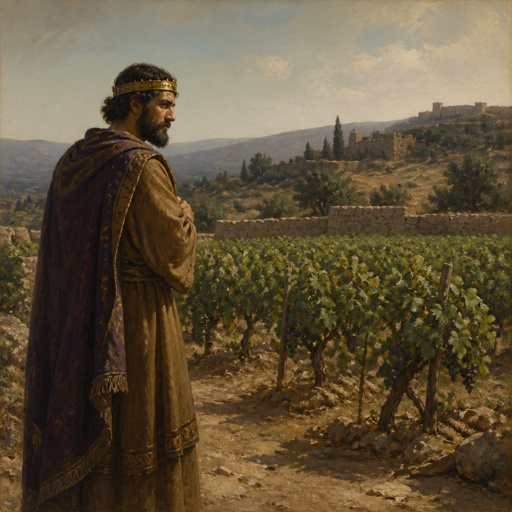
"And it came to pass, when Ahab heard that Naboth was dead, that Ahab rose up to go down to the vineyard of Naboth the Jezreelite, to take possession of it." - 1 Kings 21:16