What does 1 Kings 16:13 mean?
“For all the sins of Baasha, and the sins of Elah his son, by which they sinned, and by which they made Israel to sin, in provoking the LORD God of Israel to anger with their vanities.” — 1 Kings 16:13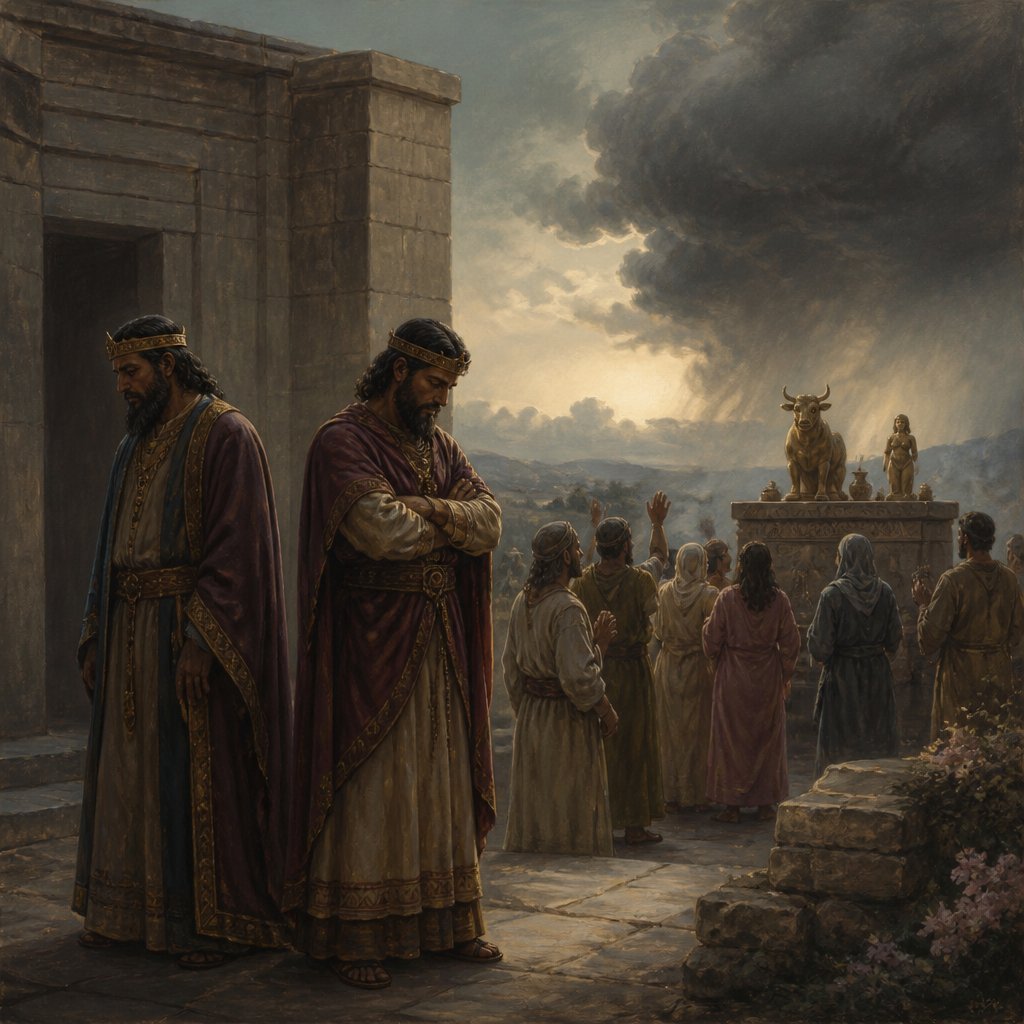
1 Kings 16:13 KJV: For all the sins of Baasha, and the sins of Elah his son, by which they sinned, and by which they made Israel to sin, in provoking the Lord God of Israel to anger with their vanities.
This verse comes from the book of 1 Kings in the Old Testament and is a part of the historical narrative of the kings of Israel. In this particular verse, the sins of Baasha and his son Elah are being highlighted, which ultimately led to the downfall of their reign and the punishment of the nation of Israel.
To fully understand the meaning and commentary of this verse, it is important to examine the context in which it is situated. The book of 1 Kings chronicles the history of Israel from the end of King David's reign to the division of the kingdom into the northern kingdom of Israel and the southern kingdom of Judah. The focus of the book is on the kings who ruled over these kingdoms, their successes, failures, and their relationship with God.
In 1 Kings 16:13, the sins of Baasha, who ruled the northern kingdom of Israel, and his son Elah are being condemned. Baasha seized the throne by killing Nadab, the son of Jeroboam, and went on to rule for 24 years. However, during his reign, he continued in the sinful ways of Jeroboam, leading the nation into idolatry and away from the worship of the true God. Elah, his son, succeeded him but continued in the wickedness of his father. Their reigns were marked by moral decline, idolatry, and a departure from the laws and commandments of God.
The verse condemns the sins of Baasha and Elah, accusing them of provoking the Lord God of Israel to anger with their vanities. The use of the word "vanities" here refers to their idolatrous practices and the worship of false gods. The emphasis is on the fact that their sins not only affected them personally but also led the entire nation of Israel astray, provoking God to anger.
The theme of this verse centers around the consequences of sin, both on an individual level and on a national level. The actions of Baasha and Elah not only led to their own downfall but also had a detrimental effect on the spiritual and moral state of the nation of Israel. Their sinful leadership caused the people to turn away from the worship of the true God and to engage in practices that were displeasing to Him.
The verse also serves as a warning about the dangers of idolatry and the worship of false gods. Throughout the Old Testament, idolatry is repeatedly condemned as a grievous sin that provokes God's anger. The story of Baasha and Elah serves as a cautionary tale about the destructive nature of idol worship and the importance of remaining faithful to the one true God.
Symbolically, the verse represents the consequences of turning away from God and pursuing sinful desires. It illustrates the impact of leadership on a nation and the responsibility of those in positions of power to lead with righteousness and integrity. The "vanities" mentioned in the verse can be seen as a representation of anything that takes the place of God in our lives, whether it be material possessions, worldly pursuits, or false beliefs.
In conclusion, 1 Kings 16:13 serves as a powerful reminder of the destructive nature of sin and idolatry. It warns against the consequences of deviating from God's commandments and the importance of remaining faithful to Him. The verse highlights the responsibility of leaders to rule with righteousness and integrity, as their actions can have a profound impact on the spiritual and moral state of a nation. Ultimately, it is a call to obedience and faithfulness to God, as the only true source of righteousness and salvation.
Get our apps


Artwork for 1 Kings 16:13
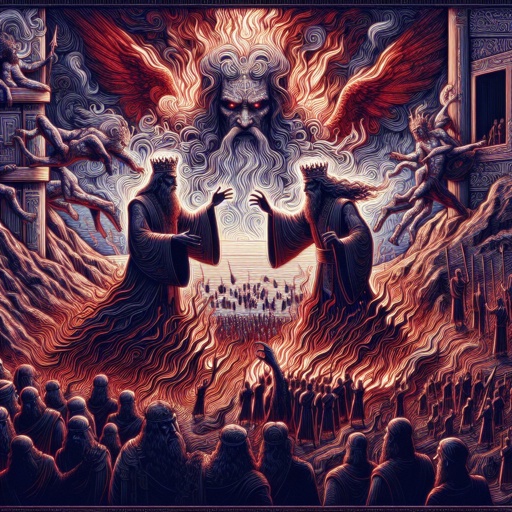
1 Kings 16:13 - "For all the sins of Baasha, and the sins of Elah his son, by which they sinned, and by which they made Israel to sin, in provoking the LORD God of Israel to anger with their vanities."
"For all the sins of Baasha, and the sins of Elah his son, by which they sinned, and by which they made Israel to sin, in provoking the LORD God of Israel to anger with their vanities." - 1 Kings 16:13

1 Kings 13:16 - "And he said, I may not return with thee, nor go in with thee: neither will I eat bread nor drink water with thee in this place:"

Proverbs 16:13 - "Righteous lips are the delight of kings; and they love him that speaketh right."

1 Samuel 16:1–13

revelation 1:13-16

1 Kings 11:13

1 Kings 11:13

Luke 16:1-13

Revelations 1:13-16

Luke 16:1-13

Luke 16:1-13

1 Kings 20:16 - "And they went out at noon. But Ben-hadad was drinking himself drunk in the pavilions, he and the kings, the thirty and two kings that helped him."

Mark 10:13–16

1 Kings 16:14 - "Now the rest of the acts of Elah, and all that he did, are they not written in the book of the chronicles of the kings of Israel?"

1 Kings 6:11-13

1 kings 11:11-13

1 Kings 11:11-13

1 Kings 1:16 - "And Bath-sheba bowed, and did obeisance unto the king. And the king said, What wouldest thou?"

1 Kings 4:16 - "Baanah the son of Hushai was in Asher and in Aloth:"

1 Kings 16:1 - "Then the word of the LORD came to Jehu the son of Hanani against Baasha, saying,"

2 Kings 16:13 - "And he burnt his burnt offering and his meat offering, and poured his drink offering, and sprinkled the blood of his peace offerings, upon the altar."

1 Kings 6:11-13

1 Kings 6:11-13

1 Kings 6:11-13

1 Kings 6:11-13

1 Kings 11:11-13

1 Kings 16:20 - "Now the rest of the acts of Zimri, and his treason that he wrought, are they not written in the book of the chronicles of the kings of Israel?"

1 Kings 16:5 - "Now the rest of the acts of Baasha, and what he did, and his might, are they not written in the book of the chronicles of the kings of Israel?"

1 Timothy 6:15-16 – "God, the blessed and only Ruler, the King of kings and Lord of lords."