What does 1 Kings 18:3 mean?
“And Ahab called Obadiah, which was the governor of his house. ( Now Obadiah feared the LORD greatly:” — 1 Kings 18:3
The verse 1 Kings 18:3 in the King James Version of the Bible reads, "And Ahab called Obadiah, which was the governor of his house. (Now Obadiah feared the Lord greatly)."
This verse comes from the Old Testament book of 1 Kings, which chronicles the life and reign of King Ahab of Israel. In this particular verse, Ahab, who was a notorious and wicked king, calls upon Obadiah, the governor of his house. The verse then makes a significant point of noting that Obadiah feared the Lord greatly.
In order to fully grasp the meaning and significance of this verse, it is important to understand the context in which it is set. The preceding chapters of 1 Kings reveal the ongoing conflict between Ahab and the prophet Elijah. Ahab had abandoned the worship of the one true God and instead embraced the worship of the idol Baal, leading the people of Israel astray. This disobedience to God's commandments and His rightful place as the only true God had resulted in a severe drought in the land.
In the midst of this spiritual and physical drought, Ahab calls upon Obadiah, who is described as the governor of his house. Despite serving a king who had turned away from God, the verse emphasizes that Obadiah still feared the Lord greatly. This contrast between Ahab's wickedness and Obadiah's fear of the Lord serves as a powerful reminder of the importance of remaining faithful to God, even in the midst of difficult and ungodly circumstances.
The inclusion of this specific detail about Obadiah's fear of the Lord also highlights the theme of remnant faithfulness. Throughout the Bible, there are accounts of individuals who remained faithful to God, even when the majority of the people around them had turned away. Obadiah is one such example, and his commitment to fearing the Lord in the midst of a spiritually compromised environment serves as an example for believers today.
The verse also serves as a reminder that fear of the Lord is the beginning of wisdom, as stated in Proverbs 9:10. Obadiah's fear of the Lord likely guided his actions and decisions, even in the midst of serving a wicked king. This fear of the Lord implies an awe, reverence, and obedience to God's commands, and it is a quality that all believers are encouraged to cultivate in their own lives.
The symbolism in this verse is also significant. Obadiah's fear of the Lord stands in stark contrast to Ahab's disregard for God's commands. It serves as a symbolic representation of the ongoing spiritual battle between faithfulness and disobedience, and the reminder that ultimately, God's sovereignty will prevail.
In conclusion, 1 Kings 18:3 is a powerful and meaningful verse that highlights the contrast between faithfulness and disobedience, and the importance of remaining faithful to God even in challenging circumstances. The inclusion of Obadiah's fear of the Lord serves as a reminder of the significance of remnant faithfulness and the foundational importance of fearing God. This verse continues to resonate with believers today, serving as a timeless and relevant reminder of the enduring importance of remaining faithful to God.
Get our apps


Artwork for 1 Kings 18:3

1 Kings 18:3 - "And Ahab called Obadiah, which was the governor of his house. (Now Obadiah feared the LORD greatly:"

"And Ahab called Obadiah, which was the governor of his house. (Now Obadiah feared the LORD greatly:" - 1 Kings 18:3

1 Kings 3:18 - "And it came to pass the third day after that I was delivered, that this woman was delivered also: and we were together; there was no stranger with us in the house, save we two in the house."

1 Kings 19:1-18

2 Kings 3:18 - "And this is but a light thing in the sight of the LORD: he will deliver the Moabites also into your hand."

1 Kings 4:18 - "Shimei the son of Elah, in Benjamin:"

1 Kings 9:18 - "And Baalath, and Tadmor in the wilderness, in the land,"

2 Kings 1:18 - "Now the rest of the acts of Ahaziah which he did, are they not written in the book of the chronicles of the kings of Israel?"

1 Kings 1:18 - "And now, behold, Adonijah reigneth; and now, my lord the king, thou knowest it not:"

2 Kings 18:3 - "And he did that which was right in the sight of the LORD, according to all that David his father did."

Lamentations 3:1-18

1 Kings 10:18 - "¶ Moreover the king made a great throne of ivory, and overlaid it with the best gold."

1 Kings 3:9

1 kings 3:15

1 Kings 2:18 - "And Bath-sheba said, Well; I will speak for thee unto the king."

1 kings 3:15

1 kings 3:12

Elijah in the scene 1 Kings 18:36–38

1 Kings 18:2 - "And Elijah went to shew himself unto Ahab. And there was a sore famine in Samaria."
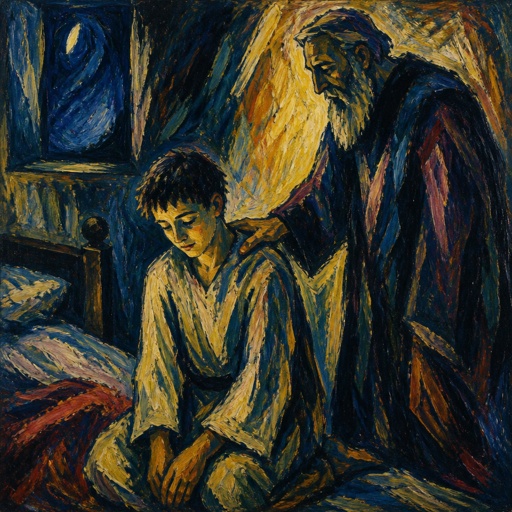
1 Samuel 3:17-18

1 Kings 18:35 - "And the water ran round about the altar; and he filled the trench also with water."

1 Kings 18:11 - "And now thou sayest, Go, tell thy lord, Behold, Elijah is here."

1 Kings 18:18 - "And he answered, I have not troubled Israel; but thou, and thy father's house, in that ye have forsaken the commandments of the LORD, and thou hast followed Baalim."

"Shimei the son of Elah, in Benjamin:" - 1 Kings 4:18

"And Baalath, and Tadmor in the wilderness, in the land," - 1 Kings 9:18

1 Kings 18:16 - "So Obadiah went to meet Ahab, and told him: and Ahab went to meet Elijah."

1 Kings 6:18 - "And the cedar of the house within was carved with knops and open flowers: all was cedar; there was no stone seen."

1 Kings 18:8 - "And he answered him, I am: go, tell thy lord, Behold, Elijah is here."

1 Chronicles 3:18 - "Malchiram also, and Pedaiah, and Shenazar, Jecamiah, Hoshama, and Nedabiah."

1 Kings 18:41 - "¶ And Elijah said unto Ahab, Get thee up, eat and drink; for there is a sound of abundance of rain."