What does 1 Kings 18:39 mean?
“And when all the people saw it, they fell on their faces: and they said, The LORD, he is the God; the LORD, he is the God.” — 1 Kings 18:39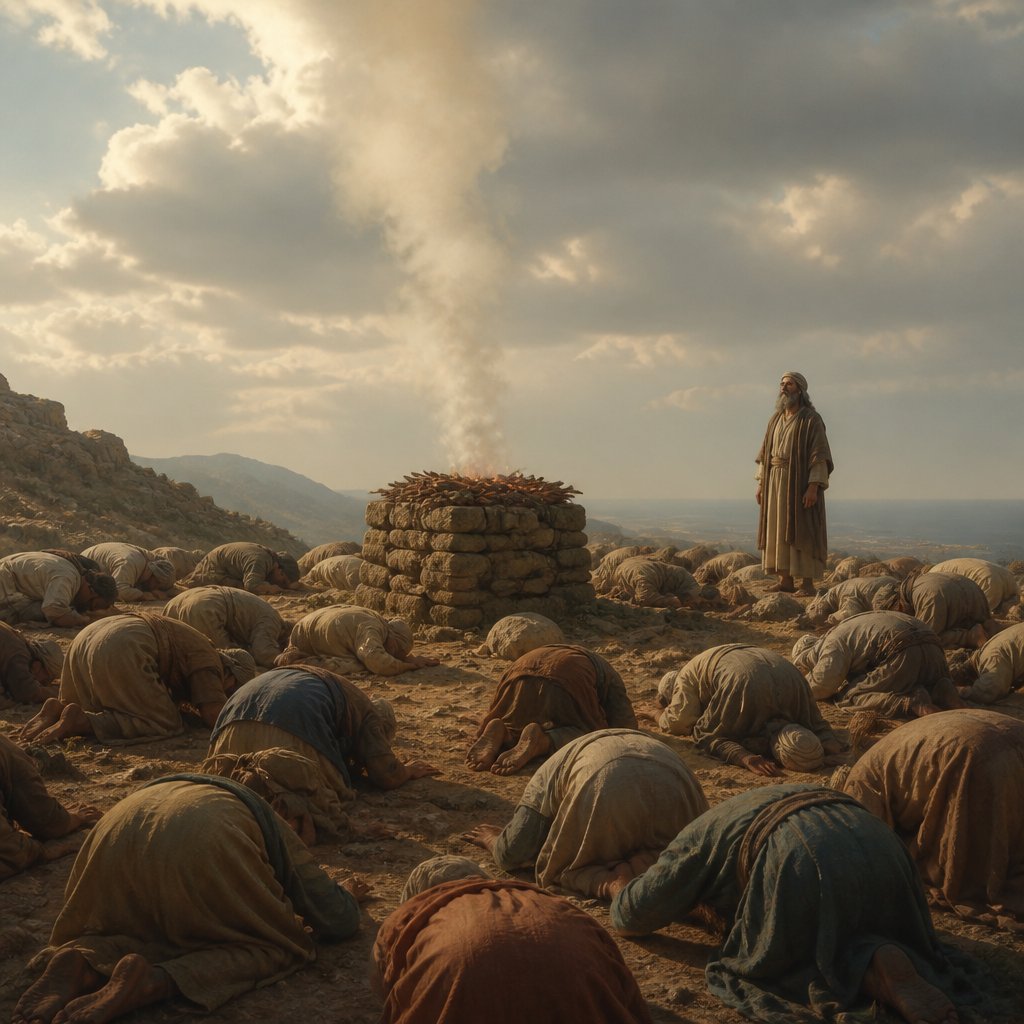
1 Kings 18:39 (KJV) "And when all the people saw it, they fell on their faces: and they said, The LORD, he is the God; the LORD, he is the God."
This powerful verse comes from the book of 1 Kings, which is a part of the historical books in the Old Testament of the Bible. The verse is part of the narrative of the prophet Elijah's confrontation with the prophets of Baal on Mount Carmel. This event is a significant and dramatic demonstration of the power and sovereignty of the one true God, Yahweh, over the false gods of the Canaanite religion.
The context of this verse is the culmination of a great contest between the prophet Elijah and the prophets of the false god Baal. King Ahab, who had turned away from the worship of Yahweh and led the people of Israel to worship Baal, was confronted by Elijah. Elijah challenged the prophets of Baal to a contest to see which god was truly powerful and could send fire from heaven to consume a sacrifice. The prophets of Baal failed to summon their god's power, while Elijah, through prayer to Yahweh, was able to call down fire from heaven to consume the sacrifice, even though it had been doused in water. This verse follows the consuming of the sacrifice by fire from heaven, and the people witnessing this miraculous event are moved to acknowledge the true God.
The theme of this verse is the exclusivity and sovereignty of God. The people's reaction to the consuming fire is one of awe and reverence. They fall on their faces in recognition of the power and presence of the one true God, Yahweh. This moment is a turning point for the people of Israel, as they are confronted with the evidence of Yahweh's power and are compelled to acknowledge him as the only God. The verse serves as a reminder of God's ultimate authority and the futility of worshiping false gods. It also reinforces the idea that true worship is in acknowledging and honoring God as the one and only true deity.
The symbolism in this verse is profound. The consuming fire from heaven represents the divine approval and acceptance of the true sacrifice, as well as the demonstration of God's power. It also serves as a sign of purification and renewal. The people falling on their faces symbolizes their humility and acknowledgement of God's supremacy. It signifies their submission to and reverence for God.
In a broader theological context, this verse also points to the exclusive claims of Yahweh as the one true God. Throughout the Bible, there is a consistent emphasis on the uniqueness and sovereignty of God. This verse serves as a powerful demonstration of this truth and affirms the foundational belief in monotheism within Judaism and Christianity.
In conclusion, 1 Kings 18:39 is a pivotal verse in the narrative of Elijah's confrontation with the prophets of Baal. It emphasizes the exclusive claims and sovereignty of God, as well as the transformative power of witnessing His miraculous acts. The verse serves as a reminder of the futility of worshiping false gods and the importance of acknowledging and revering the one true God. It stands as a powerful and enduring testament to the foundational beliefs of monotheism within the Judeo-Christian tradition.
Get our apps


Artwork for 1 Kings 18:39

1 Kings 18:39 - "And when all the people saw it, they fell on their faces: and they said, The LORD, he is the God; the LORD, he is the God."
"And when all the people saw it, they fell on their faces: and they said, The LORD, he is the God; the LORD, he is the God." - 1 Kings 18:39

1 Kings 11:39 - "And I will for this afflict the seed of David, but not for ever."

1 Kings 22:39 - "Now the rest of the acts of Ahab, and all that he did, and the ivory house which he made, and all the cities that he built, are they not written in the book of the chronicles of the kings of Israel?"

1 Kings 1:39 - "And Zadok the priest took an horn of oil out of the tabernacle, and anointed Solomon. And they blew the trumpet; and all the people said, God save king Solomon."

"And I will for this afflict the seed of David, but not for ever." - 1 Kings 11:39

1 Kings 19:1-18

1 Kings 3:9

1 Kings 4:18 - "Shimei the son of Elah, in Benjamin:"

1 Kings 9:18 - "And Baalath, and Tadmor in the wilderness, in the land,"

2 Kings 1:18 - "Now the rest of the acts of Ahaziah which he did, are they not written in the book of the chronicles of the kings of Israel?"

1 Kings 1:18 - "And now, behold, Adonijah reigneth; and now, my lord the king, thou knowest it not:"
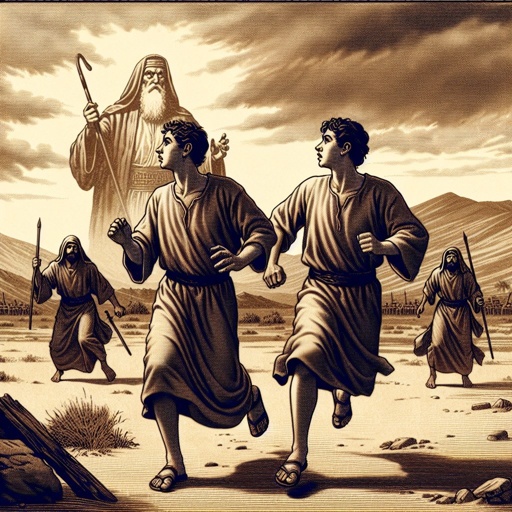
1 Kings 2:39 - "And it came to pass at the end of three years, that two of the servants of Shimei ran away unto Achish son of Maachah king of Gath. And they told Shimei, saying, Behold, thy servants be in Gath."
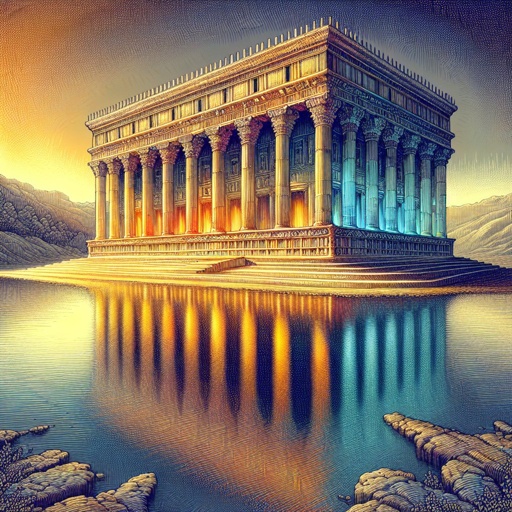
1 Kings 7:39 - "And he put five bases on the right side of the house, and five on the left side of the house: and he set the sea on the right side of the house eastward over against the south."

1 Kings 10:18 - "¶ Moreover the king made a great throne of ivory, and overlaid it with the best gold."

1 Kings 2:18 - "And Bath-sheba said, Well; I will speak for thee unto the king."

Elijah in the scene 1 Kings 18:36–38

1 Kings 18:2 - "And Elijah went to shew himself unto Ahab. And there was a sore famine in Samaria."

1 Kings 18:35 - "And the water ran round about the altar; and he filled the trench also with water."

1 Kings 18:11 - "And now thou sayest, Go, tell thy lord, Behold, Elijah is here."

1 Kings 18:18 - "And he answered, I have not troubled Israel; but thou, and thy father's house, in that ye have forsaken the commandments of the LORD, and thou hast followed Baalim."

"Shimei the son of Elah, in Benjamin:" - 1 Kings 4:18

"And Baalath, and Tadmor in the wilderness, in the land," - 1 Kings 9:18

1 Kings 8:39 - "Then hear thou in heaven thy dwelling place, and forgive, and do, and give to every man according to his ways, whose heart thou knowest; (for thou, even thou only, knowest the hearts of all the children of men;)"

1 Kings 18:16 - "So Obadiah went to meet Ahab, and told him: and Ahab went to meet Elijah."

1 Kings 6:18 - "And the cedar of the house within was carved with knops and open flowers: all was cedar; there was no stone seen."

Job 39:18 - "What time she lifteth up herself on high, she scorneth the horse and his rider."

1 Kings 18:8 - "And he answered him, I am: go, tell thy lord, Behold, Elijah is here."

1 Kings 18:41 - "¶ And Elijah said unto Ahab, Get thee up, eat and drink; for there is a sound of abundance of rain."

1 Kings 18:3 - "And Ahab called Obadiah, which was the governor of his house. (Now Obadiah feared the LORD greatly:"