What does 1 Kings 22:8 mean?
“And the king of Israel said unto Jehoshaphat, There is yet one man, Micaiah the son of Imlah, by whom we may enquire of the LORD: but I hate him; for he doth not prophesy good concerning me, but evil. And Jehoshaphat said, Let not the king say so.” — 1 Kings 22:8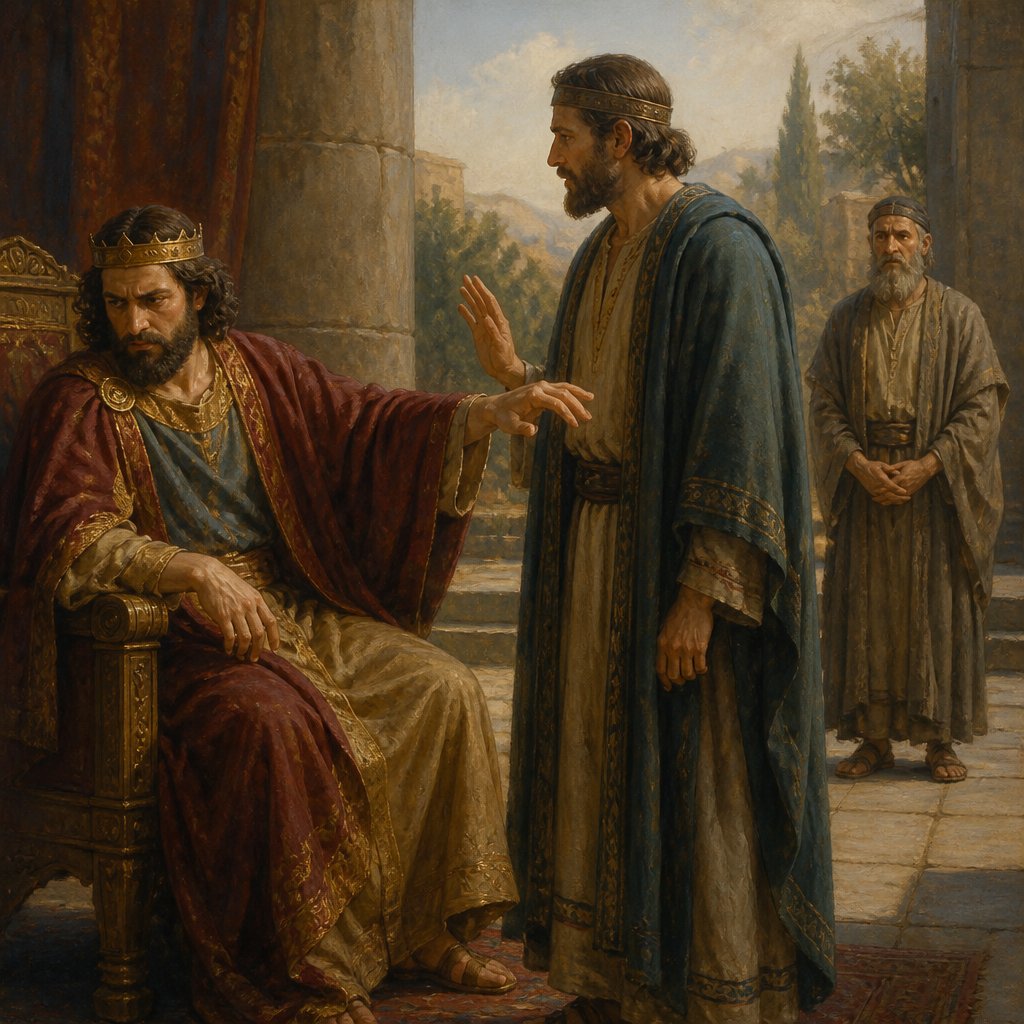
1 Kings 22:8 in the King James Version of the Bible states: "And the king of Israel said unto Jehoshaphat, There is yet one man, Micaiah the son of Imlah, by whom we may inquire of the Lord: but I hate him; for he doth not prophesy good concerning me, but evil. And Jehoshaphat said, Let not the king say so."
This verse is part of the biblical account of the reign of Ahab, the wicked king of Israel, and his alliance with Jehoshaphat, the king of Judah. The context of this verse surrounds the impending battle between Israel and Aram (Syria). Ahab sought the counsel of Jehoshaphat regarding whether they should go to battle against Ramoth-gilead. Jehoshaphat suggested inquiring the word from the Lord, and Ahab reluctantly agreed.
However, Ahab's attitude towards seeking God's counsel is revealed in his comment about Micaiah, a prophet who had spoken against him in the past. Ahab acknowledges that Micaiah is a true prophet, but he dislikes him because he does not prophesy favorably towards him. Ahab's decision to seek Micaiah's counsel despite his dislike for him shows his acknowledgment of Micaiah's prophetic gift and his desperation to hear what the Lord has to say, despite his personal feelings.
The themes that can be drawn from this verse include the importance of seeking and heeding God's counsel, the role of prophets in delivering messages from God, and the consequences of rejecting God's word for personal gain. Ahab's willingness to consult Micaiah indicates the recognition of the need for divine guidance in making decisions, even in the face of impending danger. However, his disdain for Micaiah reflects a stubborn refusal to accept the truth and his preference for hearing what he wants to hear rather than what he needs to hear.
The verse also brings to light the theme of the conflict between personal desires and God's will. Ahab's hatred towards Micaiah stems from the fact that the prophet's message contradicts his personal desires and ambitions. This reflects the human tendency to reject God's word when it goes against our own interests, and the consequences that come from prioritizing personal gain over obedience to God.
Furthermore, the verse highlights the role of prophets in delivering messages from God. Micaiah's reluctance to give a favorable prophecy illustrates the prophet's commitment to speaking the truth, even when it is unpopular or unwelcome. This serves as a reminder of the responsibility of God's messengers to faithfully convey His message, regardless of how it is received.
Symbolically, Ahab's attitude towards Micaiah can be seen as a representation of humanity's response to God's word. Ahab's dislike of Micaiah symbolizes the resistance and hostility that people often display towards God's truth when it goes against their own desires and agendas. Conversely, Jehoshaphat's response serves as a reminder of the importance of humility and openness to God's word, regardless of personal feelings or biases.
In conclusion, 1 Kings 22:8 provides valuable insights into the themes of seeking and heeding God's counsel, the role of prophets in delivering God's messages, and the consequences of rejecting God's word for personal gain. It serves as a reminder of the importance of humility and openness to God's truth, even when it contradicts our own desires, and the significance of faithfully delivering God's message, regardless of how it is received.
Get our apps


Artwork for 1 Kings 22:8

1 Kings 22:8 - "And the king of Israel said unto Jehoshaphat, There is yet one man, Micaiah the son of Imlah, by whom we may enquire of the LORD: but I hate him; for he doth not prophesy good concerning me, but evil. And Jehoshaphat said, Let not the king say so."
"And the king of Israel said unto Jehoshaphat, There is yet one man, Micaiah the son of Imlah, by whom we may enquire of the LORD: but I hate him; for he doth not prophesy good concerning me, but evil. And Jehoshaphat said, Let not the king say so." - 1 Kings 22:8

1 Kings 8:22

1 Kings 8:22 - "¶ And Solomon stood before the altar of the LORD in the presence of all the congregation of Israel, and spread forth his hands toward heaven:"

1 kings 22:19

1 Kings 22:47 - "There was then no king in Edom: a deputy was king."

1 Kings 8:6-8

1 Kings 22:44 - "And Jehoshaphat made peace with the king of Israel."

2 Kings 8:22 - "Yet Edom revolted from under the hand of Judah unto this day. Then Libnah revolted at the same time."

1 Kings 22:1 - "And they continued three years without war between Syria and Israel."

2 Kings 22:1 - "Josiah was eight years old when he began to reign, and he reigned thirty and one years in Jerusalem. And his mother's name was Jedidah, the daughter of Adaiah of Boscath."

1 Kings 1:22 - "¶ And, lo, while she yet talked with the king, Nathan the prophet also came in."

1 Chronicles 8:22 - "And Ishpan, and Heber, and Eliel,"

1 Kings 22:37 - "¶ So the king died, and was brought to Samaria; and they buried the king in Samaria."

1 Kings 8:10

1 kings 8:7

1 Kings 8:21

1 Kings 8:10
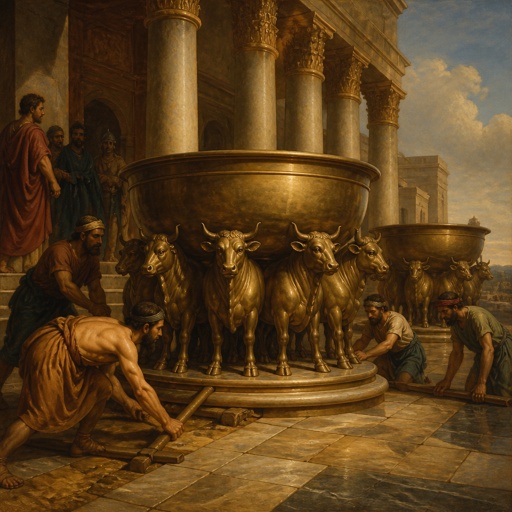
1 kings 7:8

1 Kings 8:10

1 Kings 8:21

1 Kings 8:21

1 Kings 8:10

1 kings 8:7

1 Kings 8:10

1 Kings 8:10

1 Kings 8:7

1 Kings 8:21

1 Kings 8:10
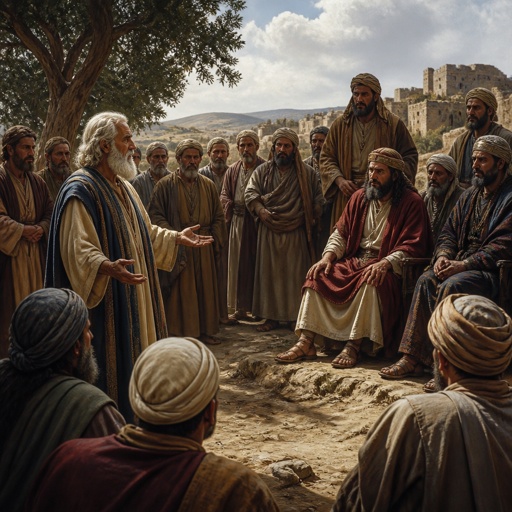
1 Samuel 8:19-22