What does 1 Kings 8:16 mean?
“Since the day that I brought forth my people Israel out of Egypt, I chose no city out of all the tribes of Israel to build an house, that my name might be therein; but I chose David to be over my people Israel.” — 1 Kings 8:16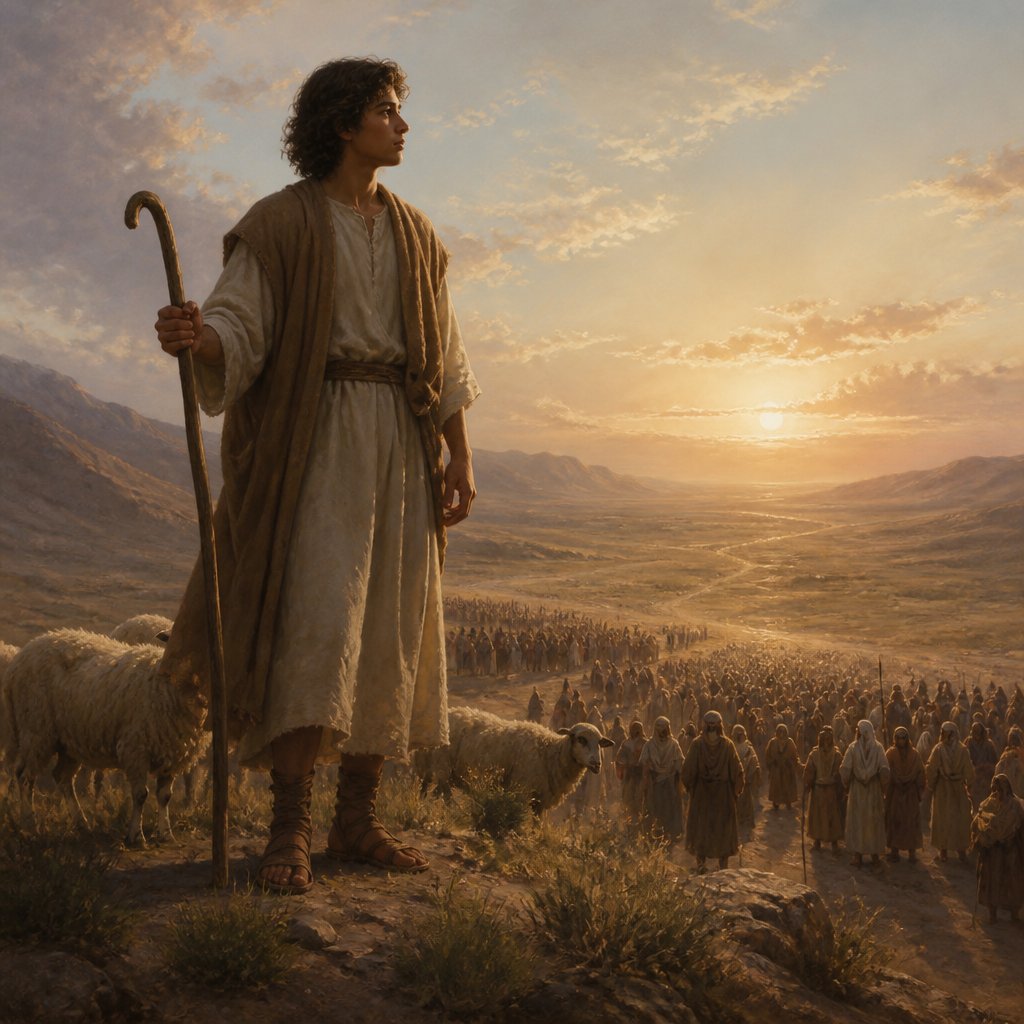
1 Kings 8:16 (KJV) reads: "Since the day that I brought forth my people Israel out of Egypt, I chose no city out of all the tribes of Israel to build an house, that my name might be therein; but I chose David to be over my people Israel."
This verse is a crucial component of the dedication of Solomon's Temple, where Solomon acknowledges the faithfulness of God throughout Israel's history. The verse has several key themes, including the faithfulness of God, His sovereignty, and His relationship with His chosen people.
The context of 1 Kings 8:16 is the prayer of Solomon during the dedication of the Temple. Solomon expresses gratitude for God's faithfulness to His promises and His people, highlighting Israel's deliverance from Egypt and the selection of David to lead His people. This verse reflects the special relationship that God has with the nation of Israel and His commitment to their well-being.
The verse begins with "Since the day that I brought forth my people Israel out of Egypt." This phrase establishes the historical context of God's faithfulness and sets the stage for the selection of David as king. It reminds the audience of the miraculous deliverance of the Israelites from slavery in Egypt through the leadership of Moses. This event is crucial to the identity of the Israelites as the chosen people of God and serves as a foundation for understanding His ongoing relationship with them.
The verse continues with the declaration, "I chose no city out of all the tribes of Israel to build an house." Here, God emphasizes His deliberate choice of David over any specific location for the construction of the Temple. This statement underscores God's sovereignty and His ability to fulfill His plans without being confined by human constraints. It also highlights the uniqueness and significance of David as the chosen leader for Israel, indicating that God's selection of David was a part of His larger plan for His people.
The verse concludes with the purpose behind God's choice, stating, "but I chose David to be over my people Israel." This affirmation reaffirms the divine selection of David as the ruler of Israel and underscores God's involvement in establishing the leadership of His people. It also brings attention to the personal relationship between God and His people, demonstrating His continued commitment to their well-being and the fulfillment of His promises.
Symbolically, 1 Kings 8:16 represents the faithfulness of God in keeping His promises to His chosen people. It highlights His authority and sovereignty in the midst of human affairs, as well as His personal involvement in the leadership and guidance of His people. The verse also emphasizes the significance of David, who serves as a foreshadowing of the coming Messiah, Jesus Christ, who would establish an eternal kingdom for God's people.
In conclusion, 1 Kings 8:16 showcases the faithfulness and sovereignty of God in His relationship with His chosen people. It underscores the historical significance of Israel's deliverance from Egypt and the selection of David as a key figure in God's plan for His people. This verse serves as a reminder of God's continued involvement in the lives of His people and His commitment to fulfilling His promises.
Get our apps


Artwork for 1 Kings 8:16

1 Kings 8:16 - "Since the day that I brought forth my people Israel out of Egypt, I chose no city out of all the tribes of Israel to build an house, that my name might be therein; but I chose David to be over my people Israel."
"Since the day that I brought forth my people Israel out of Egypt, I chose no city out of all the tribes of Israel to build an house, that my name might be therein; but I chose David to be over my people Israel." - 1 Kings 8:16

1 Kings 16:8 - "¶ In the twenty and sixth year of Asa king of Judah began Elah the son of Baasha to reign over Israel in Tirzah, two years."

Soothing the Soul: The Gospel of Gentle Care 1 Kings 19:3-8; 1 Samuel 16:14-23

Soothing the Soul: The Gospel of Gentle Care 1 Kings 19:3-8; 1 Samuel 16:14-23

1 Kings 8:6-8

1 Kings 8:10

1 Kings 8:21

1 Kings 8:10

1 Kings 8:10

1 Kings 8:21

1 kings 8:7

1 Kings 8:7

1 Kings 8:10

1 Kings 8:21

1 Kings 8:10

2 Kings 16:8 - "And Ahaz took the silver and gold that was found in the house of the LORD, and in the treasures of the king's house, and sent it for a present to the king of Assyria."

1 Kings 8:10

1 kings 8:7

1 Kings 8:22

1 Kings 8:21

1 Kings 8:10

2 Kings 8:16 - "¶ And in the fifth year of Joram the son of Ahab king of Israel, Jehoshaphat being then king of Judah, Jehoram the son of Jehoshaphat king of Judah began to reign."
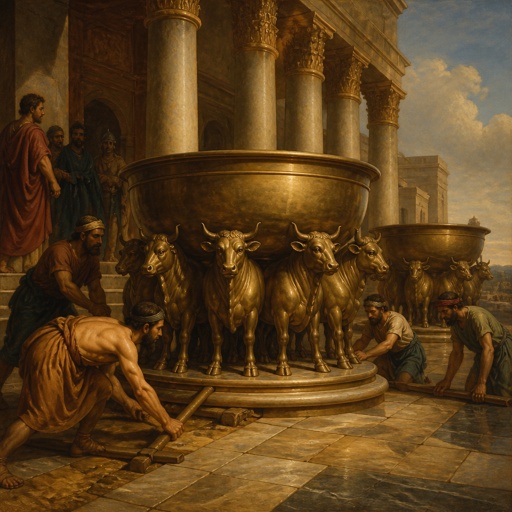
1 kings 7:8

1 Kings 20:16 - "And they went out at noon. But Ben-hadad was drinking himself drunk in the pavilions, he and the kings, the thirty and two kings that helped him."

1 Kings 16:14 - "Now the rest of the acts of Elah, and all that he did, are they not written in the book of the chronicles of the kings of Israel?"

1 Kings 1:16 - "And Bath-sheba bowed, and did obeisance unto the king. And the king said, What wouldest thou?"

1 Kings 4:16 - "Baanah the son of Hushai was in Asher and in Aloth:"

1 Kings 16:1 - "Then the word of the LORD came to Jehu the son of Hanani against Baasha, saying,"

1 Kings 16:20 - "Now the rest of the acts of Zimri, and his treason that he wrought, are they not written in the book of the chronicles of the kings of Israel?"