What does 1 Kings 8:28 mean?
“Yet have thou respect unto the prayer of thy servant, and to his supplication, O LORD my God, to hearken unto the cry and to the prayer, which thy servant prayeth before thee to day:” — 1 Kings 8:28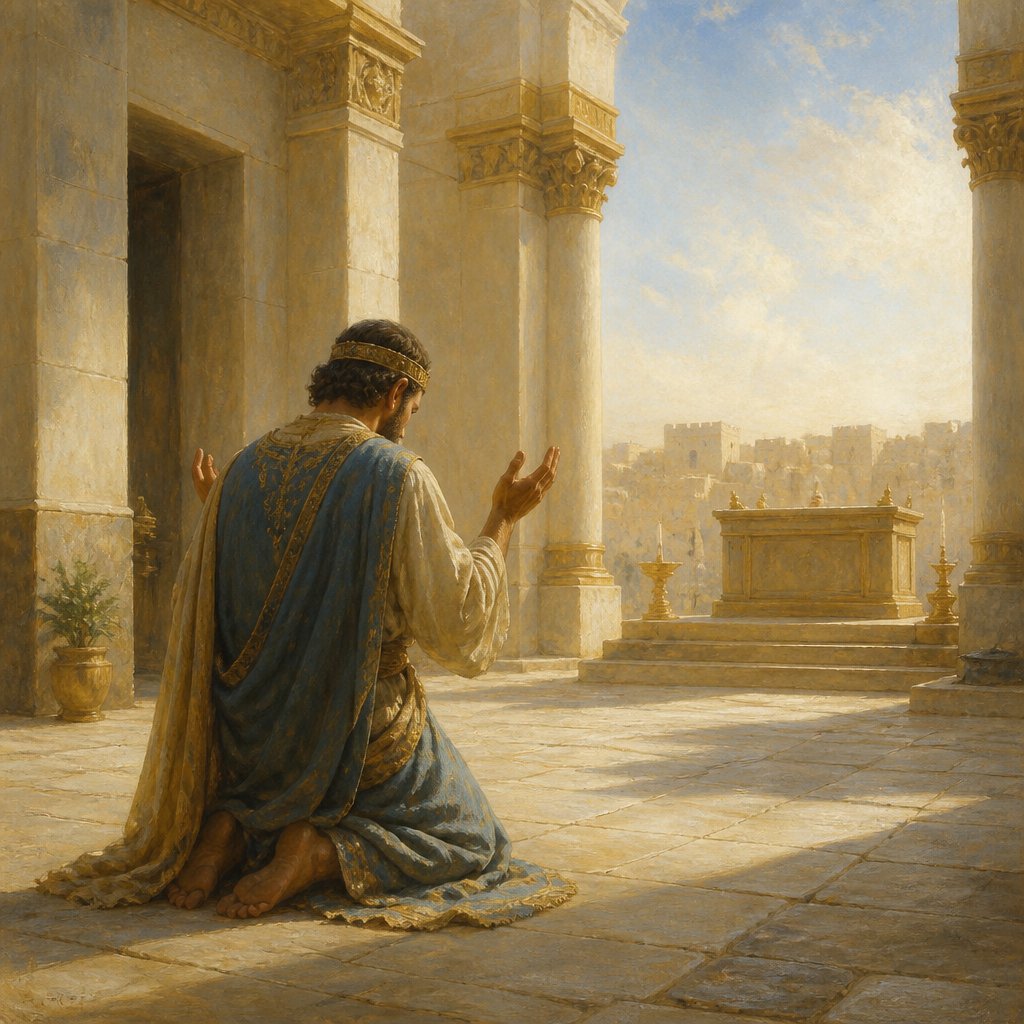
1 Kings 8:28 (KJV) reads, "Yet have thou respect unto the prayer of thy servant, and to his supplication, O Lord my God, to hearken unto the cry and to the prayer, which thy servant prayeth before thee today."
This verse is part of the prayer that King Solomon offered at the dedication of the Temple in Jerusalem. The context of this verse is the completion and dedication of the Temple, a momentous occasion in Israel's history. King Solomon, the son of David, had fulfilled his father's dream to build a permanent house for the Lord. The dedication of the Temple was marked by great pomp and ceremony, and Solomon's prayer was a central part of the day's events.
The prayer begins with praise and adoration for God's faithfulness and the fulfillment of His promise to David. Solomon acknowledges God's greatness and his unworthiness to build such a magnificent dwelling place for the Lord. He then requests that God hear and heed the prayers and supplications of His people when they pray towards the Temple. This verse specifically asks God to have respect for the prayers of His servant and to listen to their cries and supplications.
This prayer has several important themes, including the power and importance of prayer, God's faithfulness and responsiveness to His people, and the humility and reverence of the worshipper. The act of prayer is a central theme throughout the Bible, and this verse underscores the belief that God hears and responds to the petitions of His people. It also emphasizes the role of the individual as a servant of God, seeking to communicate with and seek guidance from their Creator.
The context of this verse within the dedication of the Temple adds a layer of significance to Solomon's plea. The Temple was the physical representation of God's presence among His people, and Solomon's prayer reflects the deep desire for God to be near to His people and to hear and answer their prayers. The Temple was meant to be a place of worship, sacrifice, and prayer, and Solomon's prayer sets the tone for the ongoing relationship between God and His people in this sacred space.
The symbolism in this verse lies in the role of the Temple as a meeting place between God and humanity. The act of praying towards the Temple symbolizes the people's desire to be in communion with God and to seek His favor and guidance. The act of supplication and crying out to God reflects the belief in His mercy and compassion, and the request for God to "hearken" unto the prayers demonstrates the faith that He will indeed listen and respond.
Overall, 1 Kings 8:28 is a poignant and powerful plea for God's attention and grace. It encapsulates the themes of prayer, reverence, and the desire for a close relationship with God, and it highlights the significance of the Temple as a place of worship and communication with the divine. This verse continues to resonate with believers today as a reminder of the importance of prayer and the trust in God's responsiveness to the cries of His people.
Get our apps


Artwork for 1 Kings 8:28

1 Kings 8:28 - "Yet have thou respect unto the prayer of thy servant, and to his supplication, O LORD my God, to hearken unto the cry and to the prayer, which thy servant prayeth before thee to day:"
"Yet have thou respect unto the prayer of thy servant, and to his supplication, O LORD my God, to hearken unto the cry and to the prayer, which thy servant prayeth before thee to day:" - 1 Kings 8:28

Romans 8:28

Romans 8:28

1 Kings 6:28 - "And he overlaid the cherubims with gold."

2 Kings 8:28 - "¶ And he went with Joram the son of Ahab to the war against Hazael king of Syria in Ramoth-gilead; and the Syrians wounded Joram."

1 Kings 21:28 - "And the word of the LORD came to Elijah the Tishbite, saying,"

1 Kings 1:28 - "¶ Then king David answered and said, Call me Bath-sheba. And she came into the king's presence, and stood before the king."

1 Kings 8:6-8

1 Kings 8:10

1 Kings 8:21

1 Kings 8:21

1 Kings 8:10

1 kings 8:7

1 Kings 8:10

1 Kings 8:10

1 Kings 8:7

1 Kings 8:21

1 Kings 8:10

1 Kings 8:10

1 kings 8:7

1 Kings 8:22

1 Kings 8:21

1 Kings 8:10

1 Kings 7:28 - "And the work of the bases was on this manner: they had borders, and the borders were between the ledges:"
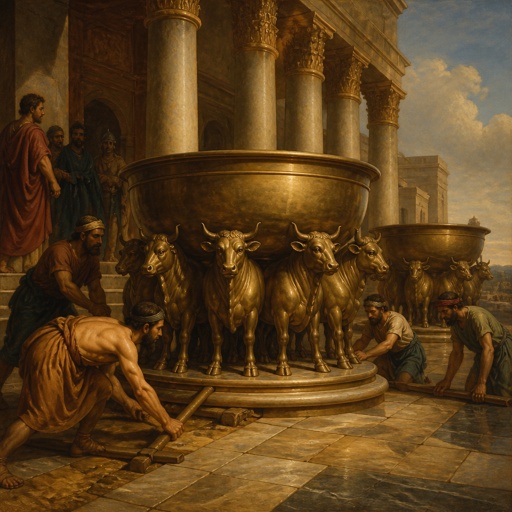
1 kings 7:8

1 Chronicles 8:28 - "These were heads of the fathers, by their generations, chief men. These dwelt in Jerusalem."

"And he overlaid the cherubims with gold." - 1 Kings 6:28

1 Kings 15:28 - "Even in the third year of Asa king of Judah did Baasha slay him, and reigned in his stead."

1 Kings 9:28 - "And they came to Ophir, and fetched from thence gold, four hundred and twenty talents, and brought it to king Solomon."