What does 1 Kings 9:16 mean?
“For Pharaoh king of Egypt had gone up, and taken Gezer, and burnt it with fire, and slain the Canaanites that dwelt in the city, and given it for a present unto his daughter, Solomon’s wife.” — 1 Kings 9:16
1 Kings 9:16 (KJV) states, "For Pharaoh king of Egypt had gone up, and taken Gezer, and burnt it with fire, and slain the Canaanites that dwelt in the city, and given it for a present unto his daughter, Solomon's wife."
This verse is found in the Old Testament and is part of the historical narrative of the reign of King Solomon, the son of King David. The verse is part of a larger passage that describes the various projects and activities that Solomon undertook during his reign, including the construction of the temple in Jerusalem and other buildings and cities. In this particular verse, the focus is on the political and military events in the region, particularly the actions of Pharaoh, the king of Egypt, in relation to the city of Gezer.
The verse begins by stating, "For Pharaoh king of Egypt had gone up, and taken Gezer." This sets the stage for the events that the verse describes. Gezer was a city located in the lowlands of Canaan, an area that was strategically important due to its proximity to trade routes and its agricultural resources. The city was also a key point of contention between the competing powers in the region, including Egypt, Israel, and the various Canaanite city-states.
The verse goes on to describe how Pharaoh not only captured Gezer but also "burnt it with fire, and slain the Canaanites that dwelt in the city." This was a common practice in ancient warfare, where the conqueror would raze a city to the ground and kill or enslave its inhabitants as a means of asserting dominance and control. The destruction of Gezer would have had a significant impact on the region, both in terms of its strategic importance and the lives and livelihoods of its people.
After describing Pharaoh's actions, the verse notes that he "given it for a present unto his daughter, Solomon's wife." This presents a complex and layered political and personal dynamic. On the one hand, it demonstrates the power and prestige of Pharaoh, who is able to bestow a conquered city as a gift to his daughter. On the other hand, it also shows the diplomatic and marital ties between Egypt and Israel, as Solomon's wife is the recipient of this gift. The verse thus provides a glimpse into the intricate web of alliances, rivalries, and power dynamics that characterized the ancient Near East.
In terms of themes, this verse touches on several important themes that recur throughout the Old Testament. One of these themes is the recurring conflict and competition between the various powers in the region, including Egypt, Israel, and the Canaanite city-states. This reflects the geopolitical realities of the ancient Near East, where different kingdoms and empires vied for control of territory, resources, and influence.
Another theme is the role of diplomacy and intermarriage in ancient politics. The fact that Pharaoh gives Gezer to his daughter, who is married to Solomon, underscores the interplay between personal relationships and statecraft in the ancient world. This theme also highlights the complex and often ambiguous nature of alliances and allegiances in a world where loyalty and betrayal were often intertwined.
In terms of symbolism, this verse can be seen as a metaphor for the larger themes of power, conquest, and the shifting fortunes of nations. The destruction of Gezer and its subsequent bestowal as a gift symbolize the brutal realities of war and the exercise of imperial power. It also serves as a reminder of the ephemeral nature of human achievements and the transience of earthly kingdoms and empires.
In conclusion, 1 Kings 9:16 (KJV) is a rich and multi-layered verse that provides a window into the political, military, and personal dynamics of the ancient Near East. It illuminates the complex interplay of power, diplomacy, and human relationships, as well as the broader themes of conflict, conquest, and the fleeting nature of earthly power. As such, it not only contributes to our understanding of the historical events of the time but also offers timeless insights into the complexities of human nature and the enduring realities of power and politics.
Get our apps


Artwork for 1 Kings 9:16

1 Kings 9:16 - "For Pharaoh king of Egypt had gone up, and taken Gezer, and burnt it with fire, and slain the Canaanites that dwelt in the city, and given it for a present unto his daughter, Solomon's wife."

1 Kings 9:16 (KJVA) 16 For Pharaoh king of Egypt had gone up, and taken Gezer, and burnt it with fire, and slain the Canaanites that dwelt in the city, and given it for a present unto his daughter, Solomon's wife.

1 Kings 9:16 (KJVA) 16 For Pharaoh king of Egypt had gone up, and taken Gezer, and burnt it with fire, and slain the Canaanites that dwelt in the city, and given it for a present unto his daughter, Solomon's wife.

"For Pharaoh king of Egypt had gone up, and taken Gezer, and burnt it with fire, and slain the Canaanites that dwelt in the city, and given it for a present unto his daughter, Solomon's wife." - 1 Kings 9:16

1 Kings 16:9 - "And his servant Zimri, captain of half his chariots, conspired against him, as he was in Tirzah, drinking himself drunk in the house of Arza steward of his house in Tirzah."

2 Kings 9:16 - "So Jehu rode in a chariot, and went to Jezreel; for Joram lay there. And Ahaziah king of Judah was come down to see Joram."

1 Kings 3:9

1 Kings 20:16 - "And they went out at noon. But Ben-hadad was drinking himself drunk in the pavilions, he and the kings, the thirty and two kings that helped him."

1 Kings 16:14 - "Now the rest of the acts of Elah, and all that he did, are they not written in the book of the chronicles of the kings of Israel?"

1 Kings 1:16 - "And Bath-sheba bowed, and did obeisance unto the king. And the king said, What wouldest thou?"

1 Kings 4:16 - "Baanah the son of Hushai was in Asher and in Aloth:"

1 Kings 16:1 - "Then the word of the LORD came to Jehu the son of Hanani against Baasha, saying,"

1 Kings 16:20 - "Now the rest of the acts of Zimri, and his treason that he wrought, are they not written in the book of the chronicles of the kings of Israel?"

1 Kings 16:5 - "Now the rest of the acts of Baasha, and what he did, and his might, are they not written in the book of the chronicles of the kings of Israel?"

1 Timothy 6:15-16 – "God, the blessed and only Ruler, the King of kings and Lord of lords."

1 Timothy 6:15-16 – "God, the blessed and only Ruler, the King of kings and Lord of lords."
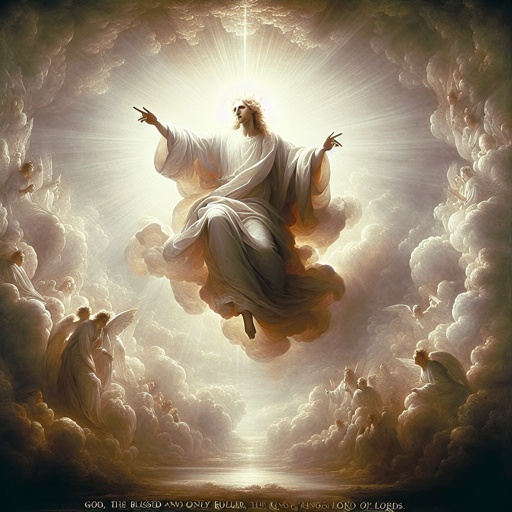
1 Timothy 6:15-16 – "God, the blessed and only Ruler, the King of kings and Lord of lords."

1 Kings 9:18 - "And Baalath, and Tadmor in the wilderness, in the land,"

2 Kings 16:9 - "And the king of Assyria hearkened unto him: for the king of Assyria went up against Damascus, and took it, and carried the people of it captive to Kir, and slew Rezin."

1 Kings 9:14 - "And Hiram sent to the king sixscore talents of gold."

1 Timothy 6:15-16 – "God, the blessed and only Ruler, the King of kings and Lord of lords."

1 Kings 15:16 - "¶ And there was war between Asa and Baasha king of Israel all their days."

1 Timothy 6:15-16 – "God, the blessed and only Ruler, the King of kings and Lord of lords."

1 Kings 9:17 - "And Solomon built Gezer, and Beth-horon the nether,"

1 Kings 3:16 - "¶ Then came there two women, that were harlots, unto the king, and stood before him."

1 Kings 16:27 - "Now the rest of the acts of Omri which he did, and his might that he shewed, are they not written in the book of the chronicles of the kings of Israel?"

1 Kings 16:33 - "And Ahab made a grove; and Ahab did more to provoke the LORD God of Israel to anger than all the kings of Israel that were before him."

1 Kings 15:9 - "¶ And in the twentieth year of Jeroboam king of Israel reigned Asa over Judah."

2 Kings 16:1 - "In the seventeenth year of Pekah the son of Remaliah Ahaz the son of Jotham king of Judah began to reign."

1 Kings 22:9 - "Then the king of Israel called an officer, and said, Hasten hither Micaiah the son of Imlah."