What does 1 Samuel 10:14 mean?
“And Saul’s uncle said unto him and to his servant, Whither went ye? And he said, To seek the asses: and when we saw that they were no where, we came to Samuel.” — 1 Samuel 10:14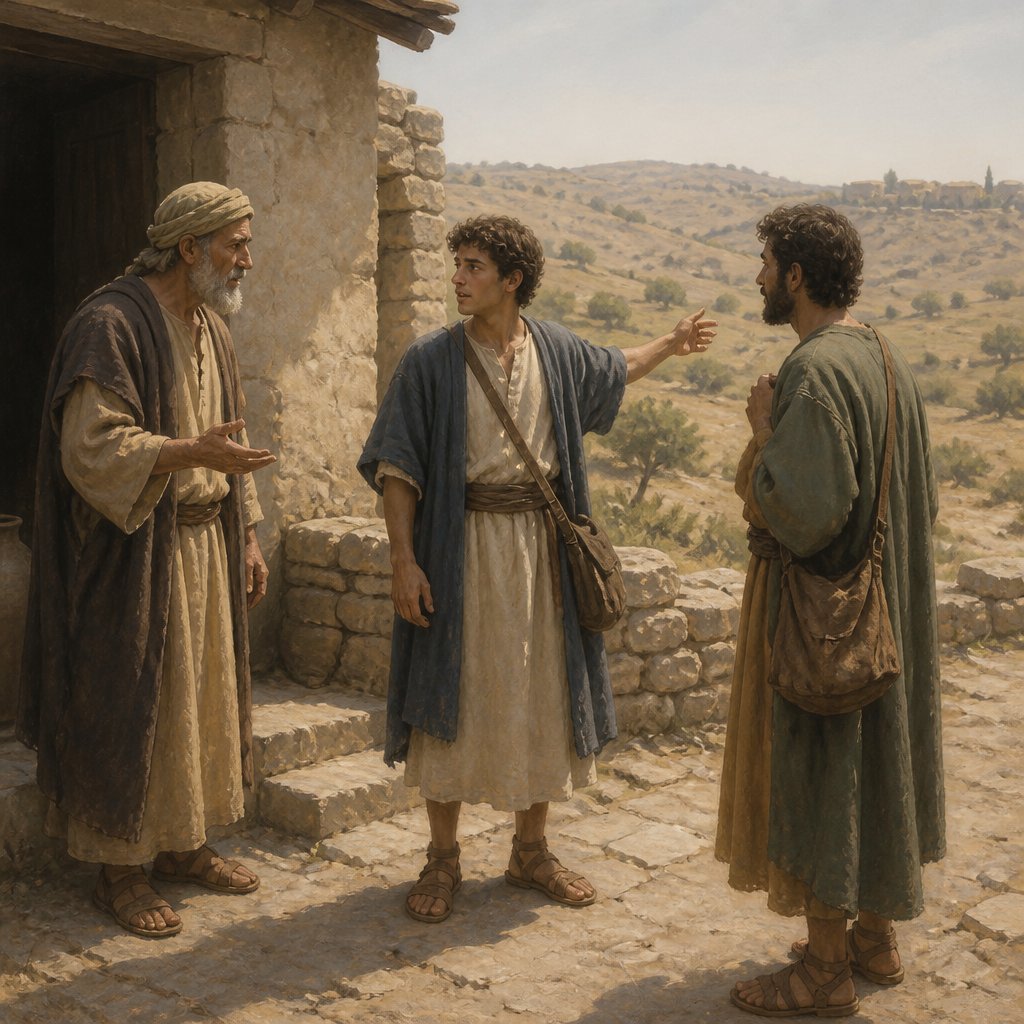
The verse 1 Samuel 10:14 from the King James Version of the Bible reads:
"And Saul's uncle said unto him and to his servant, Whither went ye? And he said, To seek the asses: and when we saw that they were no where, we came to Samuel."
This verse comes from the Old Testament, specifically from the book of 1 Samuel. It is part of the narrative of the anointing of Saul as the first king of Israel. In this scene, Saul's uncle is asking him and his servant where they have been. The answer given by Saul is that they have been seeking their lost donkeys, and in the process, they came to the prophet Samuel.
The context of this verse is important to understand its significance within the larger biblical narrative. The Israelites, at this time, were in need of a king to lead and govern them. The people had been pressuring the prophet Samuel to appoint a king, so that they could be like the other nations around them. In response, God directs Samuel to anoint Saul as the first king of Israel. This act marks a significant shift in the governance of the Israelite people, moving from a system of judges to a monarchy.
The theme of obedience and divine appointment is evident in this verse. Saul is following his uncle's instructions to seek the lost donkeys, and in doing so, he ends up meeting Samuel, the appointed prophet of God. This meeting ultimately leads to Saul being anointed as king. The verse emphasizes the idea that through obedience and following the path set before us, we can encounter God's divine appointments for our lives.
The symbolism in this verse is also noteworthy. The lost donkeys can be seen as a metaphor for the lost state of the Israelite people at that time. They were in need of a leader to guide them and bring them together. Saul's search for the donkeys leads him to Samuel, just as the people's need for a leader leads them to Saul and ultimately to God's chosen king. The donkeys can also symbolize the humility and meekness of Saul, as he is not seeking power or prestige, but rather obeying a simple task given to him.
Furthermore, the mention of Saul's uncle in this verse serves as a reminder of the importance of familial relationships and guidance. It suggests that our family members can often play a role in directing us towards our divine appointments and destinies.
The verse 1 Samuel 10:14 ultimately sets the stage for the anointing of Saul as the first king of Israel and underscores the themes of obedience, divine appointment, and the guiding hand of God in the lives of His people. It serves as a reminder that even in our mundane tasks and daily activities, we may encounter unexpected and transformative moments that can shape our destinies.
Get our apps


Artwork for 1 Samuel 10:14

1 Samuel 10:14 - "¶ And Saul's uncle said unto him and to his servant, Whither went ye? And he said, To seek the asses: and when we saw that they were no where, we came to Samuel."
"¶ And Saul's uncle said unto him and to his servant, Whither went ye? And he said, To seek the asses: and when we saw that they were no where, we came to Samuel." - 1 Samuel 10:14

1 Samuel 10:1 Samuel anoniting Saul
1 Samuel 14:10 - "But if they say thus, Come up unto us; then we will go up: for the LORD hath delivered them into our hand: and this shall be a sign unto us."

1 Samuel 14:6

1 Samuel 15:10 - "¶ Then came the word of the LORD unto Samuel, saying,"

1 Samuel 10:17 - "¶ And Samuel called the people together unto the LORD to Mizpeh;"

1 Samuel 3:10 - "And the LORD came, and stood, and called as at other times, Samuel, Samuel. Then Samuel answered, Speak; for thy servant heareth."

1 Samuel 3:1-10

1 Samuel 14:27
1 Samuel 13:14

2 Samuel 6:14

1 Samuel 14:7

1 Samuel 11:14 - "Then said Samuel to the people, Come, and let us go to Gilgal, and renew the kingdom there."

1 Samuel 8:10 - "¶ And Samuel told all the words of the LORD unto the people that asked of him a king."
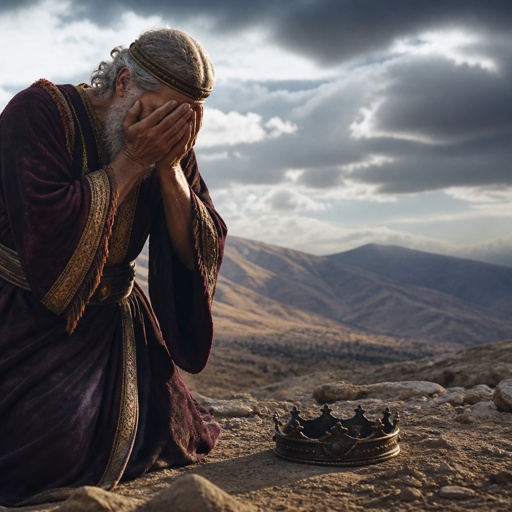
1 Samuel 13:13-14

1 Samuel 17:14 - "And David was the youngest: and the three eldest followed Saul."
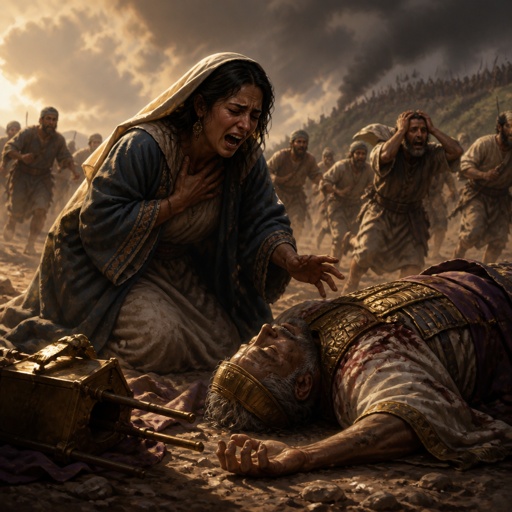
1 Samuel 4:14-16

1 Samuel 16:10 - "Again, Jesse made seven of his sons to pass before Samuel. And Samuel said unto Jesse, The LORD hath not chosen these."

1 Samuel 15:14 - "And Samuel said, What meaneth then this bleating of the sheep in mine ears, and the lowing of the oxen which I hear?"
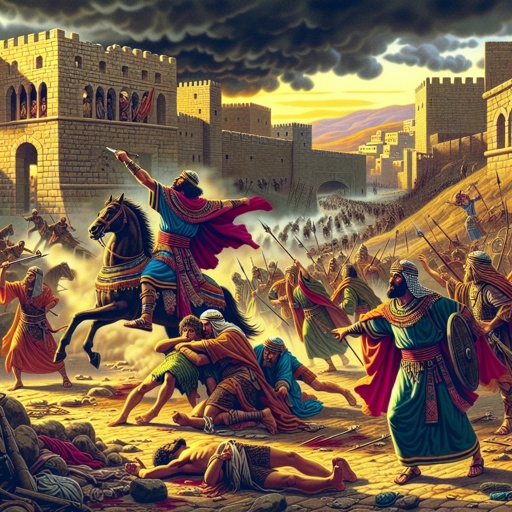
2 Samuel 10:14 - "And when the children of Ammon saw that the Syrians were fled, then fled they also before Abishai, and entered into the city. So Joab returned from the children of Ammon, and came to Jerusalem."

1 Samuel 10:20 - "And when Samuel had caused all the tribes of Israel to come near, the tribe of Benjamin was taken."

1 Samuel 1:10 - "And she was in bitterness of soul, and prayed unto the LORD, and wept sore."

1 Samuel 21:10-15

2 Samuel 14:10 - "And the king said, Whosoever saith ought unto thee, bring him to me, and he shall not touch thee any more."

1 Samuel 10:15 - "And Saul's uncle said, Tell me, I pray thee, what Samuel said unto you."

1 Samuel 14:51 - "And Kish was the father of Saul; and Ner the father of Abner was the son of Abiel."

1 Samuel 14:25 - "And all they of the land came to a wood; and there was honey upon the ground."

1 Samuel 10:1 - "Then Samuel took a vial of oil, and poured it upon his head, and kissed him, and said, Is it not because the LORD hath anointed thee to be captain over his inheritance?"

Genesis 1:10-14