What does 1 Samuel 12:3 mean?
“Behold, here I am: witness against me before the LORD, and before his anointed: whose ox have I taken? or whose ass have I taken? or whom have I defrauded? whom have I oppressed? or of whose hand have I received any bribe to blind mine eyes therewith? and I will restore it you.” — 1 Samuel 12:3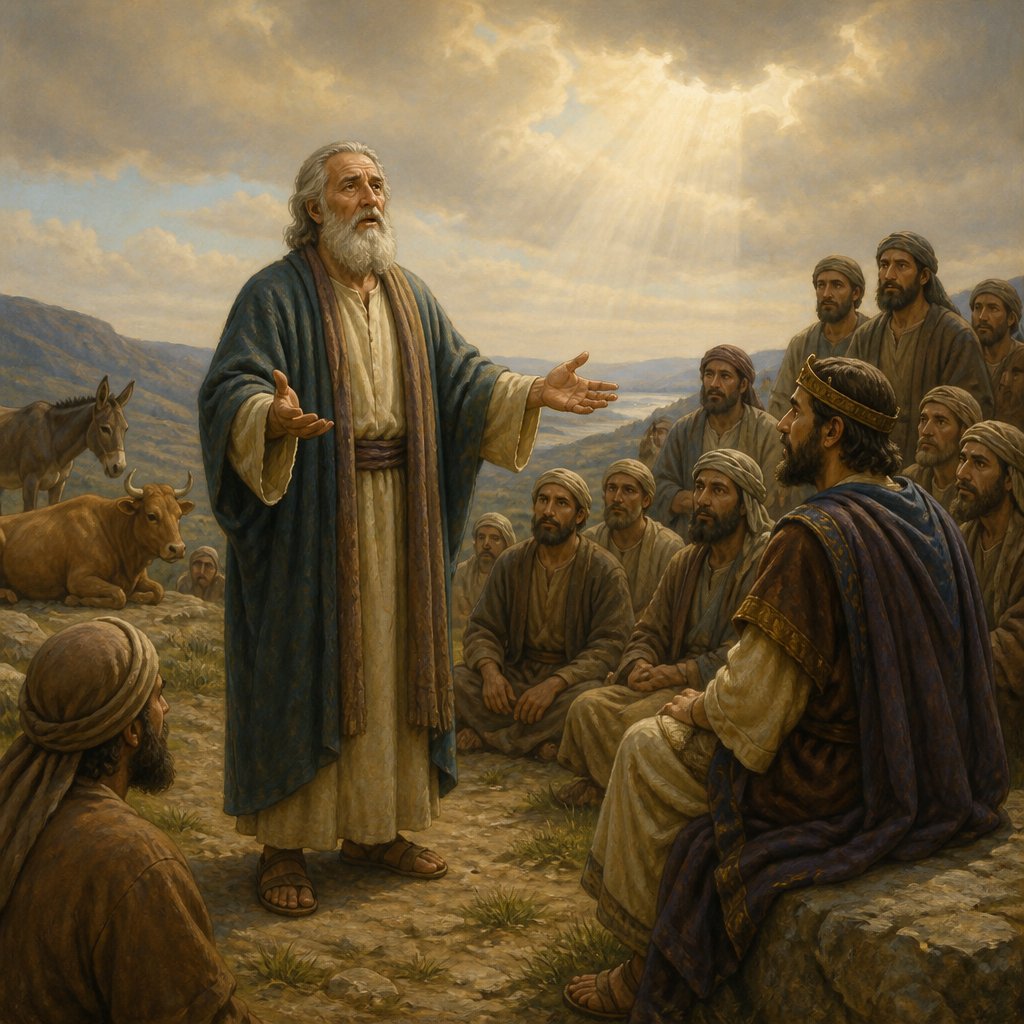
The verse 1 Samuel 12:3 from the King James Version (KJV) of the Bible reads, "Behold, here I am: witness against me before the Lord, and before his anointed: whose ox have I taken? or whose ass have I taken? or whom have I defrauded? whom have I oppressed? or of whose hand have I received any bribe to blind mine eyes therewith? and I will restore it you."
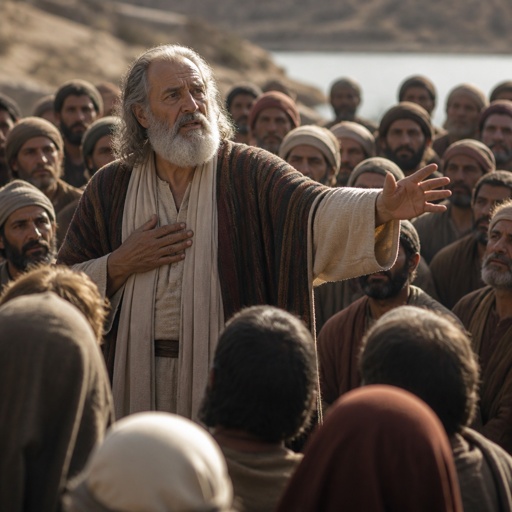
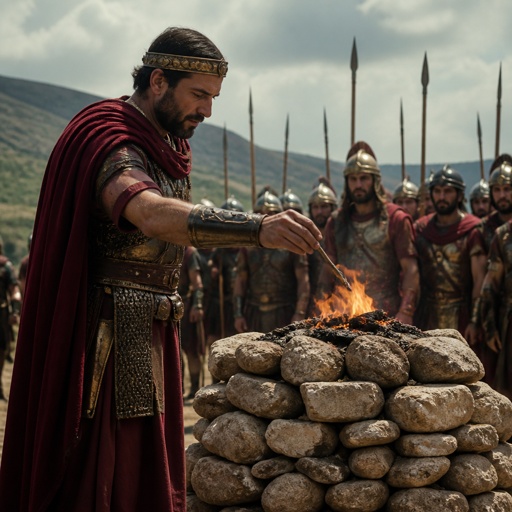
This verse is a part of Samuel's farewell speech to the people of Israel as he prepares to step down as their leader. He addresses the people in order to clear his name of any wrongdoing and to emphasize that he has been an honest and just leader. The verse is filled with themes of integrity, justice, and accountability, and it serves as a testament to Samuel's character and leadership.
The context of this verse is crucial for understanding its significance. Samuel had been a significant figure in the history of Israel, serving as both a judge and a prophet. He had played a pivotal role in transitioning Israel from a loose confederation of tribes to a unified monarchy under the leadership of King Saul. As he nears the end of his life, Samuel takes the opportunity to address the people and ensure that they understand his commitment to righteousness and fairness.
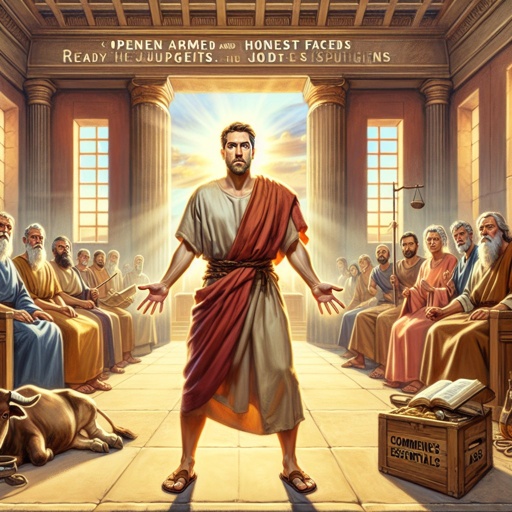
In this verse, Samuel challenges the people to bring forth any evidence of wrongdoing on his part. He asks them if he has taken anyone's ox or donkey, defrauded anyone, oppressed anyone, or accepted any bribes. By posing these questions, Samuel is essentially asking the people to bear witness to his innocence and integrity as a leader. This demonstrates his commitment to transparency and accountability, qualities that are essential for good governance.
The symbolism in this verse is profound. The mention of an ox and a donkey symbolizes the people's livelihood and possessions. By asking if he has taken anyone's ox or donkey, Samuel is asserting that he has not abused his power for personal gain or greed. Similarly, the mention of oppression and fraud reflects Samuel's dedication to justice and fairness. These are timeless themes that resonate with any society, regardless of time and place.
Furthermore, Samuel's reference to receiving bribes to "blind his eyes" speaks to the corrupting influence of wealth and power. By refusing to accept bribes that would compromise his judgment, Samuel sets an example for future leaders and public servants. This serves as a timeless lesson about the dangers of corruption and the importance of ethical leadership.
Overall, 1 Samuel 12:3 is a powerful affirmation of Samuel's integrity and a call to accountability for all leaders. His willingness to stand before the people and the Lord, inviting scrutiny and judgment, sets a high standard for ethical leadership. This verse reminds us of the importance of honesty, justice, and transparency in governance, and it serves as a timeless example of righteous leadership.
Get our apps


Artwork for 1 Samuel 12:3
1 Samuel 12:3
1 Samuel 12:3 - "Behold, here I am: witness against me before the LORD, and before his anointed: whose ox have I taken? or whose ass have I taken? or whom have I defrauded? whom have I oppressed? or of whose hand have I received any bribe to blind mine eyes therewith? and I will restore it you."
"Behold, here I am: witness against me before the LORD, and before his anointed: whose ox have I taken? or whose ass have I taken? or whom have I defrauded? whom have I oppressed? or of whose hand have I received any bribe to blind mine eyes therewith? and I will restore it you." - 1 Samuel 12:3

1 Samuel 12:13

1 Samuel 12

1 Samuel 3:12 - "In that day I will perform against Eli all things which I have spoken concerning his house: when I begin, I will also make an end."

1 Samuel 12:13

1 Samuel 4:12
1 Samuel 3:1

1 Samuel 3:1

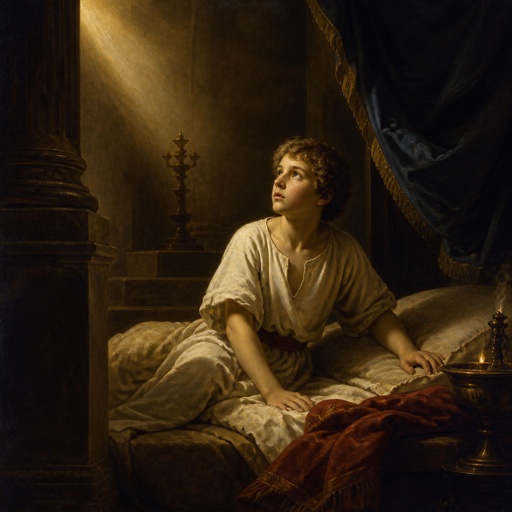
1 Samuel 3:3 - "And ere the lamp of God went out in the temple of the LORD, where the ark of God was, and Samuel was laid down to sleep;"

1 Samuel 2:12

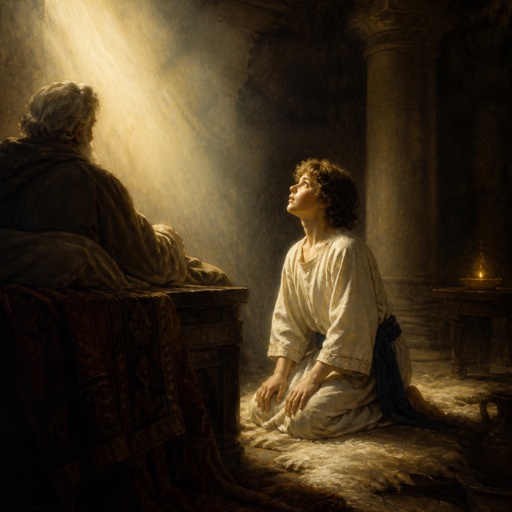
1 Samuel 3:10 - "And the LORD came, and stood, and called as at other times, Samuel, Samuel. Then Samuel answered, Speak; for thy servant heareth."

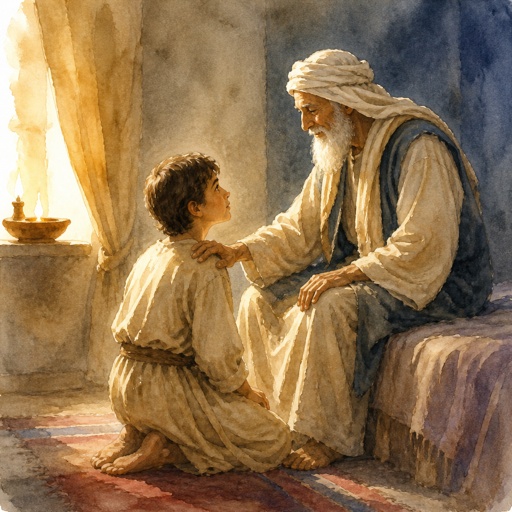
1 Samuel 3:16 - "Then Eli called Samuel, and said, Samuel, my son. And he answered, Here am I."

1 Samuel 3:1-10

1 Samuel 3:4 - "That the LORD called Samuel: and he answered, Here am I."

1 Samuel 12:18 - "So Samuel called unto the LORD; and the LORD sent thunder and rain that day: and all the people greatly feared the LORD and Samuel."

1 Samuel 3:15 - "¶ And Samuel lay until the morning, and opened the doors of the house of the LORD. And Samuel feared to shew Eli the vision."

1 Samuel 3:1 - "And the child Samuel ministered unto the LORD before Eli. And the word of the LORD was precious in those days; there was no open vision."
1 Samuel 3:21
1 Samuel 3:21

1 Samuel 3:21

1 samuel 17:3

1 Samuel 2:12 Now the sons of Eli were sons of Belial; they knew not the LORD.
1 Samuel 13:3

1 Samuel 3:21

1 Samuel 3:19 - "¶ And Samuel grew, and the LORD was with him, and did let none of his words fall to the ground."

1 Samuel 3:21 - "And the LORD appeared again in Shiloh: for the LORD revealed himself to Samuel in Shiloh by the word of the LORD."

1 Samuel 12:6 - "¶ And Samuel said unto the people, It is the LORD that advanced Moses and Aaron, and that brought your fathers up out of the land of Egypt."

1 Samuel 3:20 - "And all Israel from Dan even to Beer-sheba knew that Samuel was established to be a prophet of the LORD."