What does 1 Samuel 12:9 mean?
“And when they forgat the LORD their God, he sold them into the hand of Sisera, captain of the host of Hazor, and into the hand of the Philistines, and into the hand of the king of Moab, and they fought against them.” — 1 Samuel 12:9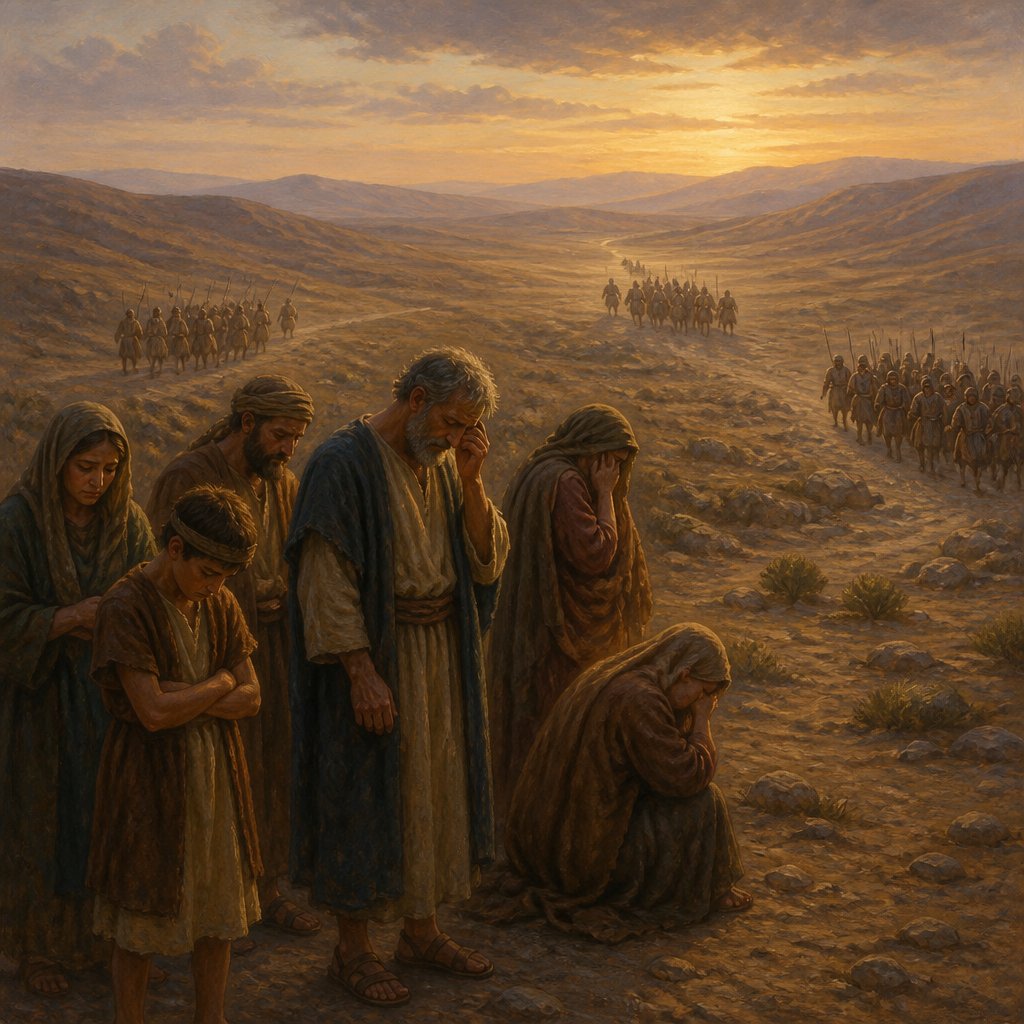
The verse 1 Samuel 12:9 from the King James Version of the Bible reads: "And when they forgat the Lord their God, he sold them into the hand of Sisera, captain of the host of Hazor, and into the hand of the Philistines, and into the hand of the king of Moab, and they fought against them."
This verse is part of a speech that the prophet Samuel delivered to the Israelites as they prepared to crown their first king, Saul. In this particular part of the speech, Samuel is reminding the people of Israel of their history and the consequences of their past actions. He is highlighting the times when the Lord had forsaken them and allowed their enemies to conquer them because of their disobedience and forgetfulness of God.
The themes in this verse revolve around the punishment for disobedience, the faithfulness of God, and the importance of remembering and honoring the Lord. Throughout the Bible, there is a consistent message that God's chosen people will face consequences if they turn away from Him and forget His commandments. In this case, the Israelites were sold into the hands of their enemies – Sisera, the Philistines, and the king of Moab – because they had forsaken the Lord.
The context of this verse is important for understanding its significance. The Israelites had a history of fluctuating between faithfulness and unfaithfulness to God. Samuel's speech is a reminder of this history and a warning for the future. The people were about to crown their first king, and Samuel wanted to impress upon them the importance of remaining obedient and faithful to God as they entered this new era of leadership.
The symbolism in this verse lies in the enemies mentioned – Sisera, the Philistines, and the king of Moab. These enemies represent the various threats and challenges that the Israelites faced throughout their history. Sisera, the commander of the Canaanite army, symbolizes the external military threats that the Israelites encountered. The Philistines were a constant thorn in the side of the Israelites, posing a significant threat to their security and well-being. The king of Moab represents the enemies from surrounding nations who sought to conquer and subdue the Israelites.
In a broader sense, these enemies can be seen as symbolic of the spiritual battles that all believers face. The mention of these adversaries serves as a reminder that turning away from God can lead to vulnerability and defeat. However, it also serves as a testament to the faithfulness of God, who is willing to forgive and restore His people if they repent and turn back to Him.
Overall, 1 Samuel 12:9 serves as a poignant reminder of the consequences of turning away from God and the faithfulness of God in the face of disobedience. It is a call to remember the Lord and remain obedient to His commandments, as well as a warning of the dangers of forsaking Him. This verse is a powerful testimony to the enduring themes of faithfulness, obedience, and the consequences of disobedience found throughout the Bible.
Get our apps


Artwork for 1 Samuel 12:9
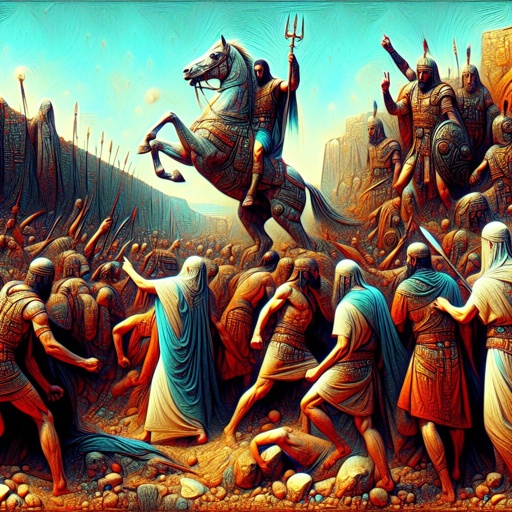
1 Samuel 12:9 - "And when they forgat the LORD their God, he sold them into the hand of Sisera, captain of the host of Hazor, and into the hand of the Philistines, and into the hand of the king of Moab, and they fought against them."
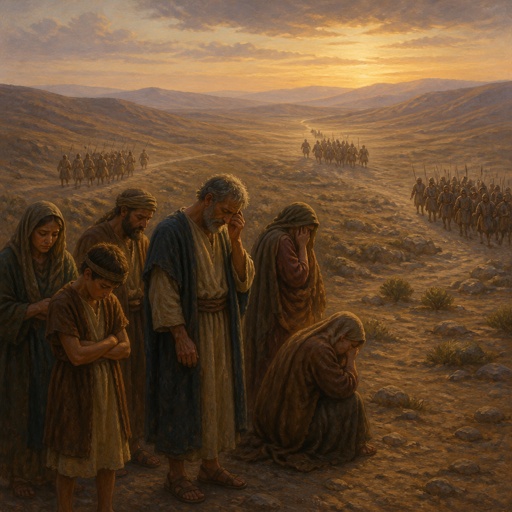
"And when they forgat the LORD their God, he sold them into the hand of Sisera, captain of the host of Hazor, and into the hand of the Philistines, and into the hand of the king of Moab, and they fought against them." - 1 Samuel 12:9

1 Samuel 9:12 - "And they answered them, and said, He is; behold, he is before you: make haste now, for he came to day to the city; for there is a sacrifice of the people to day in the high place:"
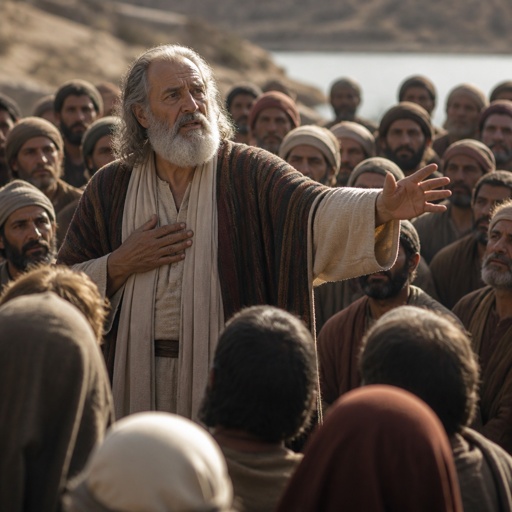
1 Samuel 12:3

1 Samuel 12:13

1 Samuel 12

1 Samuel 12:13

1 Samuel 4:12
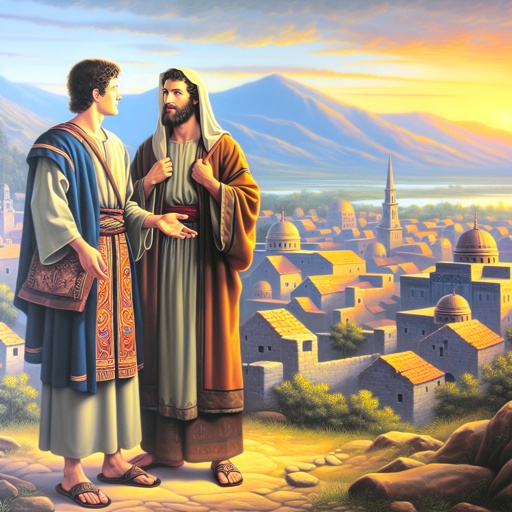
1 Samuel 9:1-2

1 Samuel 2:12
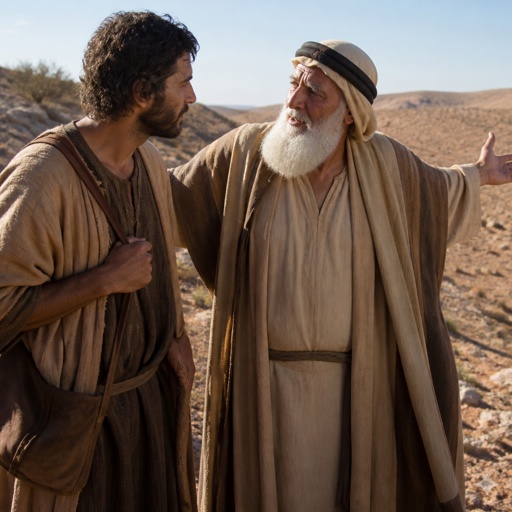
1 Samuel 9:17
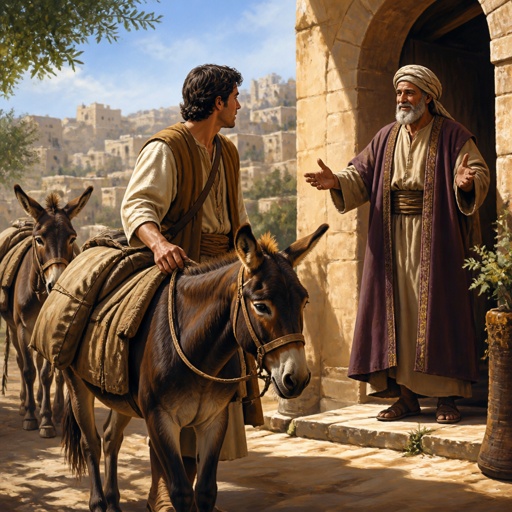
1 Samuel 9:17

1 Samuel 9:15 - "¶ Now the LORD had told Samuel in his ear a day before Saul came, saying,"

1 Samuel 12:18 - "So Samuel called unto the LORD; and the LORD sent thunder and rain that day: and all the people greatly feared the LORD and Samuel."

2 samuel 9:7 fhdhdhdhhd

1 Samuel 9:25 - "¶ And when they were come down from the high place into the city, Samuel communed with Saul upon the top of the house."

1 Samuel 9:18 - "Then Saul drew near to Samuel in the gate, and said, Tell me, I pray thee, where the seer's house is."

1 Samuel 18:9 - "And Saul eyed David from that day and forward."
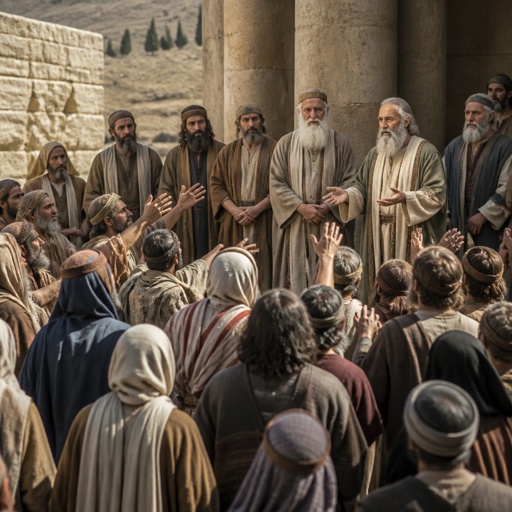
1 Samuel 8:7-9

2 Samuel 9:12 - "And Mephibosheth had a young son, whose name was Micha. And all that dwelt in the house of Ziba were servants unto Mephibosheth."

1 Samuel 7:9 - "¶ And Samuel took a sucking lamb, and offered it for a burnt offering wholly unto the LORD: and Samuel cried unto the LORD for Israel; and the LORD heard him."

1 Samuel 12:6 - "¶ And Samuel said unto the people, It is the LORD that advanced Moses and Aaron, and that brought your fathers up out of the land of Egypt."

1 Samuel 13:12 Saul's disobedience

1 Samuel 13:12 No face of persons

1 Samuel 1:12 - "And it came to pass, as she continued praying before the LORD, that Eli marked her mouth."

1 Samuel 12:1 - "And Samuel said unto all Israel, Behold, I have hearkened unto your voice in all that ye said unto me, and have made a king over you."

Revelation 12:3-9

1 Samuel 18:12 - "¶ And Saul was afraid of David, because the LORD was with him, and was departed from Saul."

1 Samuel 15:12 - "And when Samuel rose early to meet Saul in the morning, it was told Samuel, saying, Saul came to Carmel, and, behold, he set him up a place, and is gone about, and passed on, and gone down to Gilgal."

1 Samuel 9:17 - "And when Samuel saw Saul, the LORD said unto him, Behold the man whom I spake to thee of! this same shall reign over my people."