What does 1 Samuel 13:15 mean?
“And Samuel arose, and gat him up from Gilgal unto Gibeah of Benjamin. And Saul numbered the people that were present with him, about six hundred men.” — 1 Samuel 13:15
The verse 1 Samuel 13:15 from the King James Version (KJV) of the Bible reads, "And Samuel arose, and gat him up from Gilgal unto Gibeah of Benjamin. And Saul numbered the people that were present with him, about six hundred men."
To fully grasp the significance of this verse, it is important to understand the context in which it occurs. In the book of 1 Samuel, we are introduced to Saul, the first king of Israel, and Samuel, a prophet and judge of Israel. In this particular verse, we see Samuel leaving Gilgal to go to Gibeah of Benjamin, and we also learn that Saul has only about six hundred men with him at this time.
The movement of Samuel from Gilgal to Gibeah signifies a shift in the narrative of the book. Gilgal was a place of great spiritual significance for the Israelites, as it was where they first encamped after crossing the Jordan River into the Promised Land. Additionally, Gilgal was where Samuel first gathered the people to anoint Saul as the King of Israel (1 Samuel 11:14-15). By leaving Gilgal and going to Gibeah, Samuel is symbolically moving away from the initial establishment of Saul's reign and towards a new phase of leadership and governance in Israel.
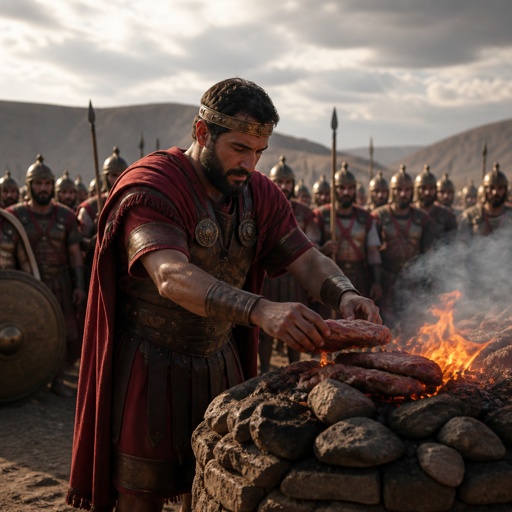
The fact that Saul has only about six hundred men with him at this time is also significant. In the ancient world, a king's strength and power were often measured by the size of his army. Having only six hundred men may have indicated a lack of support and resources for Saul, which foreshadows the struggles and challenges he will face as king.
Thematically, this verse speaks to the themes of leadership, obedience, and faith. Throughout the book of 1 Samuel, we see the contrasting leadership styles of Saul and Samuel. Samuel is depicted as a faithful and obedient servant of God, while Saul's leadership is marked by disobedience and impatience. The movement of Samuel from Gilgal to Gibeah can be seen as a metaphor for the transition from the old order of leadership under Samuel to the new order under Saul.
Additionally, the small number of men with Saul at this time highlights the importance of faith and reliance on God's strength rather than human resources. In the subsequent chapters of 1 Samuel, we see how Saul's lack of faith and dependence on his own abilities leads to his downfall, while David, who succeeds Saul as king, relies on God's strength and wisdom to guide his leadership.
Symbolically, the movement of Samuel from Gilgal to Gibeah can also be seen as a journey from the old to the new. It represents a shift in the spiritual and political landscape of Israel, as Saul's rule begins to take shape. The small number of men with Saul may symbolize the humble beginnings of his reign, as well as the challenges he will face as king.
In conclusion, 1 Samuel 13:15 from the King James Version of the Bible carries significant thematic, contextual, and symbolic weight. It marks a pivotal moment in the narrative of the book of 1 Samuel, signaling a transition in leadership and the challenges that lie ahead for Saul as king. It serves as a reminder of the importance of faith, obedience, and reliance on God's strength in times of transition and uncertainty.
Get our apps


Artwork for 1 Samuel 13:15

1 Samuel 13:15 - "And Samuel arose, and gat him up from Gilgal unto Gibeah of Benjamin. And Saul numbered the people that were present with him, about six hundred men."

"And Samuel arose, and gat him up from Gilgal unto Gibeah of Benjamin. And Saul numbered the people that were present with him, about six hundred men." - 1 Samuel 13:15

1 Samuel 15:13 - "And Samuel came to Saul: and Saul said unto him, Blessed be thou of the LORD: I have performed the commandment of the LORD."

"And Samuel came to Saul: and Saul said unto him, Blessed be thou of the LORD: I have performed the commandment of the LORD." - 1 Samuel 15:13

2 Samuel 15:13 - "¶ And there came a messenger to David, saying, The hearts of the men of Israel are after Absalom."

1 Samuel 15:10 - "¶ Then came the word of the LORD unto Samuel, saying,"
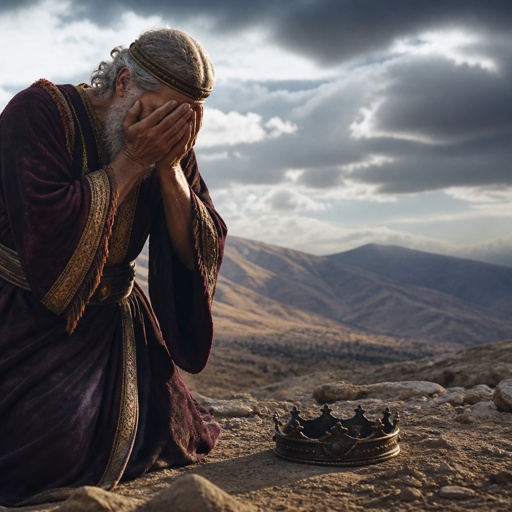
1 Samuel 13:13-14
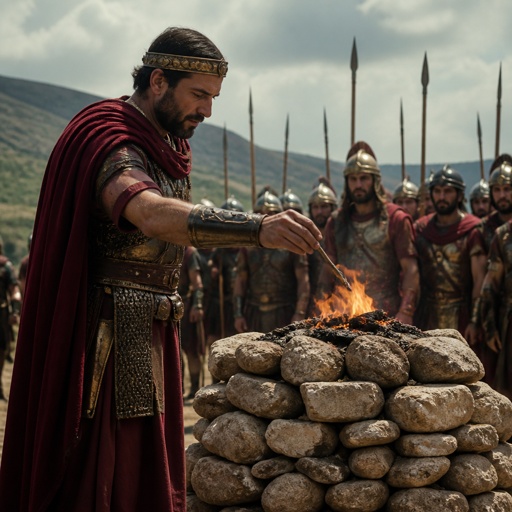
1 Samuel 13:3
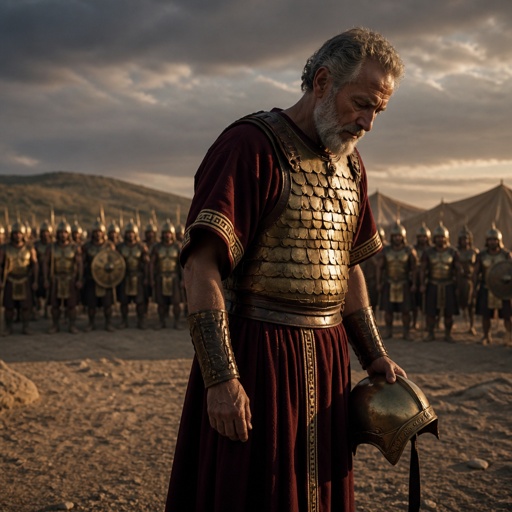
1 Samuel 13:14

1 Samuel 7:15 - "And Samuel judged Israel all the days of his life."
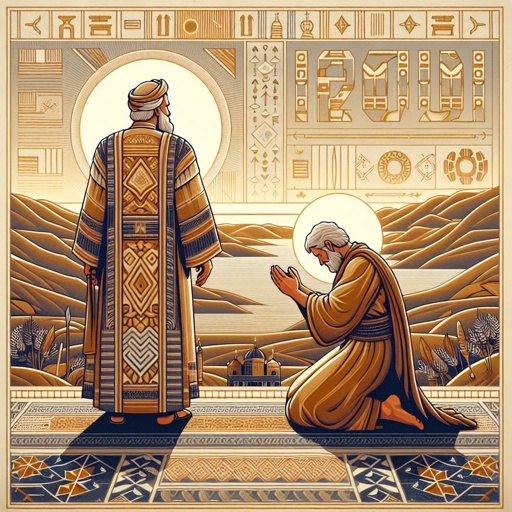
1 Samuel 15:31 - "So Samuel turned again after Saul; and Saul worshipped the LORD."
1 Samuel 13:11

1 Samuel 15:34 - "¶ Then Samuel went to Ramah; and Saul went up to his house to Gibeah of Saul."

1 Samuel 1:15-17

1 Samuel 16:1–13

1 Samuel 3:15 - "¶ And Samuel lay until the morning, and opened the doors of the house of the LORD. And Samuel feared to shew Eli the vision."

1 Samuel 13:12 Saul's disobedience

1.samuel 15:30

1.samuel 15:30

1 Samuel 28:15

1 Samuel 15:22

1 Samuel 15:22

1 Samuel 9:15 - "¶ Now the LORD had told Samuel in his ear a day before Saul came, saying,"

1 Samuel 12:13

1 Samuel 12:13

1 Samuel 28:15-20

1 Samuel 21:10-15

1 Samuel 28:15-19

1 Samuel 15:27 - "And as Samuel turned about to go away, he laid hold upon the skirt of his mantle, and it rent."

1 Samuel 10:15 - "And Saul's uncle said, Tell me, I pray thee, what Samuel said unto you."