What does 1 Samuel 13:16 mean?
“And Saul, and Jonathan his son, and the people that were present with them, abode in Gibeah of Benjamin: but the Philistines encamped in Michmash.” — 1 Samuel 13:16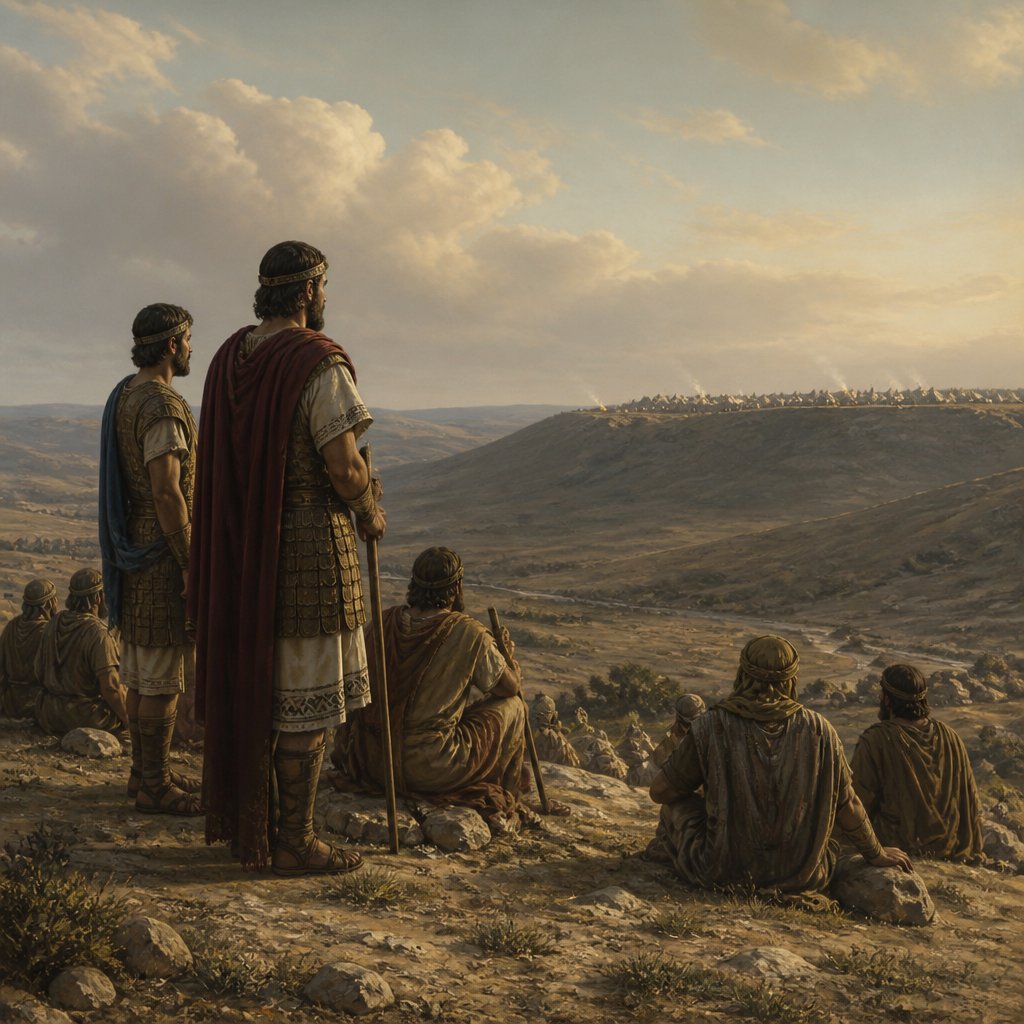
The Bible verse 1 Samuel 13:16 in the King James Version (KJV) states, "And Saul, and Jonathan his son, and the people that were present with them, abode in Gibeah of Benjamin: but the Philistines encamped in Michmash."
This verse comes from the Old Testament book of 1 Samuel, which tells the story of the transition from the period of the judges to the monarchy in Israel. The verse is set in a time of conflict between the Israelites and the Philistines, and it provides important historical and political context for the story of King Saul and his son Jonathan.
The verse opens with the mention of Saul, who was the first king of Israel. It also introduces Jonathan, Saul's son, and a key figure in the narrative of 1 Samuel. The verse then goes on to describe the setting in which the characters find themselves - Gibeah of Benjamin. This was an important city in the tribe of Benjamin, which was Saul's own tribe. The mention of Gibeah serves to anchor the events of the verse in a specific geographical location, giving the reader a sense of the physical setting of the story.
The verse then introduces the opposing force, the Philistines, who are said to have encamped in Michmash. The Philistines were a powerful enemy of the Israelites, and their presence in Michmash posed a significant threat to Saul and his people. This sets the stage for the conflict that is about to unfold in the subsequent chapters of 1 Samuel.
The broader context of this verse is one of political and military turmoil in ancient Israel. The Philistines were a constant source of trouble for the Israelites, and their conflicts with the Philistines are a recurring theme throughout the books of Samuel. This verse is just one example of the ongoing struggle between the two nations, and it foreshadows the battles and confrontations that will take place later in the narrative.
Symbolically, this verse can be seen as a representation of the broader theme of conflict and struggle in the biblical narrative. The presence of the Philistines in Michmash serves as a metaphor for the presence of external threats and challenges in the lives of God's people. The city of Michmash can be seen as a symbol of the opposition and adversity that the Israelites faced, and the encampment of the Philistines represents the looming threat of these external forces.
The characters of Saul and Jonathan also hold symbolic significance in this verse. Saul, as the first king of Israel, represents the authority and leadership of the nation. His presence in Gibeah of Benjamin symbolizes the centralization of power and the defense of the territory. Jonathan, as Saul's son, symbolizes the next generation and the continuity of the monarchy. The fact that he is mentioned alongside his father signifies his importance in the unfolding narrative and foreshadows his future role in the events that will follow.
Overall, 1 Samuel 13:16 is a verse that provides important historical and contextual information for the narrative of 1 Samuel. It sets the stage for the conflicts and struggles that the characters will face, and it carries symbolic significance in its representation of the broader themes of conflict, leadership, and the ongoing struggle between God's people and their enemies. Through its depiction of Saul, Jonathan, and the Philistines, the verse serves as a microcosm of the larger story of ancient Israel and its ongoing battle for survival and identity.
Get our apps


Artwork for 1 Samuel 13:16

1 Samuel 13:16 - "And Saul, and Jonathan his son, and the people that were present with them, abode in Gibeah of Benjamin: but the Philistines encamped in Michmash."
"And Saul, and Jonathan his son, and the people that were present with them, abode in Gibeah of Benjamin: but the Philistines encamped in Michmash." - 1 Samuel 13:16

1 Samuel 16:1–13

1 Samuel 16:13 - "Then Samuel took the horn of oil, and anointed him in the midst of his brethren: and the Spirit of the LORD came upon David from that day forward. So Samuel rose up, and went to Ramah."
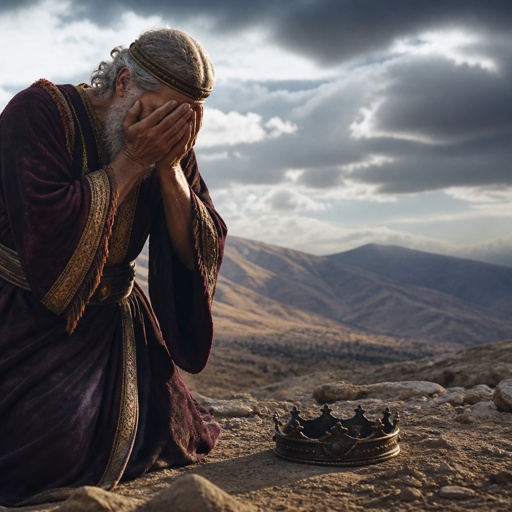
1 Samuel 13:13-14
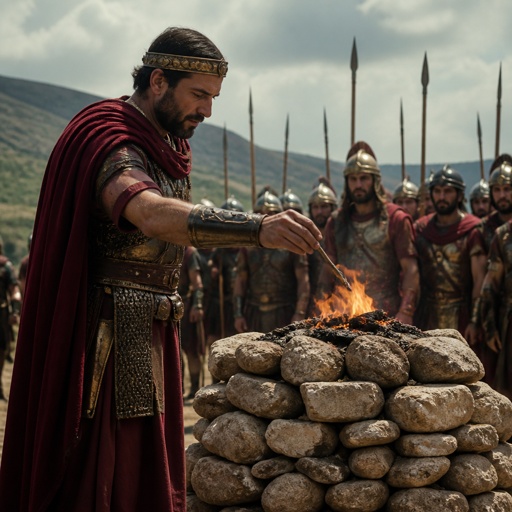
1 Samuel 13:3
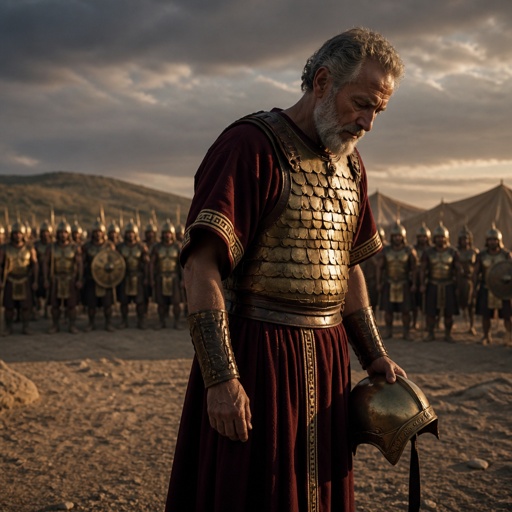
1 Samuel 13:14
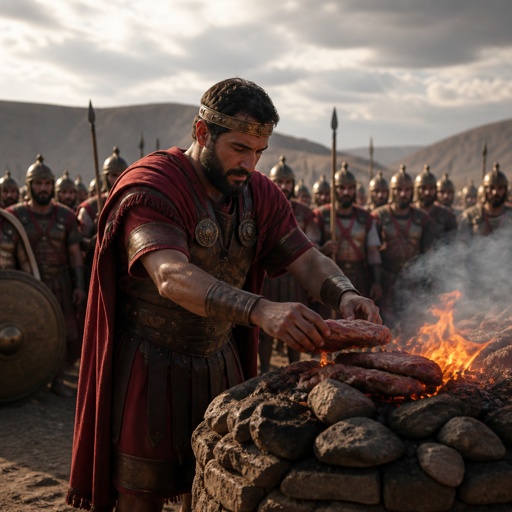
1 Samuel 13:11

1 Samuel 3:16 - "Then Eli called Samuel, and said, Samuel, my son. And he answered, Here am I."

1 Samuel 13:12 Saul's disobedience

1 Samuel 12:13

1 Samuel 12:13

1 Samuel 16:10 - "Again, Jesse made seven of his sons to pass before Samuel. And Samuel said unto Jesse, The LORD hath not chosen these."

revelation 1:13-16
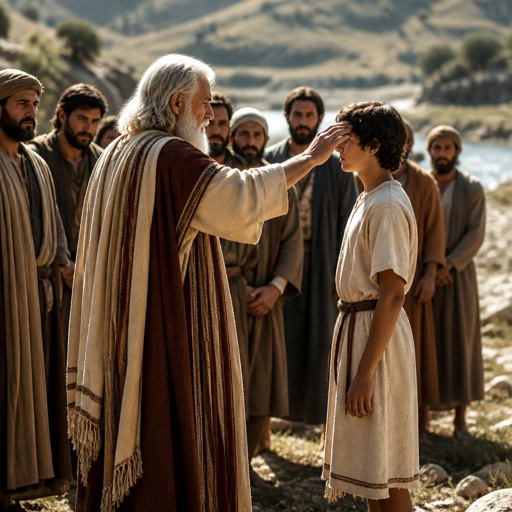
1 Samuel 16:6-7
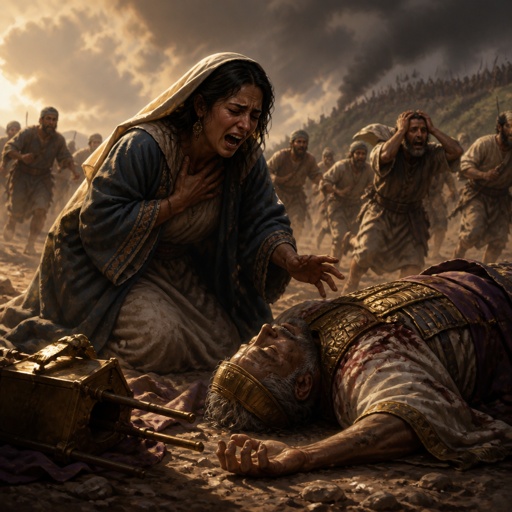
1 Samuel 4:14-16
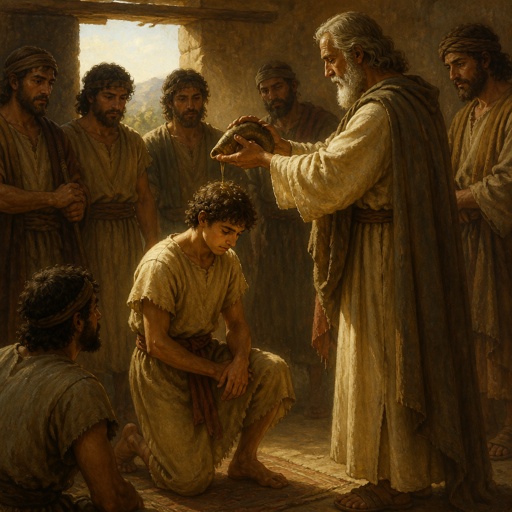
"Then Samuel took the horn of oil, and anointed him in the midst of his brethren: and the Spirit of the LORD came upon David from that day forward. So Samuel rose up, and went to Ramah." - 1 Samuel 16:13

1 Samuel 22:11-13

1 Samuel 16:8 - "Then Jesse called Abinadab, and made him pass before Samuel. And he said, Neither hath the LORD chosen this."

Luke 16:1-13

Revelations 1:13-16

1 Samuel 15:13 - "And Samuel came to Saul: and Saul said unto him, Blessed be thou of the LORD: I have performed the commandment of the LORD."

1 Samuel 13:8 - "¶ And he tarried seven days, according to the set time that Samuel had appointed: but Samuel came not to Gilgal; and the people were scattered from him."

1 Samuel 13:12 No face of persons

Luke 16:1-13

Luke 16:1-13

1 Samuel 28:16 - "Then said Samuel, Wherefore then dost thou ask of me, seeing the LORD is departed from thee, and is become thine enemy?"

Mark 10:13–16

1 Samuel 13:23 - "And the garrison of the Philistines went out to the passage of Michmash."

1 Samuel 13:1 - "Saul reigned one year; and when he had reigned two years over Israel,"