What does 1 Samuel 13:8 mean?
“And he tarried seven days, according to the set time that Samuel had appointed: but Samuel came not to Gilgal; and the people were scattered from him.” — 1 Samuel 13:8
1 Samuel 13:8 (KJV) reads: "And he tarried seven days, according to the set time that Samuel had appointed: but Samuel came not to Gilgal; and the people were scattered from him."
This verse takes place during a pivotal moment in the early history of Israel. King Saul, the first king of Israel, is preparing for a battle with the Philistines, who had been a constant threat to the nation. Samuel, the prophet and judge of Israel, had instructed Saul to meet him in Gilgal and wait for seven days for Samuel to offer sacrifices before going into battle. However, when Samuel did not arrive on the seventh day as expected, Saul became anxious and took matters into his own hands.
The verse begins with the phrase "he tarried seven days," referring to Saul's obedience to Samuel's command to wait for him. Waiting for seven days in the Bible symbolizes completion, and it is a period of time often used to test one's faith and obedience. This is a recurring theme throughout the Bible, and cases of individuals being tested for seven days can be found in the stories of Noah, Joshua, and Job, among others. This waiting period was a test of Saul's faith and obedience to God's appointed leader, Samuel.
However, as the verse continues, we learn that Samuel did not arrive at the appointed time, and the people began to scatter from Saul. This lack of support and the pressure of the impending battle caused Saul to take matters into his own hands, which ultimately led to disastrous consequences. This action on Saul's part represents a lack of faith and impatience, as he did not trust in God's timing and the leadership of Samuel.
The context of this verse is crucial for understanding its significance in the larger narrative of Saul's reign. Saul's impatience and disobedience in this situation foreshadow his future downfall as the king. His failure to wait for Samuel's arrival and his hasty decision to offer the sacrifices himself resulted in Samuel's rebuke and the beginning of the end of Saul's dynasty.
This verse brings up several important themes that are relevant throughout the Bible. One such theme is the importance of obedience to God's appointed leaders. In this case, Samuel was the chosen prophet and judge of Israel, and Saul's obedience to him was crucial. The Bible emphasizes that God's authority is ultimately expressed through human leaders, and it is the duty of the people to obey and respect those whom God has placed in positions of authority.
Another theme that emerges from this verse is the concept of patience and trust in God's timing. Saul's impatience and lack of faith are evident in his decision to offer the sacrifices himself when Samuel did not arrive at the expected time. This serves as a warning to all believers about the dangers of impatience and the need to trust in God's timing, even when it seems as though He is delaying.
Furthermore, the scattering of the people from Saul reflects the importance of unity and the consequences of division. When the people began to disperse, Saul was left without the support and encouragement he needed to lead the nation effectively. This serves as a reminder of the strength that comes from unity and the dangers of division within the body of believers.
Symbolically, this verse can be seen as a cautionary tale about the dangers of impatience, disobedience, and lack of faith. Saul's actions serve as a warning to all believers about the importance of trust and obedience in God's appointed leaders and the dangers of taking matters into our own hands when God's timing does not align with our expectations.
In conclusion, 1 Samuel 13:8 from the King James Version of the Bible carries significant meaning within the larger narrative of Saul's reign and provides valuable insights into themes of obedience, patience, and unity. This verse serves as a powerful reminder of the importance of faith and trust in God's timing and the authority of His appointed leaders. It also stands as a cautionary tale about the consequences of impatience and disobedience. Ultimately, this verse serves as a timeless lesson for believers of all generations.
Get our apps


Artwork for 1 Samuel 13:8

1 Samuel 13:8 - "¶ And he tarried seven days, according to the set time that Samuel had appointed: but Samuel came not to Gilgal; and the people were scattered from him."

"¶ And he tarried seven days, according to the set time that Samuel had appointed: but Samuel came not to Gilgal; and the people were scattered from him." - 1 Samuel 13:8

1 Samuel 8:13 - "And he will take your daughters to be confectionaries, and to be cooks, and to be bakers."

"And he will take your daughters to be confectionaries, and to be cooks, and to be bakers." - 1 Samuel 8:13
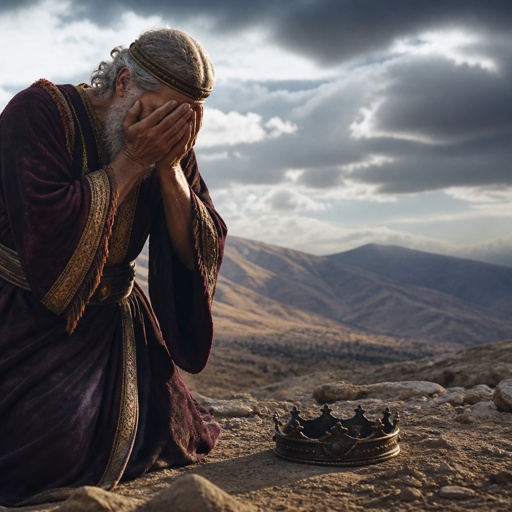
1 Samuel 13:13-14

1 Samuel 13:3
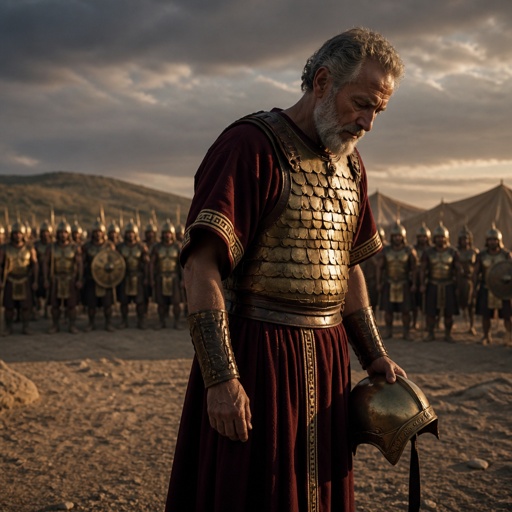
1 Samuel 13:14

1 Samuel 13:11

1 Samuel 16:1–13

1 Samuel 8:1 - "And it came to pass, when Samuel was old, that he made his sons judges over Israel."

1 Samuel 13:12 Saul's disobedience

1 Samuel 12:13

1 Samuel 12:13

1 Samuel 8:6 - "¶ But the thing displeased Samuel, when they said, Give us a king to judge us. And Samuel prayed unto the LORD."

1 Samuel 8:21 - "And Samuel heard all the words of the people, and he rehearsed them in the ears of the LORD."

1 Samuel 8:10 - "¶ And Samuel told all the words of the LORD unto the people that asked of him a king."

1 Samuel 8:7

1 Samuel 8:4 - "Then all the elders of Israel gathered themselves together, and came to Samuel unto Ramah,"

1 Samuel 22:11-13

1 Samuel 15:13 - "And Samuel came to Saul: and Saul said unto him, Blessed be thou of the LORD: I have performed the commandment of the LORD."

1 Samuel 13:12 No face of persons

Matthew 13:8

Romans 13:8

Romans 13:8

Luke 8:13

Luke 8:13

Luke 8:13

1 Samuel 17:4-8
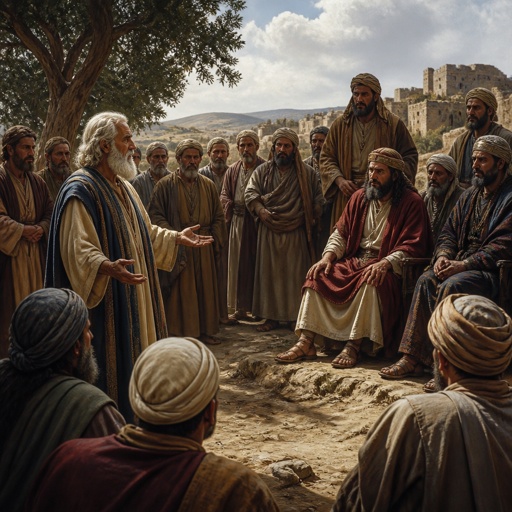
1 Samuel 8:19-22
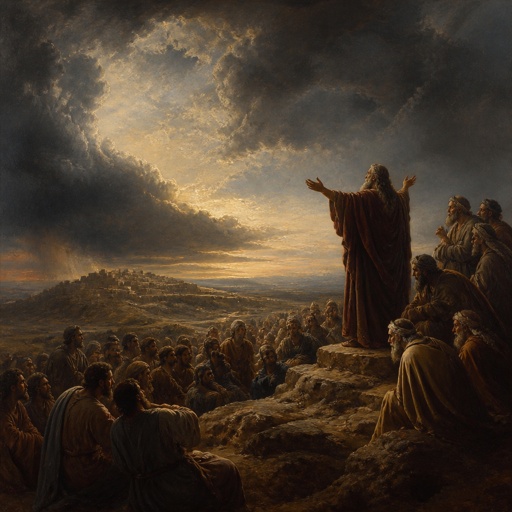
1 Samuel 8:19-22