What does 1 Samuel 13:9 mean?
“And Saul said, Bring hither a burnt offering to me, and peace offerings. And he offered the burnt offering.” — 1 Samuel 13:9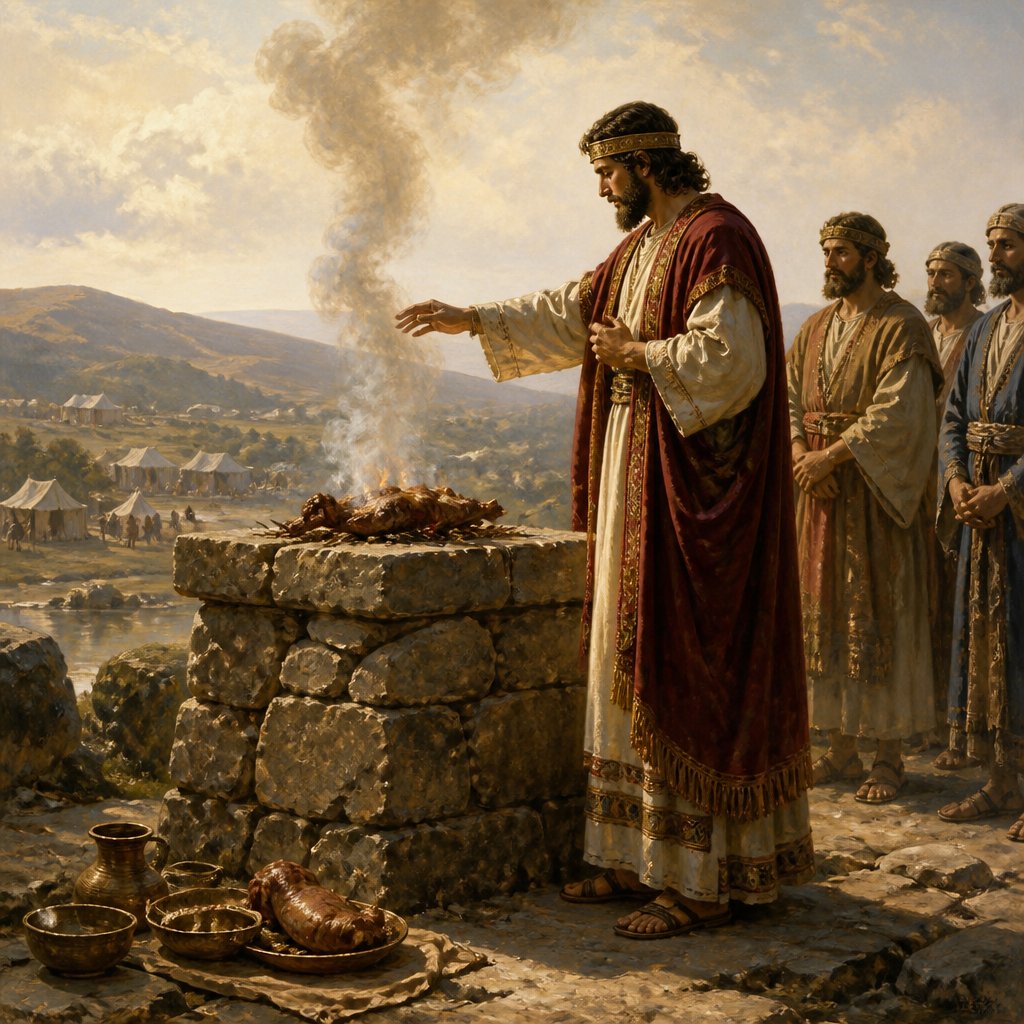
The Bible verse 1 Samuel 13:9 in the King James Version states, "And Saul said, Bring hither a burnt offering to me, and peace offerings. And he offered the burnt offering."
This verse is a part of the larger narrative in the Book of 1 Samuel, which tells the story of the first king of Israel, Saul, and his reign. In this particular passage, Saul is facing a crucial moment of decision as he prepares for battle against the Philistines. Prophet Samuel had instructed King Saul to wait for him at Gilgal for seven days, at which time Samuel would come and offer sacrifices to God before the battle. However, as the days went by, Samuel did not arrive, and the Israelite soldiers started to scatter. Feeling the pressure of the situation, Saul took it upon himself to offer a sacrifice to God, a task reserved for the prophet or priest.
This verse raises several important themes and issues that are relevant to the broader context of the Bible and human experience. One of the central themes in 1 Samuel 13:9 is the question of obedience to God's commands. God had given specific instructions for the offering of sacrifices, and Saul's decision to take matters into his own hands and offer the burnt sacrifice himself reflected a lack of trust in God's timing and disobedience to His commands. This theme of obedience and trust in God's guidance is a recurring motif throughout the Bible, and Saul's actions serve as a cautionary example of the dangers of acting impulsively and without faith.
Another important theme in this verse is the role of human authority and leadership. Saul, as the King of Israel, held significant power and influence over the people. His decision to offer the burnt sacrifice himself not only demonstrated his lack of trust in God but also raised questions about the limits of his authority. The role of kings and leaders in relation to God's authority and guidance is an important theme in the Bible, and Saul's actions serve as a reminder of the need for humility and submission to God's will, even for those in positions of power.
This verse also illustrates the broader theme of the tension between human agency and divine providence. Saul's decision to offer the sacrifice himself was driven by his desire to ensure the success of the upcoming battle. However, his impulsive actions overlooked the fact that God's timing and providence are ultimately what determine the outcome of events. This tension between human initiative and divine control is a fundamental aspect of the biblical narrative, and Saul's actions serve as a cautionary example of the dangers of prioritizing human effort over reliance on God's providence.
From a symbolic perspective, the burnt offering itself holds significant meaning within the biblical context. Burnt offerings were a key element of ancient Israelite religious practice and were seen as a way of seeking atonement for sin, expressing devotion to God, and seeking His favor. By taking it upon himself to offer the burnt sacrifice, Saul was not only disobeying God's commands but also usurping the role of the priest and prophet. This act of self-aggrandizement and disregard for the established religious practices symbolizes Saul's pride and lack of reverence for the sacred duties entrusted to the priesthood.
In conclusion, 1 Samuel 13:9 contains rich thematic content and symbolic significance that resonates with the broader narrative of the Bible. Saul's impulsive decision to offer the burnt sacrifice himself reflects themes of obedience, human authority, divine providence, and the symbolism of religious rituals. This verse serves as a powerful reminder of the importance of trust in God's providence, humility in leadership, and obedience to His commands.
Get our apps


Artwork for 1 Samuel 13:9

1 Samuel 13:9 - "And Saul said, Bring hither a burnt offering to me, and peace offerings. And he offered the burnt offering."
"And Saul said, Bring hither a burnt offering to me, and peace offerings. And he offered the burnt offering." - 1 Samuel 13:9

1 Samuel 13:13-14

1 Samuel 13:3
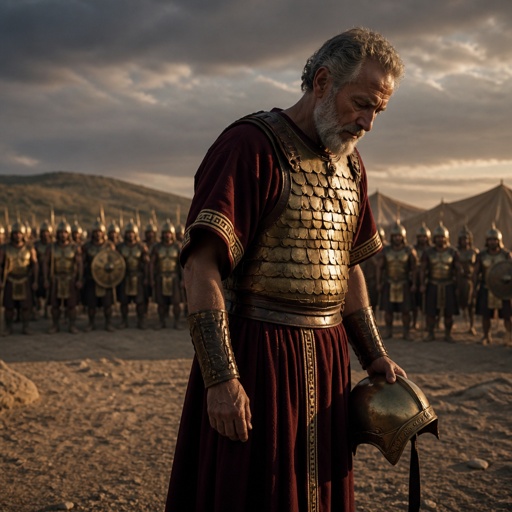
1 Samuel 13:14

1 Samuel 13:11

1 Samuel 16:1–13

1 Samuel 13:12 Saul's disobedience

1 Samuel 9:1-2

1 Samuel 12:13

1 Samuel 12:13
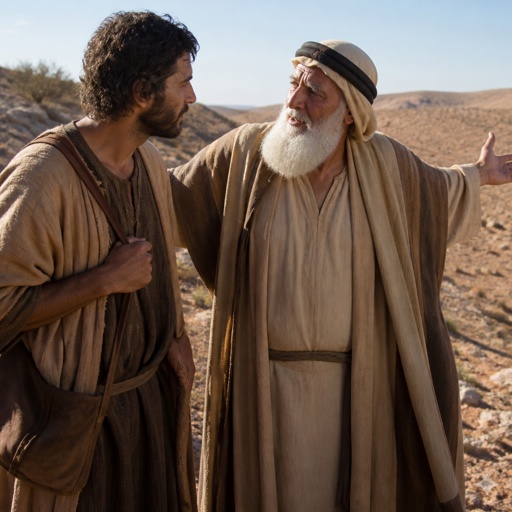
1 Samuel 9:17
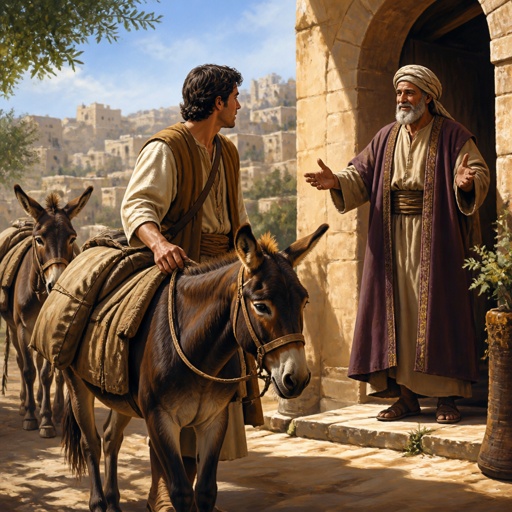
1 Samuel 9:17

1 Samuel 9:15 - "¶ Now the LORD had told Samuel in his ear a day before Saul came, saying,"

2 samuel 9:7 fhdhdhdhhd

2 Samuel 9:13 - "So Mephibosheth dwelt in Jerusalem: for he did eat continually at the king's table; and was lame on both his feet."

1 Samuel 22:11-13

1 Samuel 15:13 - "And Samuel came to Saul: and Saul said unto him, Blessed be thou of the LORD: I have performed the commandment of the LORD."

1 Samuel 13:8 - "¶ And he tarried seven days, according to the set time that Samuel had appointed: but Samuel came not to Gilgal; and the people were scattered from him."

1 Samuel 9:25 - "¶ And when they were come down from the high place into the city, Samuel communed with Saul upon the top of the house."

1 Samuel 9:18 - "Then Saul drew near to Samuel in the gate, and said, Tell me, I pray thee, where the seer's house is."

1 Samuel 13:12 No face of persons

1 Samuel 18:9 - "And Saul eyed David from that day and forward."
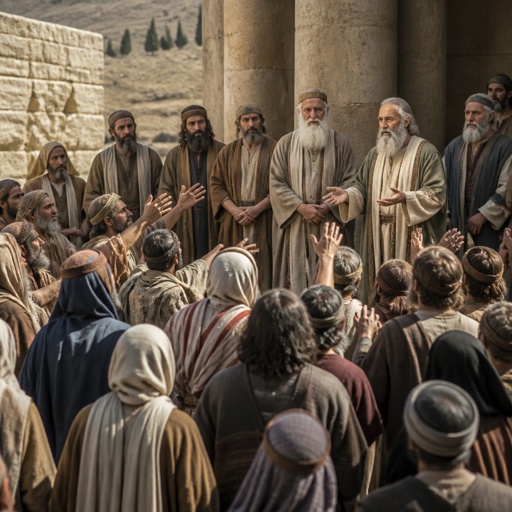
1 Samuel 8:7-9

1 Samuel 7:9 - "¶ And Samuel took a sucking lamb, and offered it for a burnt offering wholly unto the LORD: and Samuel cried unto the LORD for Israel; and the LORD heard him."

1 Samuel 13:23 - "And the garrison of the Philistines went out to the passage of Michmash."

1 Samuel 13:1 - "Saul reigned one year; and when he had reigned two years over Israel,"

1 Samuel 13:13 - "And Samuel said to Saul, Thou hast done foolishly: thou hast not kept the commandment of the LORD thy God, which he commanded thee: for now would the LORD have established thy kingdom upon Israel for ever."

1 Samuel 7:13 - "¶ So the Philistines were subdued, and they came no more into the coast of Israel: and the hand of the LORD was against the Philistines all the days of Samuel."

1 Samuel 8:13 - "And he will take your daughters to be confectionaries, and to be cooks, and to be bakers."