What does 1 Samuel 14:38 mean?
“And Saul said, Draw ye near hither, all the chief of the people: and know and see wherein this sin hath been this day.” — 1 Samuel 14:38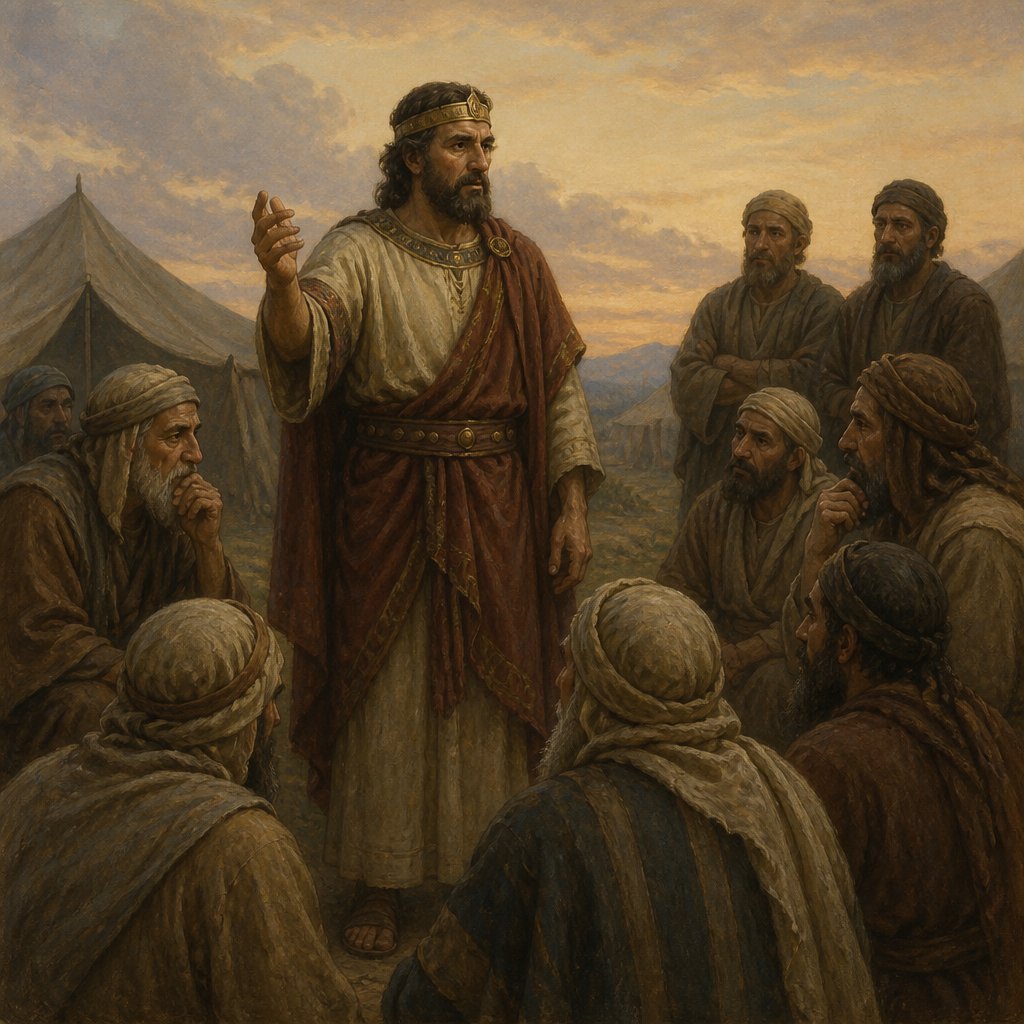
The book of 1 Samuel is a part of the Old Testament of the Bible, and it is a historical account of the transition from the time of the judges to the time of the monarchy in Israel. The verse 1 Samuel 14:38 in the King James Version (KJV) reads, "And Saul said, Draw ye near hither, all the chief of the people: and know and see wherein this sin hath been this day."
In order to fully understand the meaning and context of this verse, we must first look at the broader story in which it is situated. In 1 Samuel 14, we find the Israelites engaged in a battle against the Philistines. Jonathan, the son of King Saul, had initiated a daring attack on the Philistine garrison, and through God's intervention, had won a great victory for the Israelites. However, during the battle, Saul had rashly declared a fast, which led his troops to break the fast and eat meat with the blood. This act was in direct violation of God's commandments, as found in Leviticus 17:10-14, which states that the Israelites were not to eat blood. This act constituted a sin that incurred God's wrath.
When Saul comes to know of the sin, he is worried that God may be angry with the people of Israel and seeks to address the transgression. In this context, the verse 1 Samuel 14:38 reflects Saul's concern and his effort to ascertain the cause of the sin. He summons all the chiefs of the people to draw near and investigate the matter. It indicates his desire to identify and rectify the wrongdoing, thereby seeking to appease God's anger.
This verse also reflects Saul's role as the king and leader of the people. It reveals his responsibility for the spiritual well-being of his subjects and his duty to maintain their adherence to God's commandments. As a leader, Saul is expected to uphold the religious and moral standards of the community and ensure that they align with God's will. By calling for an inquiry into the sin, Saul is exercising his leadership and demonstrating a sense of accountability to both God and his people.
There is also an undertone of introspection and self-examination in Saul's words. He implores the chiefs of the people to "know and see wherein this sin hath been this day." This suggests that Saul is not only concerned with identifying the external factors that led to the sin but also with understanding the internal and underlying causes. He seeks to delve into the hearts and minds of his people to discern the motivation and circumstances that led to the transgression. In doing so, Saul displays a desire for genuine repentance and a commitment to addressing the root of the problem, rather than merely addressing its outward manifestations.
The theme of sin and its consequences is central to this verse and the broader narrative. The violation of God's commandment regarding the consumption of blood serves as a lens through which the larger theme of obedience and disobedience to God's laws is explored. This verse highlights the idea that sin has repercussions and must be addressed promptly and earnestly. It underscores the necessity of acknowledging and repenting for wrongdoing, as well as taking steps to reconcile with God.
Symbolically, Saul's call for an investigation into the sin can be seen as a metaphor for the process of soul-searching and seeking forgiveness. It represents the need for individuals and communities to confront their transgressions, acknowledge their failings, and seek reconciliation with God. The act of introspection and introspection is symbolized by Saul's instruction to "know and see," which speaks to the need for self-awareness and reflection in the face of sin.
In conclusion, 1 Samuel 14:38 in the KJV presents a poignant and thought-provoking portrayal of Saul's response to the sin committed by the Israelites. It provides insight into Saul's role as a leader and his commitment to upholding God's commandments. Moreover, it underscores the themes of sin, accountability, and the necessity of repentance. Through its symbolism and context within the broader narrative, this verse offers timeless lessons about the complexities of human behavior, the importance of moral and spiritual integrity, and the enduring relevance of seeking forgiveness and reconciliation with God.
Get our apps


Artwork for 1 Samuel 14:38

1 Samuel 14:38 - "And Saul said, Draw ye near hither, all the chief of the people: and know and see wherein this sin hath been this day."
"And Saul said, Draw ye near hither, all the chief of the people: and know and see wherein this sin hath been this day." - 1 Samuel 14:38

1 Samuel 17:38-40

1 Corinthians 14:38 - "But if any man be ignorant, let him be ignorant."

1 Samuel 25:38 - "And it came to pass about ten days after, that the LORD smote Nabal, that he died."

1 Samuel 14:6

1 Samuel 14:7

1 Samuel 20:38 - "And Jonathan cried after the lad, Make speed, haste, stay not. And Jonathan's lad gathered up the arrows, and came to his master."

1 Samuel 17:38 - "¶ And Saul armed David with his armour, and he put an helmet of brass upon his head; also he armed him with a coat of mail."

1 Samuel 14:27
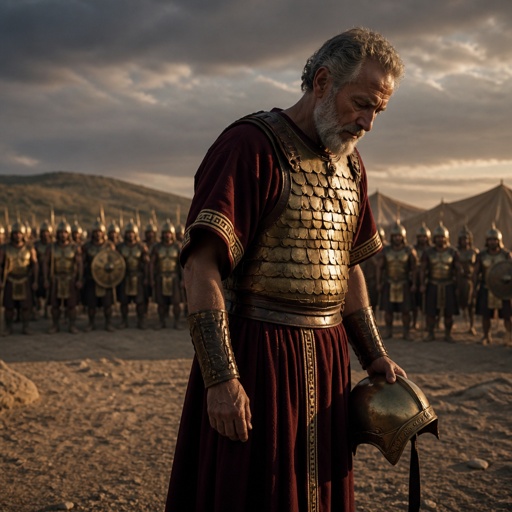
1 Samuel 13:14

2 Samuel 6:14

1 Samuel 11:14 - "Then said Samuel to the people, Come, and let us go to Gilgal, and renew the kingdom there."

"But if any man be ignorant, let him be ignorant." - 1 Corinthians 14:38
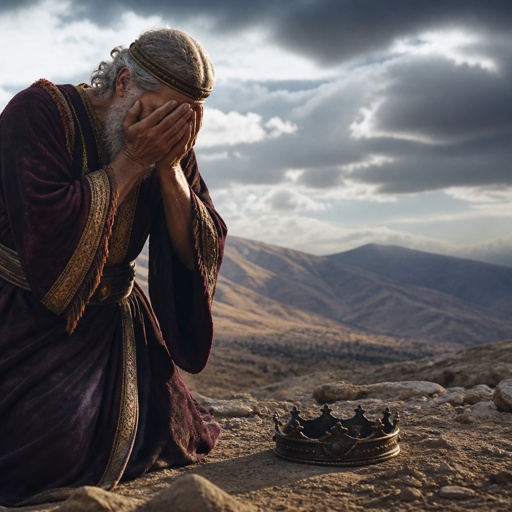
1 Samuel 13:13-14

1 Samuel 17:14 - "And David was the youngest: and the three eldest followed Saul."

1 Samuel 4:14-16

1 Samuel 15:14 - "And Samuel said, What meaneth then this bleating of the sheep in mine ears, and the lowing of the oxen which I hear?"

2 Samuel 23:38 - "Ira an Ithrite, Gareb an Ithrite,"

1 Samuel 14:51 - "And Kish was the father of Saul; and Ner the father of Abner was the son of Abiel."

1 Samuel 14:25 - "And all they of the land came to a wood; and there was honey upon the ground."

1 Samuel 9:14 - "And they went up into the city: and when they were come into the city, behold, Samuel came out against them, for to go up to the high place."

1 Samuel 19:14 - "And when Saul sent messengers to take David, she said, He is sick."

1 Samuel 14:46 - "Then Saul went up from following the Philistines: and the Philistines went to their own place."

2 Samuel 13:38 - "So Absalom fled, and went to Geshur, and was there three years."

1 Samuel 14:35 - "And Saul built an altar unto the LORD: the same was the first altar that he built unto the LORD."

1 Samuel 18:14 - "And David behaved himself wisely in all his ways; and the LORD was with him."

2 Samuel 14:1 - "Now Joab the son of Zeruiah perceived that the king's heart was toward Absalom."

Job 38:14 - "It is turned as clay to the seal; and they stand as a garment."

1 Samuel 16:14 - "¶ But the Spirit of the LORD departed from Saul, and an evil spirit from the LORD troubled him."