What does 1 Samuel 14:49 mean?
“Now the sons of Saul were Jonathan, and Ishui, and Melchi-shua: and the names of his two daughters were these; the name of the firstborn Merab, and the name of the younger Michal:” — 1 Samuel 14:49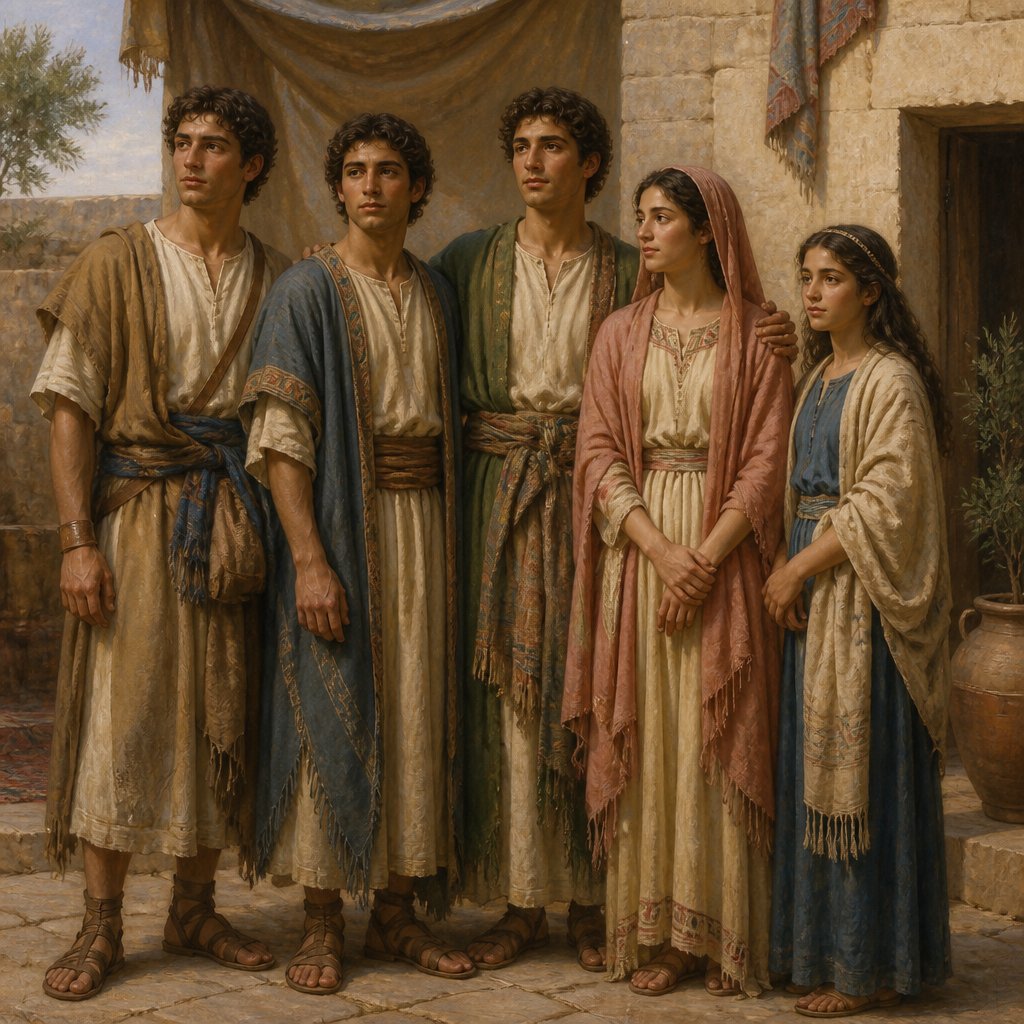
The verse 1 Samuel 14:49 in the King James Version of the Bible reads as follows: "Now the sons of Saul were Jonathan, and Ishui, and Melchishua: and the names of his two daughters were these; the name of the firstborn Merab, and the name of the younger Michal."
This verse is a seemingly simple genealogical statement detailing the offspring of King Saul, who was the first king of Israel. However, when examined in the context of the larger narrative of the book of 1 Samuel and the Bible as a whole, there are several themes, contexts, and symbolic elements that can be derived from this verse.
Firstly, the mention of Saul's children is significant in the context of the succession of the monarchy in Israel. Jonathan, Saul's son, plays a major role in the narrative of 1 Samuel as a loyal and brave warrior, as well as a close friend and ally of David, who would eventually become Saul's successor as king. This verse serves as a reminder of the royal lineage and the potential heirs to the throne of Israel, setting the stage for the political and familial dynamics that will unfold in the subsequent chapters of the book.
The names of Saul's daughters, Merab and Michal, also carry symbolic and thematic weight in the narrative. Merab is mentioned as the firstborn, and her name means "increase" or "multiplication." This could be interpreted as an indication of Saul's desire for his lineage to thrive and grow, an important concern for a king aiming to establish a lasting dynasty. Michal, on the other hand, means "who is like God," which can be seen as a statement of faith and a reminder of the divine authority that ultimately governs the fate of Saul's family and the nation of Israel.
Furthermore, the relationships and fates of Saul's children are integral to the larger themes of loyalty, betrayal, and divine providence that permeate the narrative of 1 Samuel. Jonathan's unwavering loyalty to David despite his father's hostility towards him serves as a powerful example of friendship and allegiance, while the eventual marriage of Michal to David and her role in helping him escape from Saul's pursuit highlights the complex and often conflicting loyalties within the royal family.
Additionally, the reference to Saul's children in this verse can be seen as part of the larger biblical motif of familial lineage and inheritance. Throughout the Bible, the genealogies of prominent figures such as kings, prophets, and leaders are meticulously recorded, emphasizing the importance of ancestral heritage and the fulfillment of divine promises through specific bloodlines. In the case of Saul's offspring, their names and roles in the narrative serve as a link to the wider history of Israel and the unfolding of God's plan for the nation.
In conclusion, 1 Samuel 14:49 may appear to be a simple listing of Saul's children, but when viewed in the context of the larger biblical narrative, it reveals rich thematic, symbolic, and contextual significance. The verse sheds light on the political succession, the familial dynamics, and the spiritual inheritance within the royal lineage of Israel, ultimately adding depth and complexity to the overarching themes of loyalty, divine providence, and the unfolding of God's plan for his chosen people.
Get our apps


Artwork for 1 Samuel 14:49

1 Samuel 14:49 - "Now the sons of Saul were Jonathan, and Ishui, and Melchi-shua: and the names of his two daughters were these; the name of the firstborn Merab, and the name of the younger Michal:"
"Now the sons of Saul were Jonathan, and Ishui, and Melchi-shua: and the names of his two daughters were these; the name of the firstborn Merab, and the name of the younger Michal:" - 1 Samuel 14:49

1 Samuel 17:49
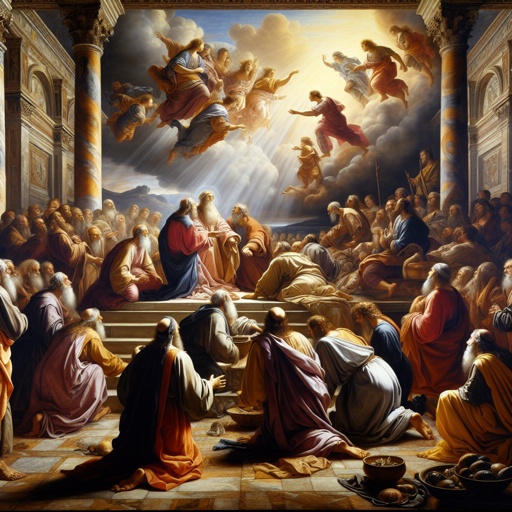
1 Samuel 17:49

1 Samuel 17:49

1 Samuel 17:49

1 Samuel 17:45-49

1 Samuel 17:49 – "David reached into his bag and took out a stone; he slung it and struck the Philistine on the forehead."

1 Samuel 17:49 – "David reached into his bag and took out a stone; he slung it and struck the Philistine on the forehead."

1 Samuel 17:49 – "David reached into his bag and took out a stone; he slung it and struck the Philistine on the forehead."
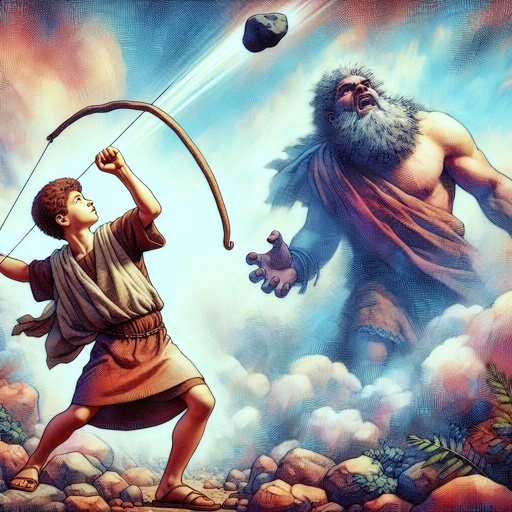
1 Samuel 17:49 – "David put his hand in his bag and took out a stone; he slung it and struck the Philistine on the forehead."

"And David put his hand in his bag, and took thence a stone, and slang it, and smote the Philistine in his forehead, that the stone sunk into his forehead; and he fell upon his face to the earth." - 1 Samuel 17:49

"And David put his hand in his bag, and took thence a stone, and slang it, and smote the Philistine in his forehead, that the stone sunk into his forehead; and he fell upon his face to the earth." - 1 Samuel 17:49

1 Samuel 14:6

1 Samuel 17:49 – "David reached into his bag and took out a stone; he slung it and struck the Philistine on the forehead."

1 Samuel 14:7

1 Samuel 14:27
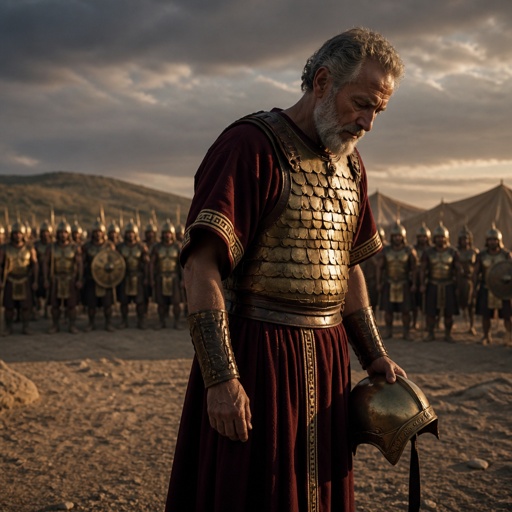
1 Samuel 13:14

2 Samuel 6:14

1 Samuel 11:14 - "Then said Samuel to the people, Come, and let us go to Gilgal, and renew the kingdom there."

1 Samuel 17:49 - "And David put his hand in his bag, and took thence a stone, and slang it, and smote the Philistine in his forehead, that the stone sunk into his forehead; and he fell upon his face to the earth."
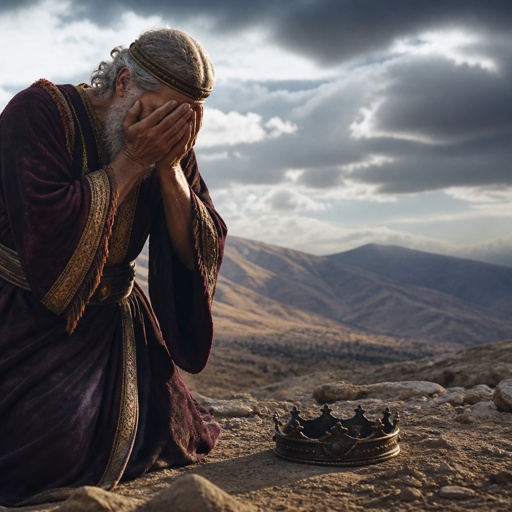
1 Samuel 13:13-14

1 Samuel 17:14 - "And David was the youngest: and the three eldest followed Saul."
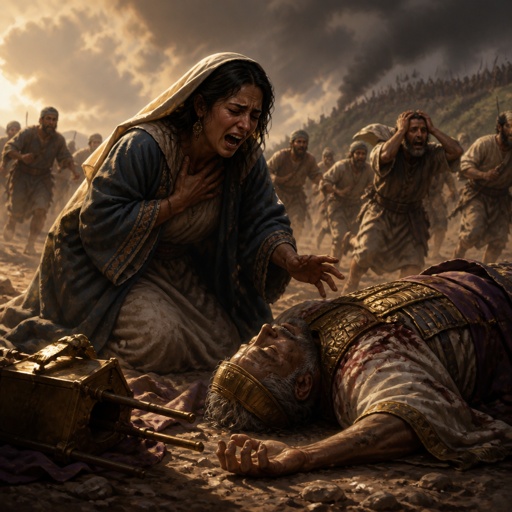
1 Samuel 4:14-16

1 Samuel 15:14 - "And Samuel said, What meaneth then this bleating of the sheep in mine ears, and the lowing of the oxen which I hear?"

Genesis 49:14 - "¶ Issachar is a strong ass couching down between two burdens:"

1 Samuel 14:51 - "And Kish was the father of Saul; and Ner the father of Abner was the son of Abiel."

1 Samuel 14:25 - "And all they of the land came to a wood; and there was honey upon the ground."
![And David put his hand in his bag, and took thence a stone, and slang [it], and smote the Philistine in his forehead, that the stone sunk into his forehead; and he fell upon his face to the earth.
1 Samuel 17:49](https://media.bible.art/0d8b48e2-4b6a-4abb-adb6-3e62bb7594c8-thumbnail.jpg)
And David put his hand in his bag, and took thence a stone, and slang [it], and smote the Philistine in his forehead, that the stone sunk into his forehead; and he fell upon his face to the earth. 1 Samuel 17:49

1 Samuel 9:14 - "And they went up into the city: and when they were come into the city, behold, Samuel came out against them, for to go up to the high place."