What does 1 Samuel 14:50 mean?
“And the name of Saul’s wife was Ahinoam, the daughter of Ahimaaz: and the name of the captain of his host was Abner, the son of Ner, Saul’s uncle.” — 1 Samuel 14:50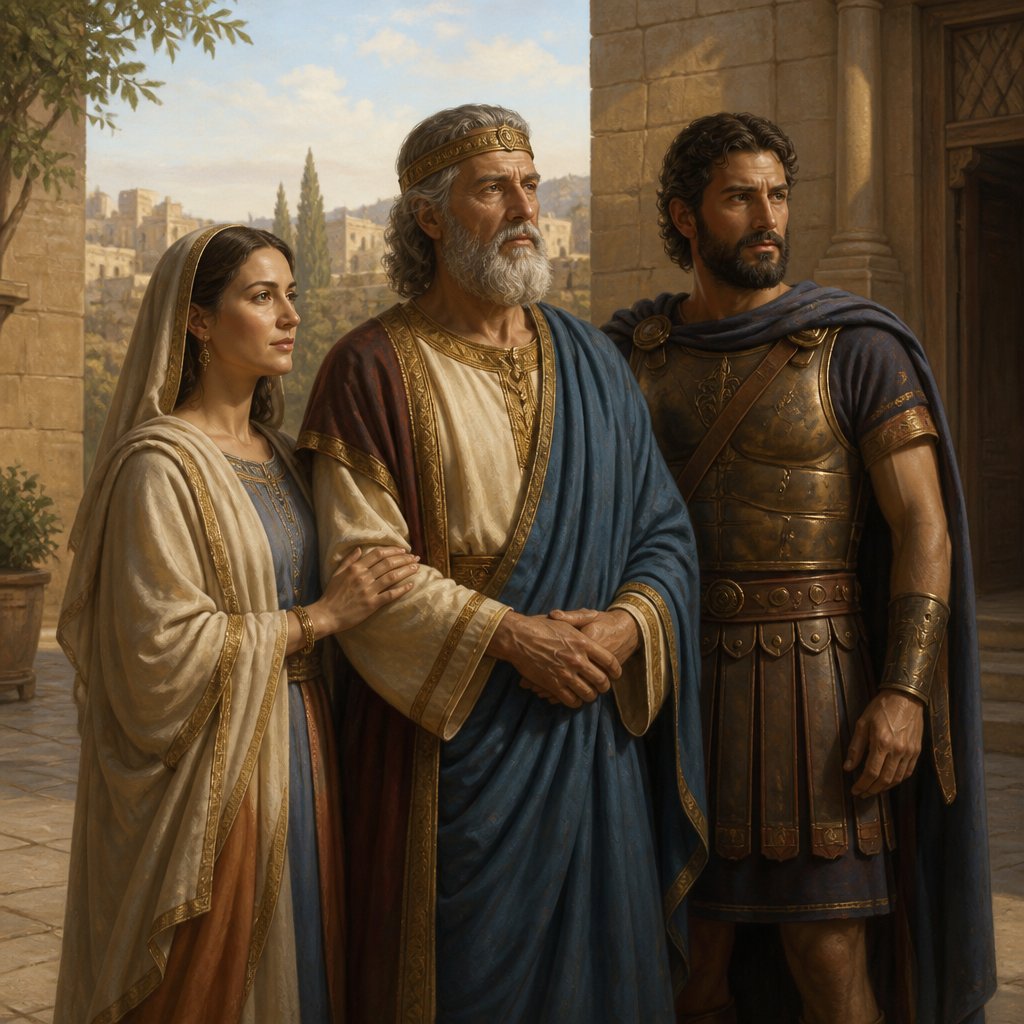
In (1 Samuel 14:50) we find the verse: "And the name of Saul's wife was Ahinoam, the daughter of Ahimaaz: and the name of the captain of his host was Abner, the son of Ner, Saul's uncle." This verse may seem like a simple listing of names, but it is significant in the context of the larger narrative of Saul’s reign as the first king of Israel.
To fully understand the significance of this verse, we should first look at the historical and literary context in which it is situated. The book of 1 Samuel in the Bible tells the story of the transition from the period of the judges to the monarchy in Israel. The central character in this book is Samuel, who anointed Saul as the first king of Israel at the request of the people. Saul was chosen by God, but his reign was marked by a series of failures and disobedience to God's commands.
In (1 Samuel 14:50), the mention of Saul's wife being Ahinoam, the daughter of Ahimaaz, and the captain of his host being Abner, the son of Ner, provides valuable insight into Saul's family and the structure of his army. Ahinoam’s name means "gracious," indicating that she may have been a woman of kindness and mercy, which could be seen as a contrast to Saul's often harsh and impulsive nature. The fact that she is mentioned here tells us that she was an essential part of Saul’s life and reign. The mention of Abner as the captain of Saul’s host reveals the military prowess and influence of Saul's uncle, Ner, within the kingdom.
Symbolically, the mention of Saul's wife and the captain of his host can also be seen as examples of the human element within the story of Saul's reign. It is a reminder that Saul was not just a king, but also a husband and a leader of an army. His family and his military were significant aspects of his rule.
The verse also serves as a reminder of the complex interpersonal relationships and dynamics within Saul’s kingdom. Ahinoam's familial background gives insight into potential alliances or relationships formed through marriage, and Abner’s position as the captain of Saul’s army indicates his influence and power within the kingdom. These relationships and alliances likely played a role in the political and military decisions made by Saul during his reign.
In a broader thematic context, this verse contributes to the larger theme of the complexities and challenges of human leadership. Saul's reign is marked by his struggle to lead the people of Israel in accordance with God's will. The presence of his wife and the captain of his host serves as a reminder that leadership is multifaceted, involving not just political rulership, but also personal relationships and military strategy.
From a theological perspective, Saul's reign and the mentioning of his family and military leaders can also be seen as a part of the larger narrative of God's sovereignty and human responsibility. Despite being anointed by God, Saul's reign was marked by his disobedience and failures. The mention of his family and military leaders serves as a reminder that human leadership is fallible and relies on God's guidance and grace.
In conclusion, (1 Samuel 14:50) may seem like a simple listing of names, but it holds significant meaning within the larger context of Saul's reign as the first king of Israel. It sheds light on the human and relational aspects of Saul's leadership, providing valuable insight into the complexities and challenges of ruling a kingdom. This verse serves as a reminder of the multifaceted nature of leadership and the importance of seeking God's guidance in all aspects of life.
Get our apps


Artwork for 1 Samuel 14:50

1 Samuel 14:50 - "And the name of Saul's wife was Ahinoam, the daughter of Ahimaaz: and the name of the captain of his host was Abner, the son of Ner, Saul's uncle."
"And the name of Saul's wife was Ahinoam, the daughter of Ahimaaz: and the name of the captain of his host was Abner, the son of Ner, Saul's uncle." - 1 Samuel 14:50

1 Samuel 17:50 - "So David prevailed over the Philistine with a sling and with a stone, and smote the Philistine, and slew him; but there was no sword in the hand of David."

Mark 14:50 - "And they all forsook him, and fled."

1 Samuel 14:6

1 Samuel 14:7

1 Samuel 14:27
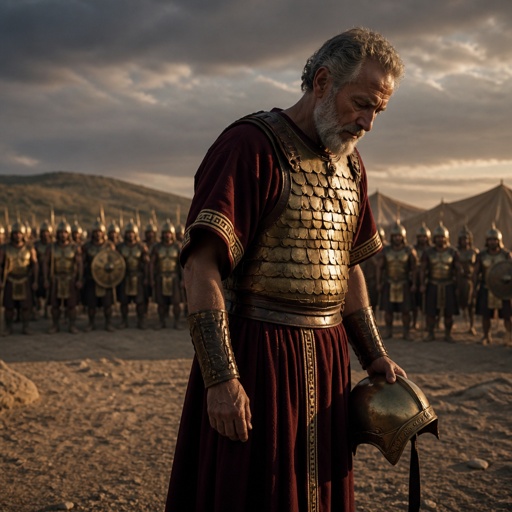
1 Samuel 13:14

2 Samuel 6:14

1 Samuel 11:14 - "Then said Samuel to the people, Come, and let us go to Gilgal, and renew the kingdom there."

1 Samuel 17:50 - "So David prevailed over the Philistine with a sling and with a stone, and smote the Philistine, and slew him; but there was no sword in the hand of David."
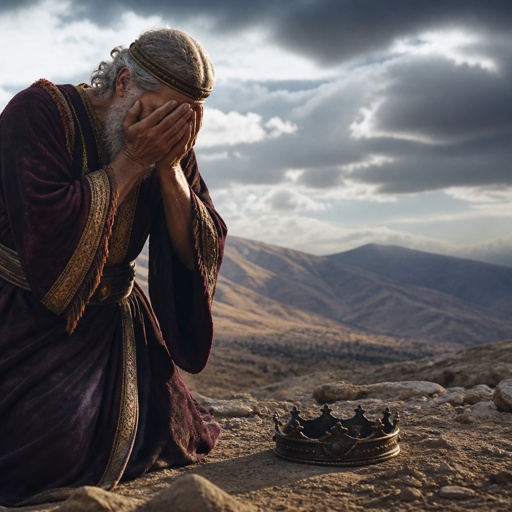
1 Samuel 13:13-14

1 Samuel 17:14 - "And David was the youngest: and the three eldest followed Saul."

1 Samuel 4:14-16

1 Samuel 15:14 - "And Samuel said, What meaneth then this bleating of the sheep in mine ears, and the lowing of the oxen which I hear?"

Psalms 50:14 - "Offer unto God thanksgiving; and pay thy vows unto the most High:"

1 Samuel 14:51 - "And Kish was the father of Saul; and Ner the father of Abner was the son of Abiel."

1 Samuel 14:25 - "And all they of the land came to a wood; and there was honey upon the ground."

"And they all forsook him, and fled." - Mark 14:50

Leviticus 14:50 - "And he shall kill the one of the birds in an earthen vessel over running water:"

1 Samuel 9:14 - "And they went up into the city: and when they were come into the city, behold, Samuel came out against them, for to go up to the high place."

Luke 7:50

Luke 7:50

1 Samuel 19:14 - "And when Saul sent messengers to take David, she said, He is sick."

1 Samuel 14:46 - "Then Saul went up from following the Philistines: and the Philistines went to their own place."

1 Samuel 14:35 - "And Saul built an altar unto the LORD: the same was the first altar that he built unto the LORD."

1 Samuel 18:14 - "And David behaved himself wisely in all his ways; and the LORD was with him."

2 Samuel 14:1 - "Now Joab the son of Zeruiah perceived that the king's heart was toward Absalom."

1 Samuel 16:14 - "¶ But the Spirit of the LORD departed from Saul, and an evil spirit from the LORD troubled him."

1 Samuel 14:42 - "And Saul said, Cast lots between me and Jonathan my son. And Jonathan was taken."