What does 1 Samuel 17:27 mean?
“And the people answered him after this manner, saying, So shall it be done to the man that killeth him.” — 1 Samuel 17:27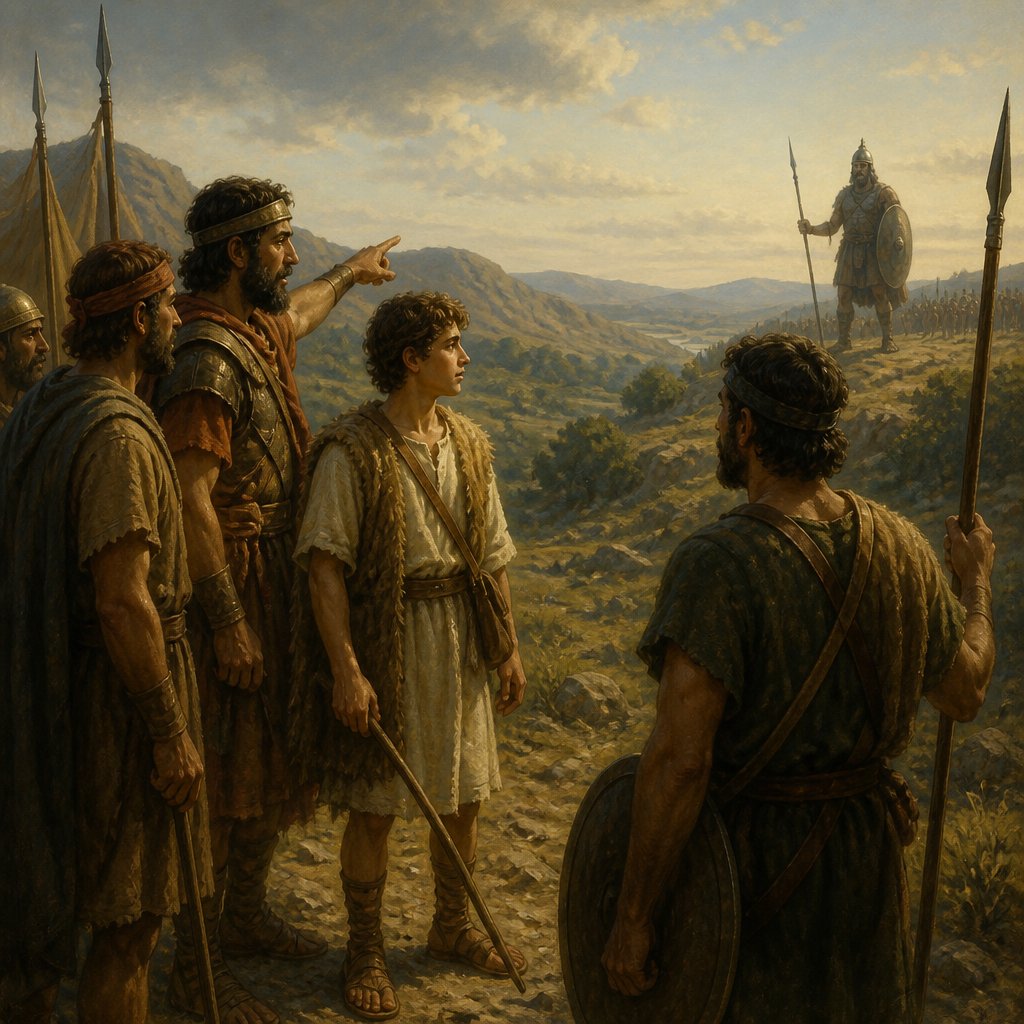
The verse 1 Samuel 17:27 from the King James Version (KJV) of the Bible reads, "And the people answered him after this manner, saying, So shall it be done to the man that killeth him." This verse is part of the well-known story of David and Goliath, which is one of the most famous and often-taught stories in the Bible. To understand the full meaning and significance of this verse, it is important to first examine the context in which it is situated.
The story of David and Goliath takes place during a time of conflict between the Israelites and the Philistines. The Philistines had gathered their armies for war and were facing off against the Israelites in the Valley of Elah. The two armies were at a stalemate, with neither side willing to engage in direct combat. This standoff was in part due to the presence of Goliath, a giant of a man and a champion of the Philistine army. Goliath stood over nine feet tall and was heavily armored, striking terror into the hearts of the Israelites.
In the midst of this standoff, a young shepherd boy named David stepped forward and offered to fight Goliath. Despite being a mere shepherd and having no formal combat training, David's faith in God and his courage propelled him to face the seemingly insurmountable challenge. In 1 Samuel 17:27, the verse captures the response of the people to David's bold declaration of facing Goliath. They essentially agreed that the reward promised by King Saul for anyone who defeated Goliath would be granted to the one who killed him.
The verse 1 Samuel 17:27 demonstrates the prevailing attitude of the Israelites at that time. It showcases their reliance on earthly rewards and material gains. Instead of focusing on the spiritual implications of the battle at hand, the people were more concerned about the tangible rewards they could potentially receive. This speaks to the larger theme of faith and trust in God's providence and ability to deliver His people in times of trial. The Israelites' emphasis on material rewards also serves as a contrast to David's unwavering faith in God and his willingness to fight Goliath solely out of his trust in God's power and deliverance.
The verse also highlights the underlying theme of bravery and courage in the face of overwhelming odds. David's resolve to confront Goliath serves as a powerful example of standing up against adversity and putting one's trust in God's strength, rather than relying on one's own abilities or the strength of worldly rewards. This theme continues to resonate with readers today, as it encourages them to face their own giants and challenges with faith and courage, knowing that God is with them.
Another important aspect of this verse is the symbolism found within the story of David and Goliath. Goliath represents the formidable challenges and obstacles that people encounter in their lives. These challenges can seem insurmountable and can cause fear and doubt to creep into our hearts. On the other hand, David symbolizes the underdog, the unlikely hero who, through his faith and courage, overcomes the seemingly impossible. This symbolism serves as a source of inspiration for readers, reminding them that with God's help, they can conquer their own "Goliaths" and triumph over adversity.
In conclusion, 1 Samuel 17:27 holds significant meaning within the larger story of David and Goliath. It encapsulates the prevailing attitude of the Israelites at that time, emphasizes the themes of faith, trust, and courage, and provides powerful symbolism for readers to draw upon. This verse continues to inspire and encourage individuals to face their own challenges with unwavering faith and to trust in God's ability to overcome all obstacles.
Get our apps


Artwork for 1 Samuel 17:27

1 Samuel 17:27 - "And the people answered him after this manner, saying, So shall it be done to the man that killeth him."
"And the people answered him after this manner, saying, So shall it be done to the man that killeth him." - 1 Samuel 17:27

2 Samuel 1. 17-27

1 Samuel 14:27

1 Samuel 20:27-29

1 Samuel 10:17 - "¶ And Samuel called the people together unto the LORD to Mizpeh;"

1 Samuel 17:33
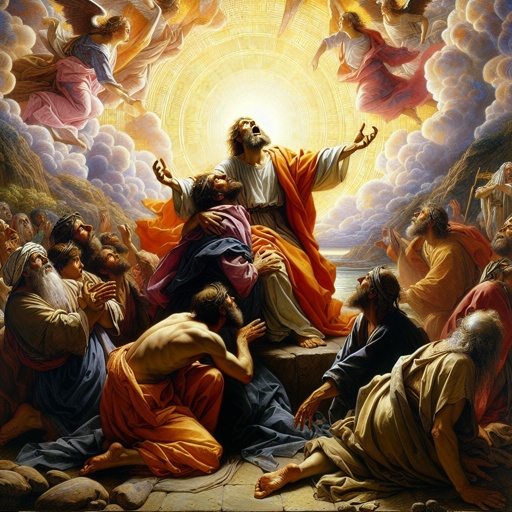
1 Samuel 20:27-30

1 Samuel 1:15-17

1 Samuel 15:27 - "And as Samuel turned about to go away, he laid hold upon the skirt of his mantle, and it rent."

2 Samuel 1:27 - "How are the mighty fallen, and the weapons of war perished!"

1 Samuel 17:34-35

1 Samuel 17:49

1 Samuel 17:45

1 Samuel 17:49

1 Samuel 17:45
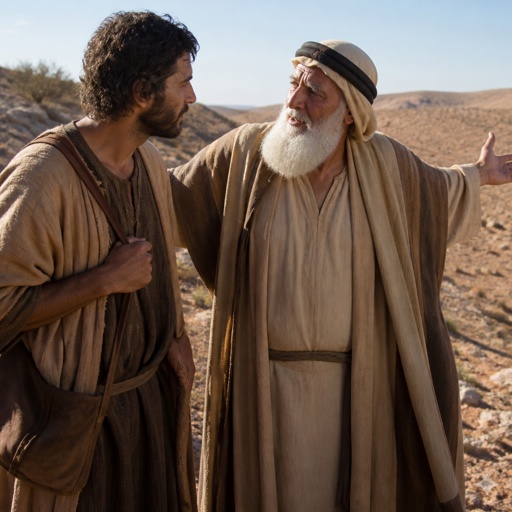
1 Samuel 9:17
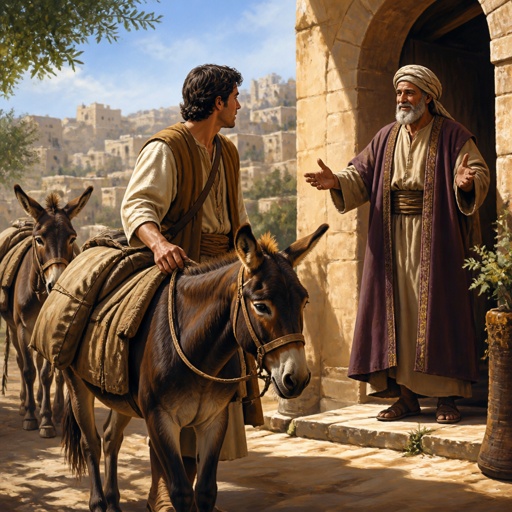
1 Samuel 9:17

1 samuel 17:3

1 Samuel 17:49

1 Samuel 17:45
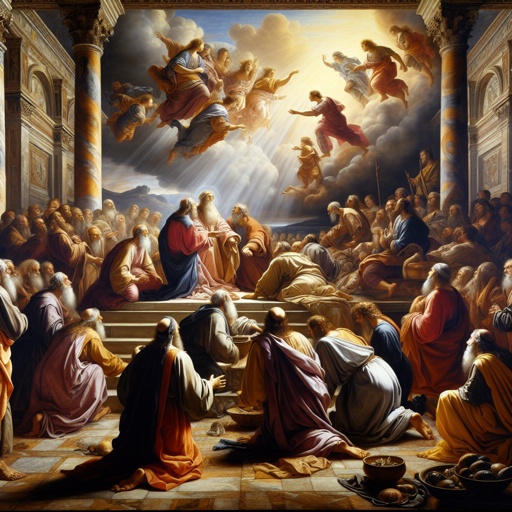
1 Samuel 17:49

1 Chronicles 27:17 - "Of the Levites, Hashabiah the son of Kemuel: of the Aaronites, Zadok:"

2 Samuel 17:27 - "¶ And it came to pass, when David was come to Mahanaim, that Shobi the son of Nahash of Rabbah of the children of Ammon, and Machir the son of Ammiel of Lo-debar, and Barzillai the Gileadite of Rogelim,"

1 Samuel 27:4 - "And it was told Saul that David was fled to Gath: and he sought no more again for him."
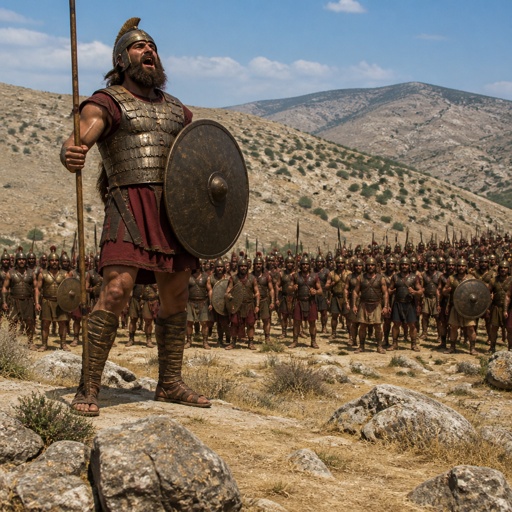
1 Samuel 17:4-8

1 Samuel 1:27 - "For this child I prayed; and the LORD hath given me my petition which I asked of him:"

1 Samuel 27:7 - "And the time that David dwelt in the country of the Philistines was a full year and four months."
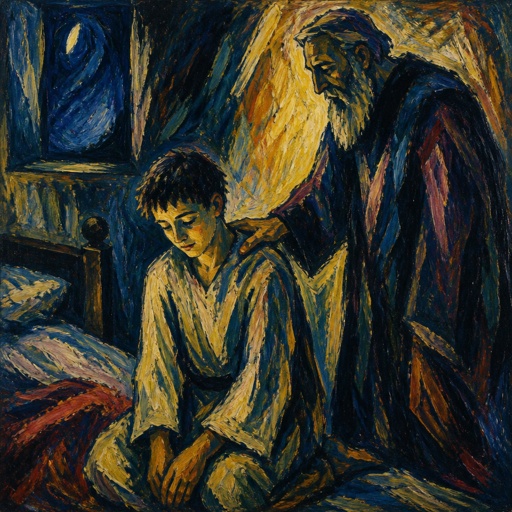
1 Samuel 3:17-18

1 Samuel 17:38-40