What does 1 Samuel 17:33 mean?
“And Saul said to David, Thou art not able to go against this Philistine to fight with him: for thou art but a youth, and he a man of war from his youth.” — 1 Samuel 17:33
The verse 1 Samuel 17:33 from the King James Version (KJV) of the Bible states:
"And Saul said to David, Thou art not able to go against this Philistine to fight with him: for thou art but a youth, and he a man of war from his youth."
This verse is part of the famous story of David and Goliath, one of the most well-known and often-told stories in the Bible. The story takes place in the context of the ongoing conflict between the Israelites and the Philistines. Goliath, a giant from the Philistine army, challenges the Israelites to send out a champion to fight him in single combat. The Israelites are terrified and none of them are willing to face Goliath, until a young shepherd named David volunteers to take on the giant.
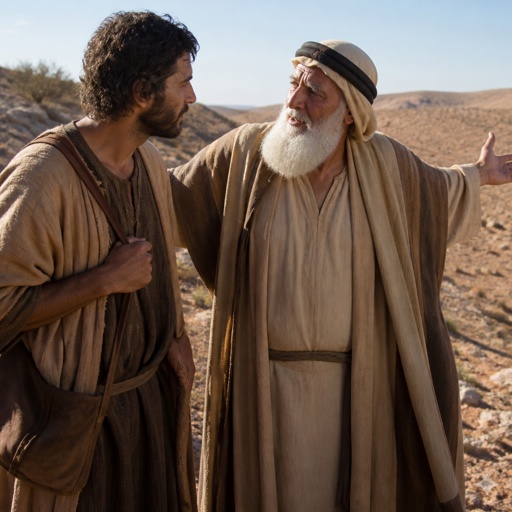
In this particular verse, King Saul, who was the ruler of Israel at the time, is expressing his doubts about David's ability to face Goliath. He points out David's youth and inexperience, and contrasts it with Goliath's years of training and experience as a warrior. Saul's disbelief in David's capabilities reflects the conventional wisdom of the time, which would consider a young shepherd no match for a seasoned warrior like Goliath.
The theme of David and Goliath is a classic underdog story, which is why it resonates with so many people. It teaches us that courage, faith, and God's favor can empower the weak to triumph over the strong. David's willingness to take on Goliath despite his age and lack of experience demonstrates his unwavering faith in God and his belief that with God's help, anything is possible.
On a deeper level, this verse also highlights the importance of not judging someone based on outward appearances or societal norms. David's bravery and trust in God's strength allow him to defy the expectations of others and accomplish the seemingly impossible.
Furthermore, the contrast between David's youth and Goliath's experience can be seen as a metaphor for the power of faith over worldly strength. Goliath may have been physically imposing and experienced in warfare, but David's faith and trust in God ultimately lead to his victory.
The symbolism in this verse is also significant. David's status as a shepherd, a humble and lowly profession, highlights his unlikely rise to greatness. Throughout the Bible, shepherds are often used as symbols of leadership and care, and David's background as a shepherd foreshadows his future as a great king of Israel.
In addition, the relationship between David and Saul is also important to consider in this verse. Saul, initially skeptical of David, later becomes jealous of David's rising popularity and potential. This ultimately leads to a strained and destructive relationship between the two, as David's success causes Saul to see him as a threat. This foreshadows the complex and often tragic relationships between leaders and their successors throughout the Bible and history.
In conclusion, 1 Samuel 17:33 is a crucial part of the larger narrative of David and Goliath. It highlights the themes of faith, bravery, and the power of God's favor over worldly strength. It also challenges societal expectations and serves as a reminder that God's strength is often revealed in unexpected places. The story of David and Goliath continues to inspire and teach valuable lessons about courage and humility, and the verse itself reflects these timeless themes in a profound and compelling way.
Get our apps


Artwork for 1 Samuel 17:33

1 Samuel 17:33

1 Samuel 17:33 - "And Saul said to David, Thou art not able to go against this Philistine to fight with him: for thou art but a youth, and he a man of war from his youth."

"And Saul said to David, Thou art not able to go against this Philistine to fight with him: for thou art but a youth, and he a man of war from his youth." - 1 Samuel 17:33

1 Samuel 15:33 - "And Samuel said, As thy sword hath made women childless, so shall thy mother be childless among women. And Samuel hewed Agag in pieces before the LORD in Gilgal."

1 Samuel 10:17 - "¶ And Samuel called the people together unto the LORD to Mizpeh;"

1 Samuel 1:15-17

1 Samuel 17:34-35

1 Samuel 17:49

1 Samuel 17:45

1 Samuel 17:49

1 Samuel 17:45
1 Samuel 9:17
1 Samuel 9:17

1 samuel 17:3

1 Samuel 17:49

1 Samuel 17:45
1 Samuel 17:49

1 Samuel 20:33 - "And Saul cast a javelin at him to smite him: whereby Jonathan knew that it was determined of his father to slay David."
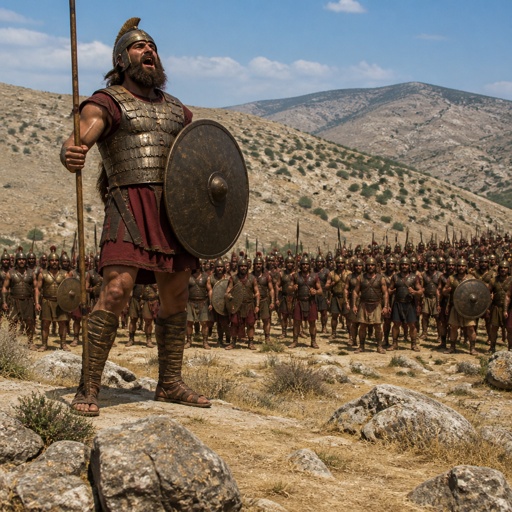
1 Samuel 17:4-8

2 Samuel 1. 17-27
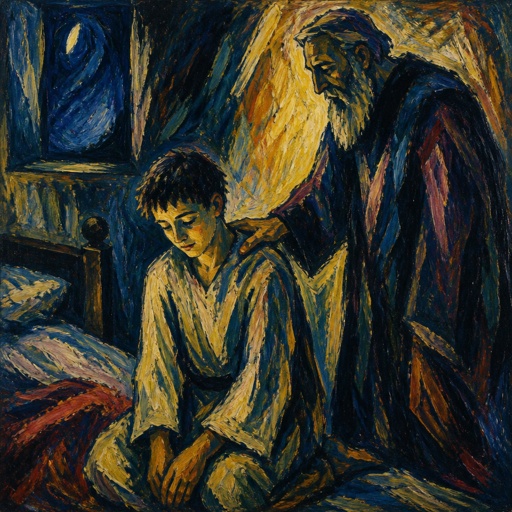
1 Samuel 3:17-18

1 Samuel 17:38-40

1 Samuel 17:14 - "And David was the youngest: and the three eldest followed Saul."

1 Samuel 17:45-49

1 Samuel 17:56 - "And the king said, Enquire thou whose son the stripling is."

1 Samuel 9:17 - "And when Samuel saw Saul, the LORD said unto him, Behold the man whom I spake to thee of! this same shall reign over my people."

2 Samuel 1:17 - "¶ And David lamented with this lamentation over Saul and over Jonathan his son:"

1 Samuel 17:29 - "And David said, What have I now done? Is there not a cause?"

1 Samuel 17:19 - "Now Saul, and they, and all the men of Israel, were in the valley of Elah, fighting with the Philistines."

"¶ And Samuel called the people together unto the LORD to Mizpeh;" - 1 Samuel 10:17