What does 1 Samuel 2:27 mean?
“And there came a man of God unto Eli, and said unto him, Thus saith the LORD, Did I plainly appear unto the house of thy father, when they were in Egypt in Pharaoh’s house?” — 1 Samuel 2:27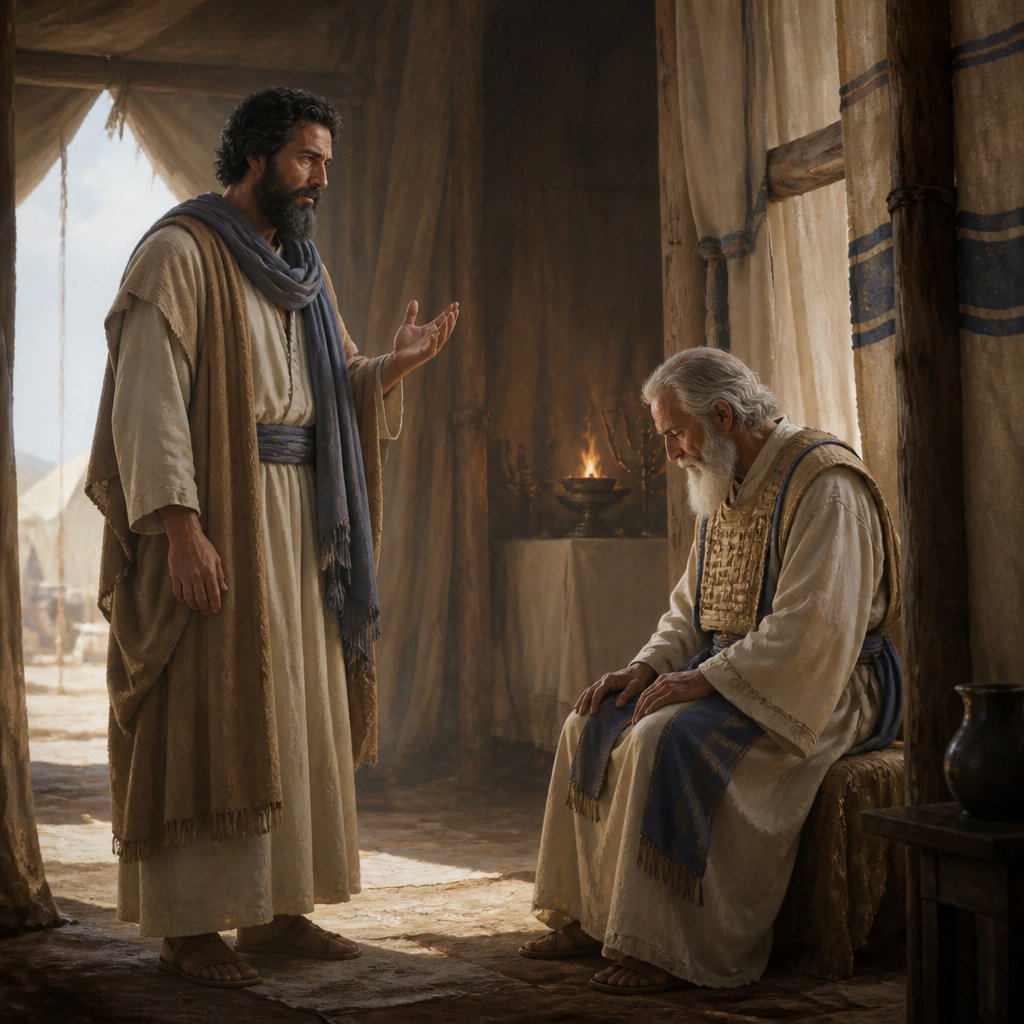
The verse 1 Samuel 2:27 from the King James Version of the Bible reads, "And there came a man of God unto Eli, and said unto him, Thus saith the Lord, Did I plainly appear unto the house of thy father, when they were in Egypt in Pharaoh's house?" This verse is part of a larger passage that tells the story of the prophet Samuel's upbringing and his calling by God to be a voice for the Israelites.
To fully understand the meaning and context of this verse, it is important to examine the larger narrative in which it appears. The book of 1 Samuel is set during a turbulent period in Israel's history, as the nation transitions from being led by judges to being ruled by kings. In this particular verse, the focus is on Eli, a priest of Israel, who is confronted by a man of God who delivers a message from the Lord.
The verse begins with the introduction of the man of God, who is not named but is clearly a messenger sent by the Lord. The fact that he is described as a "man of God" indicates that he is a figure of authority and is someone who is considered to speak on behalf of the divine. This sets the stage for the weight and importance of the message he delivers to Eli.
The message itself is a reminder from the Lord to Eli about the faithfulness and presence of God throughout the history of Israel. The specific reference to the time when the house of Eli's father was in Egypt in Pharaoh's house serves as a reminder of God's providence and protection over the Israelites even during their time of oppression and enslavement. This reminder is meant to convey the idea that God has always been present and active in the lives of his people, and that his faithfulness and commitment to them extend throughout generations.
The context of this verse is crucial to understanding its significance. Eli is a central figure in the early chapters of 1 Samuel, serving as both a priest and a judge in Israel. However, he is depicted as a flawed and ineffective leader, particularly in his failure to discipline his sons who are also serving as priests and are corrupt and disobedient. The message from the man of God can be seen as both a reprimand and a warning for Eli, highlighting his failure to uphold the standards of righteousness and faithfulness required of a leader in Israel.
The themes present in this verse are multifaceted and rich in meaning. Firstly, the verse emphasizes the sovereignty and faithfulness of God. The reminder of God's presence and intervention in the history of Israel serves to underscore the idea that God is actively involved in the lives of his people and is faithful to fulfill his promises to them. This theme of God's faithfulness is a recurring motif throughout the Bible, and this verse is a powerful example of its expression.
Additionally, the verse also touches on the theme of leadership and responsibility. Eli is held accountable for his failure to govern his household and to uphold the standards of righteousness and justice, particularly in the context of his role as a spiritual leader. This theme serves as a cautionary tale about the consequences of unchecked corruption and moral laxity in positions of authority, as well as the duty of leaders to act with integrity and obedience to God's commands.
Symbolism in this verse is primarily derived from the figure of the man of God as a representative of divine authority. His presence and message serve as a symbol of God's unwavering commitment to hold his people accountable for their actions and to call them to repentance and righteousness. The reference to the house of Eli's father in Egypt also serves as a symbol of the Israelites' history of oppression and deliverance, pointing to God's consistent presence and intervention on behalf of his people.
In conclusion, 1 Samuel 2:27 presents a powerful and thought-provoking message about God's faithfulness, the responsibilities of leadership, and the consequences of moral failure. It serves as both a reminder of God's enduring presence throughout history and a warning about the importance of personal and communal righteousness. The verse's themes and symbolism contribute to its rich and complex meaning, making it a significant and impactful passage in the biblical narrative.
Get our apps


Artwork for 1 Samuel 2:27

1 Samuel 2:27 - "¶ And there came a man of God unto Eli, and said unto him, Thus saith the LORD, Did I plainly appear unto the house of thy father, when they were in Egypt in Pharaoh's house?"
"¶ And there came a man of God unto Eli, and said unto him, Thus saith the LORD, Did I plainly appear unto the house of thy father, when they were in Egypt in Pharaoh's house?" - 1 Samuel 2:27

1 Samuel 2:7 - "The LORD maketh poor, and maketh rich: he bringeth low, and lifteth up."

2 Samuel 1. 17-27

2 Samuel 1:27 - "How are the mighty fallen, and the weapons of war perished!"

"The LORD maketh poor, and maketh rich: he bringeth low, and lifteth up." - 1 Samuel 2:7

"How are the mighty fallen, and the weapons of war perished!" - 2 Samuel 1:27

1 Samuel 27:2 - "And David arose, and he passed over with the six hundred men that were with him unto Achish, the son of Maoch, king of Gath."

1 Samuel 14:27

2 Samuel 23:27 - "Abiezer the Anethothite, Mebunnai the Hushathite,"

1 Samuel 20:27-29
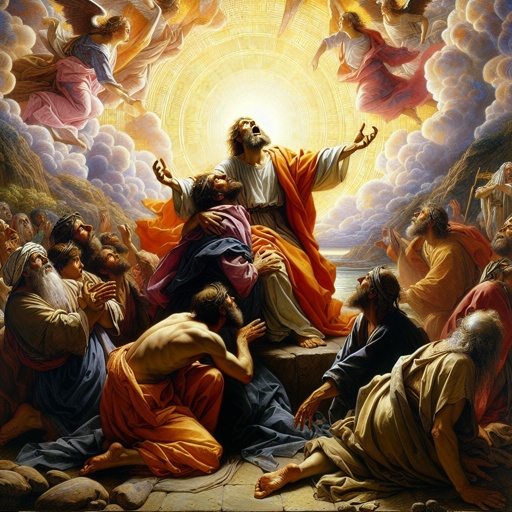
1 Samuel 20:27-30

1 Samuel 15:27 - "And as Samuel turned about to go away, he laid hold upon the skirt of his mantle, and it rent."

1 Samuel 2:12

1 Samuel 27:4 - "And it was told Saul that David was fled to Gath: and he sought no more again for him."

2 Samuel 2:27 - "And Joab said, As God liveth, unless thou hadst spoken, surely then in the morning the people had gone up every one from following his brother."

1 Samuel 1:27 - "For this child I prayed; and the LORD hath given me my petition which I asked of him:"

1 Samuel 27:7 - "And the time that David dwelt in the country of the Philistines was a full year and four months."

2 Samuel 13:27 - "But Absalom pressed him, that he let Amnon and all the king's sons go with him."

"Abiezer the Anethothite, Mebunnai the Hushathite," - 2 Samuel 23:27

2 Samuel 22:27 - "With the pure thou wilt shew thyself pure; and with the froward thou wilt shew thyself unsavoury."

1 Samuel 23:27 - "¶ But there came a messenger unto Saul, saying, Haste thee, and come; for the Philistines have invaded the land."

2 Samuel 12:27 - "And Joab sent messengers to David, and said, I have fought against Rabbah, and have taken the city of waters."

1 Samuel 17:27 - "And the people answered him after this manner, saying, So shall it be done to the man that killeth him."

1 John 2:27

2 Samuel 14:27 - "And unto Absalom there were born three sons, and one daughter, whose name was Tamar: she was a woman of a fair countenance."

1 John 2:27

1 John 2:27

1 Samuel 27:6 - "Then Achish gave him Ziklag that day: wherefore Ziklag pertaineth unto the kings of Judah unto this day."

1 John 2:27