What does 1 Samuel 2:35 mean?
“And I will raise me up a faithful priest, that shall do according to that which is in mine heart and in my mind: and I will build him a sure house; and he shall walk before mine anointed for ever.” — 1 Samuel 2:35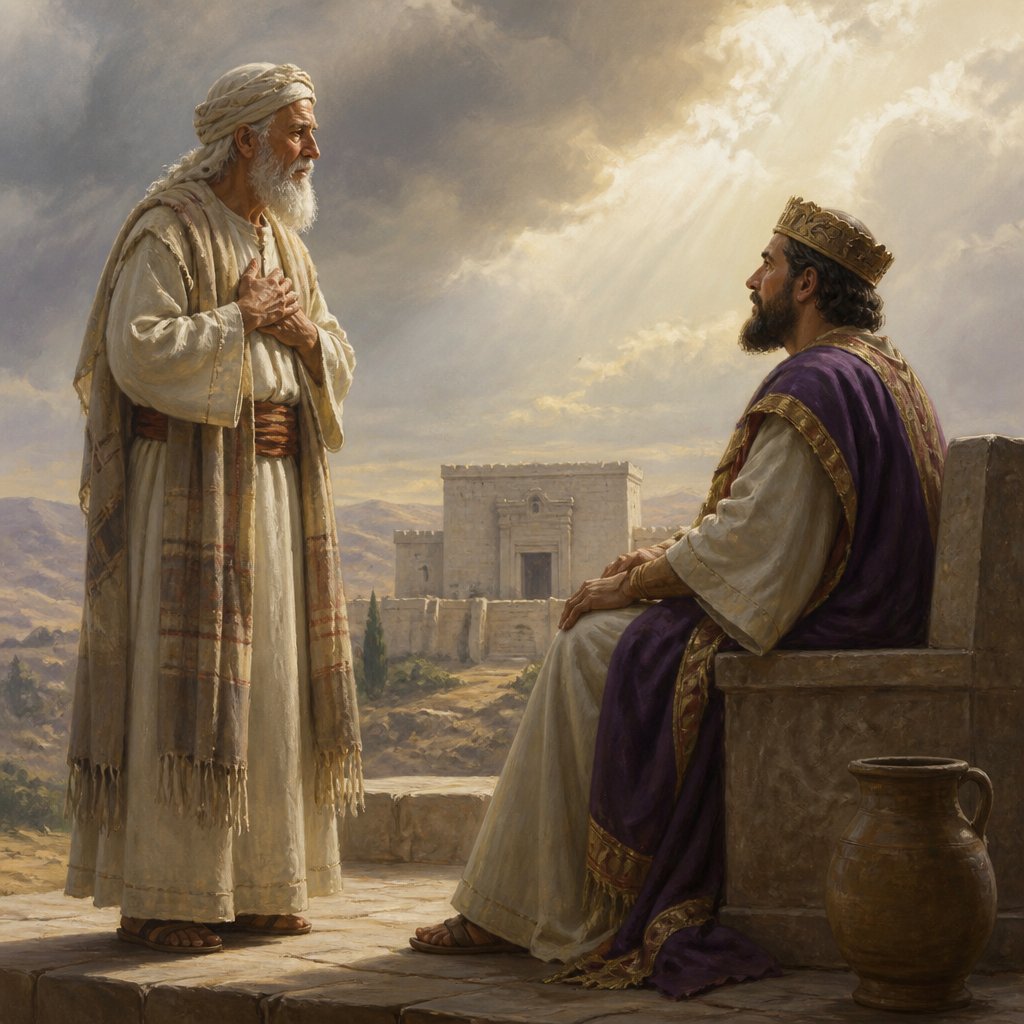
In the book of 1 Samuel, the story of Hannah, a woman who prayed fervently for a child, is recounted. Through divine intervention, she bore a son named Samuel, whom she dedicated to the Lord's service. In 1 Samuel 2:35, the Lord speaks through the prophet Samuel, telling Eli the high priest that He will raise up a faithful priest who will do according to all that is in God's heart and mind. This verse reflects themes of faithfulness, obedience, and the consequences of disobedience to God's will.
The context of 1 Samuel 2:35 is crucial in understanding its meaning. Eli, the high priest at that time, had two sons, Hophni and Phinehas, who were corrupt and engaged in sinful practices as priests. Their actions, including stealing offerings and having sexual relations with the women who served at the entrance of the tabernacle, were grievous in the eyes of God. Eli was aware of his sons' wrongdoing but did not take decisive action to correct them. As a result, God pronounced judgment upon Eli's household, declaring that both of his sons would die on the same day, and that his descendants would be cut off from the priesthood.
In the midst of this judgment, 1 Samuel 2:35 offers a glimmer of hope and promise. The Lord declares that He will raise up a faithful priest who will demonstrate wholehearted commitment to God's will. This promise reflects God's faithfulness in raising up leaders who will honor and serve Him with integrity. The contrast between the corrupt priesthood of Eli's sons and the faithful priest that God will raise up serves as a reminder of the importance of obedience and faithfulness in fulfilling the duties of one's calling.
The symbolism in 1 Samuel 2:35 lies in the contrast between faithful and unfaithful priesthood. The corrupt actions of Hophni and Phinehas symbolize moral and spiritual decay within the leadership of God's chosen people. Their abuse of their priestly role and their lack of reverence for God's laws represent a departure from the sacred and holy responsibilities entrusted to them. In contrast, the faithful priest that God will raise up represents a restoration of honor and integrity to the priesthood, reflecting God's desire for His chosen servants to uphold His standards with humility and faithfulness.
The verse also highlights the importance of God's sovereignty and faithfulness in fulfilling His purposes. Despite the failings of Eli's household, God assures that He will raise up a faithful priest according to His own heart, emphasizing that His plans are not thwarted by the shortcomings of individuals. This reaffirms the overarching theme of God's faithfulness and His ability to bring about redemption and renewal despite the presence of human sinfulness.
In conclusion, 1 Samuel 2:35 conveys a message of God's faithfulness, righteousness, and the consequences of obedience and disobedience. It serves as a reminder of the importance of upholding the responsibilities and duties entrusted by God with integrity and reverence. The verse also underscores God's sovereignty in fulfilling His purposes, even in the midst of human failings. Ultimately, 1 Samuel 2:35 points to the redemptive nature of God's plans and His unwavering commitment to raise up faithful servants who will honor and serve Him according to His heart and will.
Get our apps


Artwork for 1 Samuel 2:35

1 Samuel 2:35 - "And I will raise me up a faithful priest, that shall do according to that which is in mine heart and in my mind: and I will build him a sure house; and he shall walk before mine anointed for ever."
"And I will raise me up a faithful priest, that shall do according to that which is in mine heart and in my mind: and I will build him a sure house; and he shall walk before mine anointed for ever." - 1 Samuel 2:35

1 Samuel 17:34-35

2 Samuel 23:35 - "Hezrai the Carmelite, Paarai the Arbite,"

1 Samuel 15:35 - "And Samuel came no more to see Saul until the day of his death: nevertheless Samuel mourned for Saul: and the LORD repented that he had made Saul king over Israel."

2 Samuel 22:35 - "He teacheth my hands to war; so that a bow of steel is broken by mine arms."

1 Samuel 14:35 - "And Saul built an altar unto the LORD: the same was the first altar that he built unto the LORD."

"Hezrai the Carmelite, Paarai the Arbite," - 2 Samuel 23:35

2 Samuel 13:35 - "And Jonadab said unto the king, Behold, the king's sons come: as thy servant said, so it is."

1 Samuel 20:35 - "¶ And it came to pass in the morning, that Jonathan went out into the field at the time appointed with David, and a little lad with him."

1 Samuel 2:12

2 Samuel 15:35 - "And hast thou not there with thee Zadok and Abiathar the priests? therefore it shall be, that what thing soever thou shalt hear out of the king's house, thou shalt tell it to Zadok and Abiathar the priests."

"He teacheth my hands to war; so that a bow of steel is broken by mine arms." - 2 Samuel 22:35

2 Chronicles 35:18 - "And there was no passover like to that kept in Israel from the days of Samuel the prophet; neither did all the kings of Israel keep such a passover as Josiah kept, and the priests, and the Levites, and all Judah and Israel that were present, and the inhabitants of Jerusalem."

1 Samuel 2:26 - "And the child Samuel grew on, and was in favour both with the LORD, and also with men."

1 Samuel 2:18 - "¶ But Samuel ministered before the LORD, being a child, girded with a linen ephod."

1 Samuel 9:1-2

"And Saul built an altar unto the LORD: the same was the first altar that he built unto the LORD." - 1 Samuel 14:35

1 Samuel 17:35 - "And I went out after him, and smote him, and delivered it out of his mouth: and when he arose against me, I caught him by his beard, and smote him, and slew him."

1 Chronicles 2:35 - "And Sheshan gave his daughter to Jarha his servant to wife; and she bare him Attai."

"And Samuel came no more to see Saul until the day of his death: nevertheless Samuel mourned for Saul: and the LORD repented that he had made Saul king over Israel." - 1 Samuel 15:35

2 Samuel 3:35 - "And when all the people came to cause David to eat meat while it was yet day, David sware, saying, So do God to me, and more also, if I taste bread, or ought else, till the sun be down."

2 Chronicles 35:1 - "Moreover Josiah kept a passover unto the LORD in Jerusalem: and they killed the passover on the fourteenth day of the first month."

"And Jonadab said unto the king, Behold, the king's sons come: as thy servant said, so it is." - 2 Samuel 13:35

2 Samuel 7:1–29

2 Samuel 24:22

2 Samuel 6:14

2 Samuel 24:22

2 Samuel 24:22
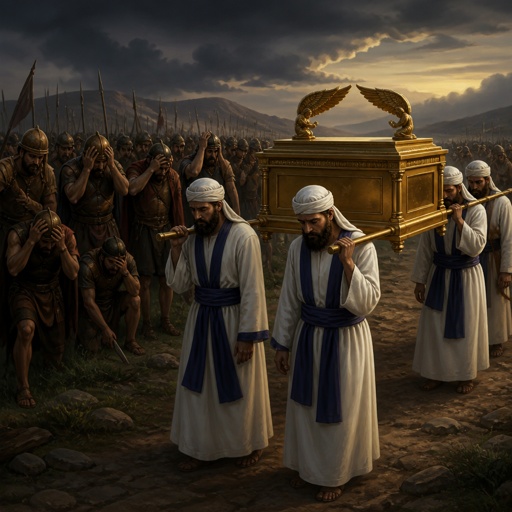
1 Samuel 4:2