What does 1 Samuel 26:15 mean?
“And David said to Abner, Art not thou a valiant man? and who is like to thee in Israel? wherefore then hast thou not kept thy lord the king? for there came one of the people in to destroy the king thy lord.” — 1 Samuel 26:15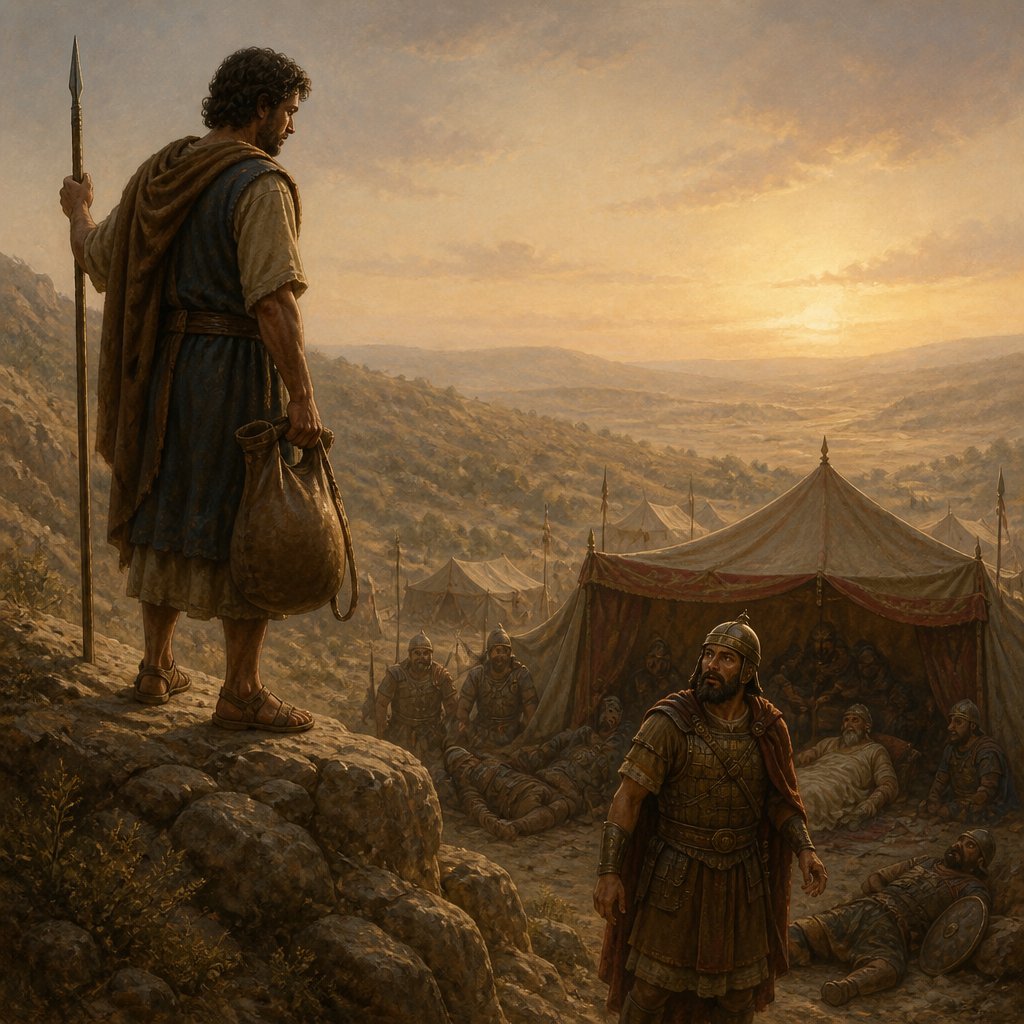
The Bible verse 1 Samuel 26:15 in the King James Version reads: "And David said to Abner, Art not thou a valiant man? and who is like to thee in Israel? wherefore then hast thou not kept thy lord the king? for there came one of the people in to destroy the king thy lord." This verse is part of a larger story in the book of 1 Samuel, which follows the life of David, a beloved and renowned figure in the Bible. In this passage, David is in the wilderness, fleeing from King Saul who seeks to kill him out of jealousy and insecurity.
To fully understand the depth of 1 Samuel 26:15, it is important to consider its context within the narrative of David's life. At this point in the story, David has already been anointed as the next king of Israel by the prophet Samuel, but Saul, the current king, sees David as a threat to his own reign. David, however, remains loyal and respectful to Saul, despite the king's relentless pursuit to take his life.
In this particular passage, David confronts Abner, the commander of Saul's army, who had failed to protect the king. The verse reflects David's deep sense of honor and loyalty, as he questions Abner's failure to safeguard his king. David acknowledges Abner's skill and valor as a warrior, but he points out that Abner's negligence in protecting Saul has put the king's life in danger.
One of the key themes in this verse is the concept of honor and loyalty. David, despite being unjustly pursued by Saul, remains respectful and loyal to the king. His actions and words demonstrate his commitment to honor the authority and position that Saul holds, despite the personal threat he faces. Through this interaction with Abner, David upholds the principles of respect and duty even in the midst of conflict and danger.
Another significant theme in this verse is the idea of leadership and responsibility. David's question to Abner highlights the importance of a leader's duty to protect and serve those under his authority. As a leader in Saul's army, Abner had a responsibility to ensure the safety of the king, and his failure to do so is brought to light by David's questioning. This theme speaks to the biblical principles of leadership and accountability, emphasizing the importance of upholding one's responsibilities and obligations, especially when entrusted with the care and well-being of others.
Symbolism in this verse can be found in the characters of David and Abner. David represents righteousness, honor, and integrity, as he stands up for what is right and just in the face of adversity. Abner, on the other hand, symbolizes the failure of leadership and the consequences of neglecting one's responsibilities. Their interaction serves as a moral lesson, emphasizing the importance of maintaining honor and fulfilling one's duties, even in difficult and challenging circumstances.
In conclusion, 1 Samuel 26:15 in the King James Version offers a profound insight into the themes of honor, loyalty, leadership, and responsibility. Through the interaction between David and Abner, the passage provides valuable lessons on righteousness and accountability, as well as the importance of upholding one's moral and ethical obligations. This verse serves as a reminder of the timeless biblical principles that continue to resonate with readers today.
Get our apps


Artwork for 1 Samuel 26:15

1 Samuel 26:15 - "And David said to Abner, Art not thou a valiant man? and who is like to thee in Israel? wherefore then hast thou not kept thy lord the king? for there came one of the people in to destroy the king thy lord."
"And David said to Abner, Art not thou a valiant man? and who is like to thee in Israel? wherefore then hast thou not kept thy lord the king? for there came one of the people in to destroy the king thy lord." - 1 Samuel 26:15

1 Samuel 15:26 - "And Samuel said unto Saul, I will not return with thee: for thou hast rejected the word of the LORD, and the LORD hath rejected thee from being king over Israel."

1 Samuel 15:26 (KJVA) 26 And Samuel said unto Saul, I will not return with thee: for thou hast rejected the word of the LORD, and the LORD hath rejected thee from being king over Israel.

1 Samuel 2:26 - "And the child Samuel grew on, and was in favour both with the LORD, and also with men."

1 Samuel 15:10 - "¶ Then came the word of the LORD unto Samuel, saying,"

1 Samuel 7:15 - "And Samuel judged Israel all the days of his life."
1 Samuel 15:31 - "So Samuel turned again after Saul; and Saul worshipped the LORD."

John 15:26 NLT

1 Samuel 15:34 - "¶ Then Samuel went to Ramah; and Saul went up to his house to Gibeah of Saul."

1 Samuel 1:15-17

1 Samuel 3:15 - "¶ And Samuel lay until the morning, and opened the doors of the house of the LORD. And Samuel feared to shew Eli the vision."

1 Corinthians 15:26 - "The last enemy that shall be destroyed is death."

1.samuel 15:30

1 Samuel 15:22

1 Samuel 15:22

1 Samuel 28:15

1.samuel 15:30

1 Samuel 9:15 - "¶ Now the LORD had told Samuel in his ear a day before Saul came, saying,"
2 Samuel 15:26 - "But if he thus say, I have no delight in thee; behold, here am I, let him do to me as seemeth good unto him."
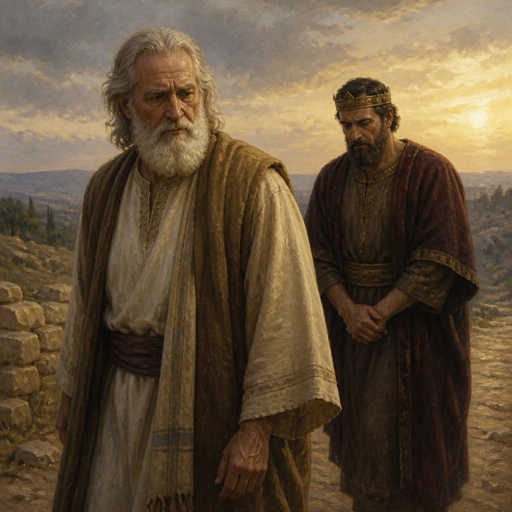
"And Samuel said unto Saul, I will not return with thee: for thou hast rejected the word of the LORD, and the LORD hath rejected thee from being king over Israel." - 1 Samuel 15:26

1 Samuel 26:4 - "David therefore sent out spies, and understood that Saul was come in very deed."

1 Samuel 28:15-20

1 Samuel 26:1 - "And the Ziphites came unto Saul to Gibeah, saying, Doth not David hide himself in the hill of Hachilah, which is before Jeshimon?"

1 Samuel 21:10-15

1 Samuel 28:15-19

1 Chronicles 26:15 - "To Obed-edom southward; and to his sons the house of Asuppim."

1 Samuel 15:27 - "And as Samuel turned about to go away, he laid hold upon the skirt of his mantle, and it rent."

1 Samuel 15:13 - "And Samuel came to Saul: and Saul said unto him, Blessed be thou of the LORD: I have performed the commandment of the LORD."

1 Samuel 10:15 - "And Saul's uncle said, Tell me, I pray thee, what Samuel said unto you."