What does 1 Samuel 2:30 mean?
“Wherefore the LORD God of Israel saith, I said indeed that thy house, and the house of thy father, should walk before me for ever: but now the LORD saith, Be it far from me; for them that honour me I will honour, and they that despise me shall be lightly esteemed.” — 1 Samuel 2:30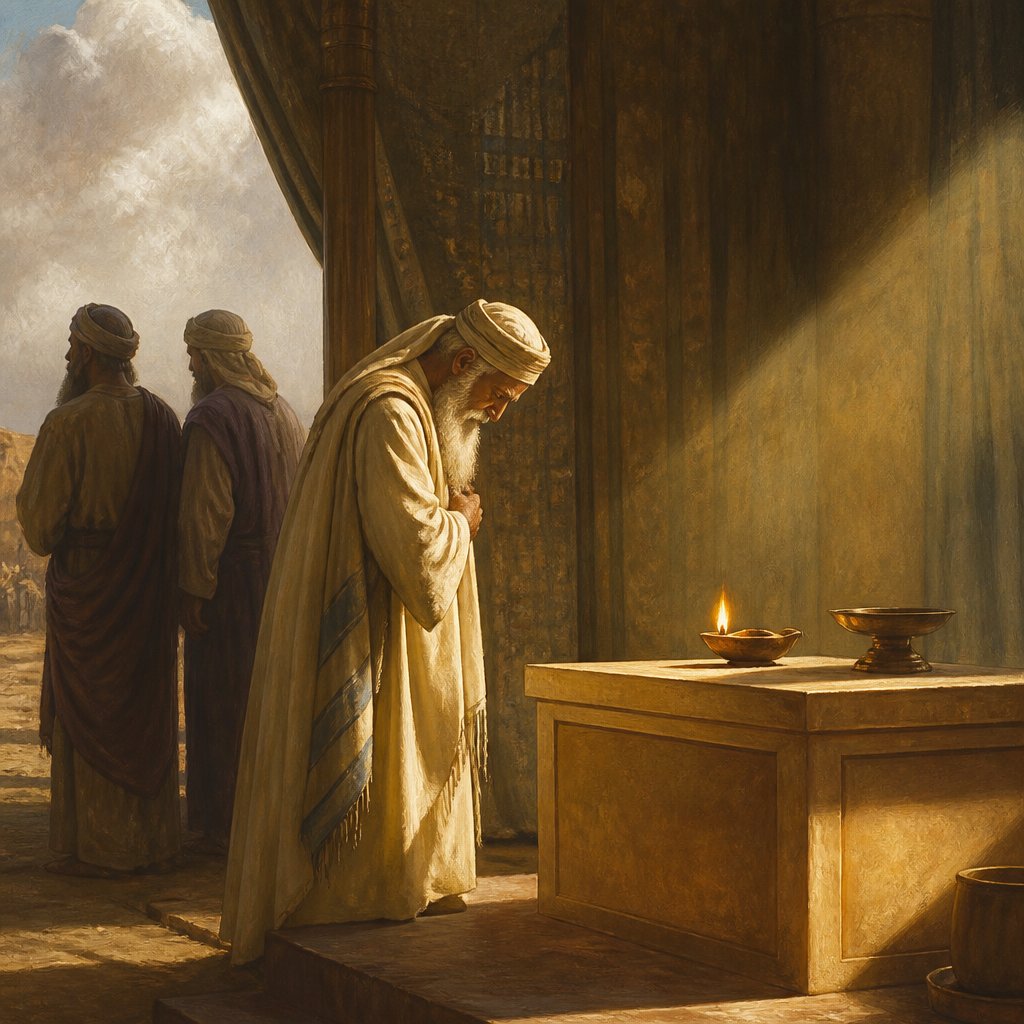
In 1 Samuel 2:30, the verse states, "Wherefore the Lord God of Israel saith, I said indeed that thy house, and the house of thy father, should walk before me forever: but now the Lord saith, Be it far from me; for them that honor me I will honor, and they that despise me shall be lightly esteemed."
This verse comes from a passage in the book of 1 Samuel which focuses on the story of the prophet Samuel and his interactions with the people of Israel, particularly the priestly family of Eli. The verse contains a prophetic message from the Lord to Eli, the high priest, as a rebuke for his failure to discipline his sons Hophni and Phinehas, who were serving as priests in the tabernacle and were engaging in corrupt and immoral behavior.
The verse has several themes that can be drawn from it, including the concepts of honor, obedience, and the consequences of disobedience to God. It also touches on the idea of divine justice and the importance of living a life that is pleasing to God.
The context of this verse is crucial to understanding its significance. The passage surrounding this verse describes the sinful behavior of Eli's sons, who were abusing their positions as priests and dishonoring God through their actions. Despite being warned by the people and even a man of God who came with a message from God, Eli failed to take necessary action and discipline his sons. As a result, the Lord sent a message through a prophet, declaring that Eli's house would no longer have the privilege of serving as priests before God and that they would be replaced by another family that would honor God.
The verse begins with the declaration that the Lord had once promised that the house of Eli would walk before Him forever. This reflects the initial favor and promise of God towards the family of Eli, as they were entrusted with the priestly responsibilities in the tabernacle. However, the verse then reveals that the Lord has changed His mind, stating "Be it far from me," indicating a reversal of His previous promise. This change of position by God is a consequence of the dishonorable behavior of Eli's sons and the failure of Eli to honor God by addressing the wrongdoing.
The central message of the verse is encapsulated in the statement "for them that honor me I will honor, and they that despise me shall be lightly esteemed." This principle illustrates the importance of honoring and obeying God, and the corresponding consequences for those who choose to despise or disobey Him. The verse emphasizes the principle of sowing and reaping, as those who honor God will be honored by Him, while those who despise Him will be lightly esteemed or dishonored.
The symbolism in this verse is significant, as it paints a picture of the character of God and His expectations for His people. It portrays God as a God of justice, who rewards those who honor Him and holds accountable those who dishonor Him. The verse also symbolizes the concept of divine order, indicating that obedience and honor towards God are essential for receiving His favor and blessings.
In conclusion, 1 Samuel 2:30 delivers a powerful message about the importance of honoring and obeying God, and the corresponding consequences for failing to do so. It serves as a warning to individuals and communities about the necessity of living a life that is pleasing to God, and the inevitable repercussions for those who choose to despise or disobey Him. This verse reminds us of the importance of aligning our lives with the values and principles of God, as it is only through honoring and obeying Him that we can expect to receive His blessings and favor.
Get our apps


Artwork for 1 Samuel 2:30

1 Samuel 2:30 - "Wherefore the LORD God of Israel saith, I said indeed that thy house, and the house of thy father, should walk before me for ever: but now the LORD saith, Be it far from me; for them that honour me I will honour, and they that despise me shall be lightly esteemed."
"Wherefore the LORD God of Israel saith, I said indeed that thy house, and the house of thy father, should walk before me for ever: but now the LORD saith, Be it far from me; for them that honour me I will honour, and they that despise me shall be lightly esteemed." - 1 Samuel 2:30

1 Samuel 30:2 - "And had taken the women captives, that were therein: they slew not any, either great or small, but carried them away, and went on their way."

1.samuel 15:30

1 Samuel 30:18

1.samuel 15:30

2 Samuel 23:30 - "Benaiah the Pirathonite, Hiddai of the brooks of Gaash,"

2 Samuel 2:30 - "And Joab returned from following Abner: and when he had gathered all the people together, there lacked of David's servants nineteen men and Asahel."

1 Samuel 30:30 - "And to them which were in Hormah, and to them which were in Chorashan, and to them which were in Athach,"
1 Samuel 20:27-30

1 Samuel 2:12

1 Samuel 30:25 - "And it was so from that day forward, that he made it a statute and an ordinance for Israel unto this day."

"Benaiah the Pirathonite, Hiddai of the brooks of Gaash," - 2 Samuel 23:30

2 Samuel 18:30 - "And the king said unto him, Turn aside, and stand here. And he turned aside, and stood still."

2 Samuel 22:30 - "For by thee I have run through a troop: by my God have I leaped over a wall."

1 Samuel 30:28 - "And to them which were in Aroer, and to them which were in Siphmoth, and to them which were in Eshtemoa,"

1 Samuel 30:18 - "And David recovered all that the Amalekites had carried away: and David rescued his two wives."

1 Samuel 30:5 - "And David's two wives were taken captives, Ahinoam the Jezreelitess, and Abigail the wife of Nabal the Carmelite."

1 Samuel 30:4 - "Then David and the people that were with him lifted up their voice and wept, until they had no more power to weep."

2 Samuel 3:30 - "So Joab and Abishai his brother slew Abner, because he had slain their brother Asahel at Gibeon in the battle."

1 Samuel 30:29 - "And to them which were in Rachal, and to them which were in the cities of the Jerahmeelites, and to them which were in the cities of the Kenites,"

1 Samuel 30:31 - "And to them which were in Hebron, and to all the places where David himself and his men were wont to haunt."

1 Samuel 30:27 - "To them which were in Beth-el, and to them which were in south Ramoth, and to them which were in Jattir,"

1 Samuel 30:20 - "And David took all the flocks and the herds, which they drave before those other cattle, and said, This is David's spoil."

1 Samuel 30:1 - "And it came to pass, when David and his men were come to Ziklag on the third day, that the Amalekites had invaded the south, and Ziklag, and smitten Ziklag, and burned it with fire;"

1 Samuel 30:3 - "¶ So David and his men came to the city, and, behold, it was burned with fire; and their wives, and their sons, and their daughters, were taken captives."

1 Samuel 17:30 - "¶ And he turned from him toward another, and spake after the same manner: and the people answered him again after the former manner."

"And to them which were in Hormah, and to them which were in Chorashan, and to them which were in Athach," - 1 Samuel 30:30

1 Samuel 30:11 - "¶ And they found an Egyptian in the field, and brought him to David, and gave him bread, and he did eat; and they made him drink water;"

2 Samuel 13:30 - "¶ And it came to pass, while they were in the way, that tidings came to David, saying, Absalom hath slain all the king's sons, and there is not one of them left."