What does 1 Samuel 31:13 mean?
“And they took their bones, and buried them under a tree at Jabesh, and fasted seven days.” — 1 Samuel 31:13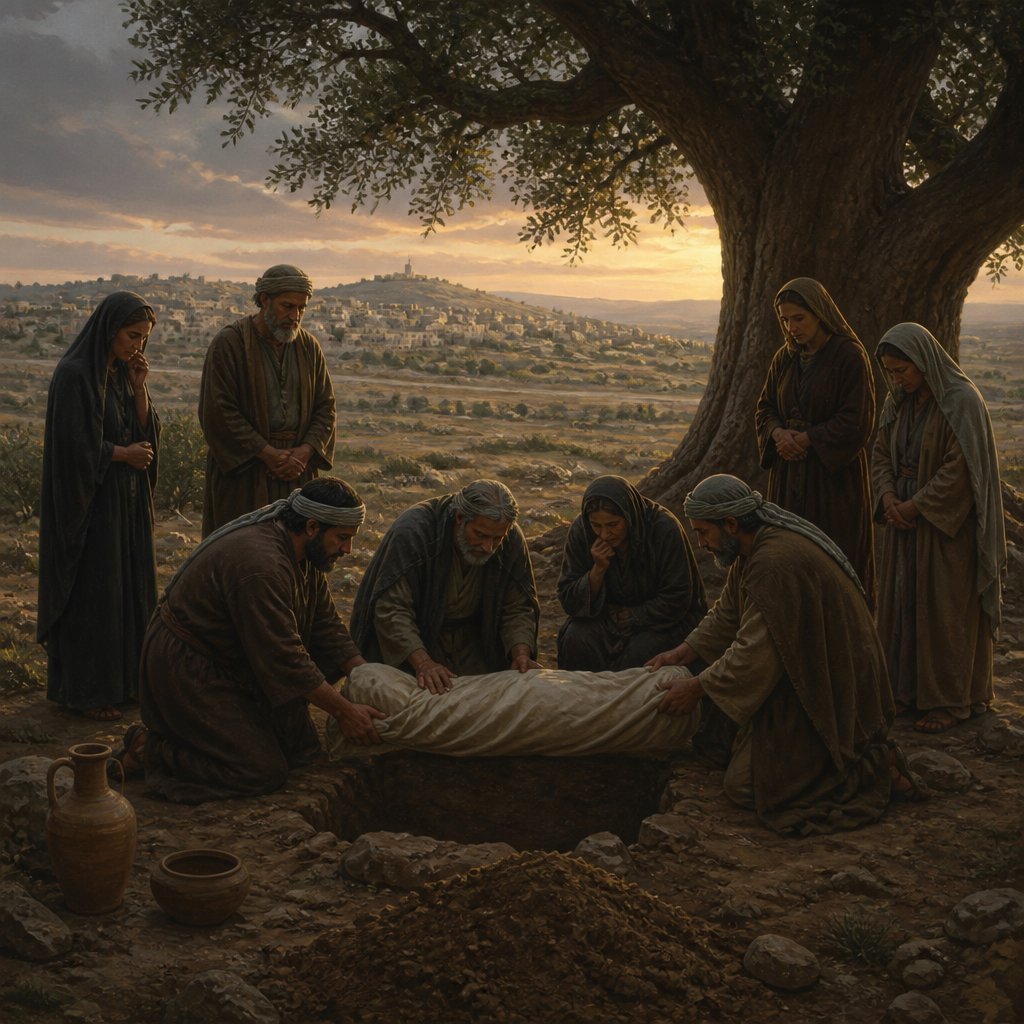
1 Samuel 31:13 - "And they took their bones, and buried them under a tree at Jabesh, and fasted seven days."
This verse comes at the end of the book of 1 Samuel and serves as a conclusion to the tragic deaths of King Saul and his sons. It describes the noble actions of the valiant men of Jabesh-Gilead, who risked their own lives to give King Saul and his sons a proper burial. The men of Jabesh-Gilead showed great respect for Saul and his sons' remains and honored them by burying them under a tree and fasting for seven days.
The theme of honor and respect for the dead is prevalent throughout this verse. Despite Saul's shortcomings and his troubled relationship with David, the men of Jabesh-Gilead recognized his position as a king and the importance of showing reverence for his remains. This act of burying the deceased under a tree and fasting for seven days reflects the ancient Israelites' cultural custom of mourning and honoring the dead.
Moreover, the actions of the men of Jabesh-Gilead also symbolize their loyalty and commitment to their fellow Israelites. By risking their own safety to retrieve and bury the bodies of Saul and his sons, they demonstrated their unwavering support for their fallen leaders and their dedication to the unity and solidarity of the people of Israel. This act of compassion and bravery stands in sharp contrast to the tragic events that led to the deaths of Saul and his sons on the battlefield.
The context of this verse is important in understanding the significance of the men of Jabesh-Gilead's actions. Earlier in 1 Samuel, we see the deterioration of Saul's reign and his descent into desperation and despair. Despite his initial success as king, Saul's disobedience to God and his increasingly erratic behavior led to his ultimate downfall. The death of Saul and his sons in battle marked the end of an era for the Israelites, as it paved the way for David to assume the throne and establish his own dynasty.
In this context, the actions of the men of Jabesh-Gilead serve as a poignant reminder of the importance of honor, loyalty, and unity among the Israelites. The people of Jabesh-Gilead's willingness to stand up for their fallen leaders reflects the need for solidarity and support within the community, even in the face of adversity and tragedy. It also highlights the cultural and religious significance of honoring the dead and the customs surrounding death and mourning in ancient Israelite society.
Overall, 1 Samuel 31:13 provides a powerful conclusion to the tragic events that unfolded in the book of 1 Samuel. It serves as a reminder of the importance of honoring the dead, showing loyalty and support for fellow Israelites, and the cultural and religious customs surrounding death and mourning. Through the actions of the men of Jabesh-Gilead, this verse conveys timeless lessons about compassion, bravery, and the enduring values of respect and unity within a community.
Get our apps


Artwork for 1 Samuel 31:13

1 Samuel 31:13 - "And they took their bones, and buried them under a tree at Jabesh, and fasted seven days."
"And they took their bones, and buried them under a tree at Jabesh, and fasted seven days." - 1 Samuel 31:13

1 Sam 31: 12-13
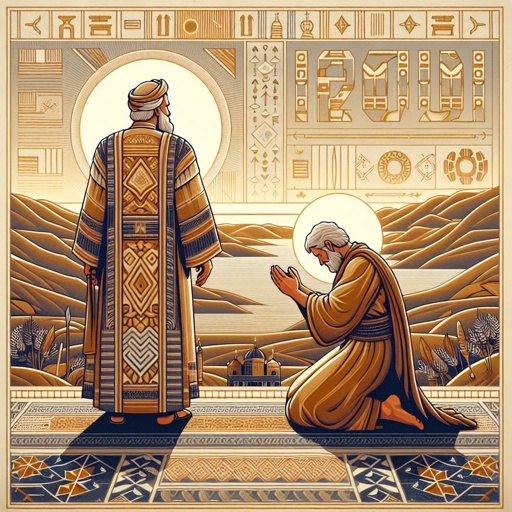
1 Samuel 15:31 - "So Samuel turned again after Saul; and Saul worshipped the LORD."

2 Samuel 13:31 - "Then the king arose, and tare his garments, and lay on the earth; and all his servants stood by with their clothes rent."

1 John 3:1-3
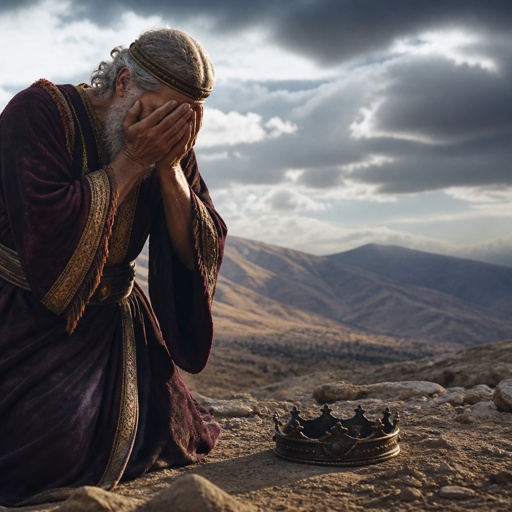
1 Samuel 13:13-14

1 Samuel 31:11 - "¶ And when the inhabitants of Jabesh-gilead heard of that which the Philistines had done to Saul;"

1 Samuel 31:6 - "So Saul died, and his three sons, and his armourbearer, and all his men, that same day together."

1 Samuel 14:31 - "And they smote the Philistines that day from Michmash to Aijalon: and the people were very faint."

1 Samuel 16:1–13

1 Samuel 31:3 - "And the battle went sore against Saul, and the archers hit him; and he was sore wounded of the archers."

1 Samuel 31:10 - "And they put his armour in the house of Ashtaroth: and they fastened his body to the wall of Beth-shan."

"So Samuel turned again after Saul; and Saul worshipped the LORD." - 1 Samuel 15:31
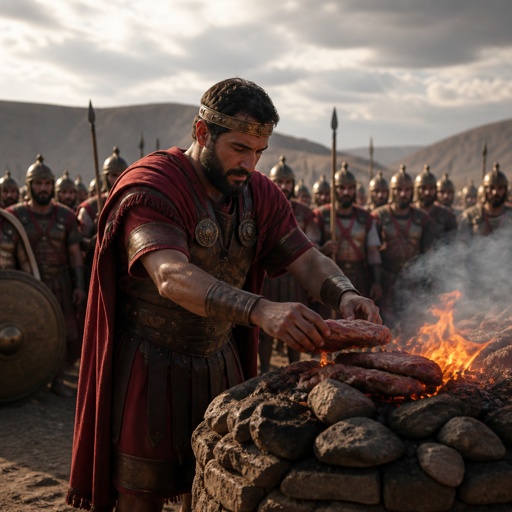
1 Samuel 13:11

1 Samuel 12:13

1 Samuel 31:1 - "Now the Philistines fought against Israel: and the men of Israel fled from before the Philistines, and fell down slain in mount Gilboa."
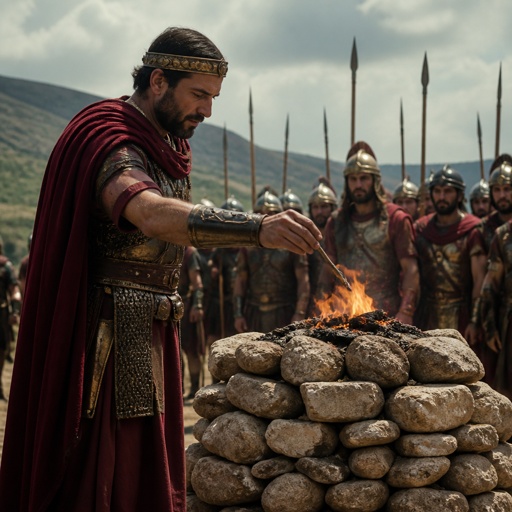
1 Samuel 13:3
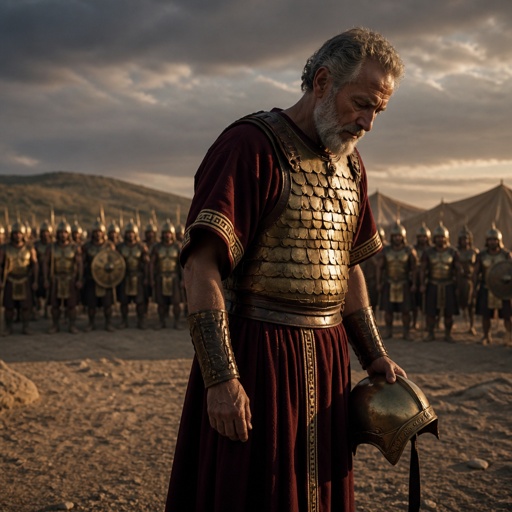
1 Samuel 13:14

1 Samuel 12:13

Altar rebuilt in Jerusalem. Ezra 3:1-3

1 Samuel 31:5 - "And when his armourbearer saw that Saul was dead, he fell likewise upon his sword, and died with him."

1 Samuel 17:31 - "And when the words were heard which David spake, they rehearsed them before Saul: and he sent for him."

1 Samuel 22:11-13

1 Samuel 30:31 - "And to them which were in Hebron, and to all the places where David himself and his men were wont to haunt."

1 Samuel 15:13 - "And Samuel came to Saul: and Saul said unto him, Blessed be thou of the LORD: I have performed the commandment of the LORD."
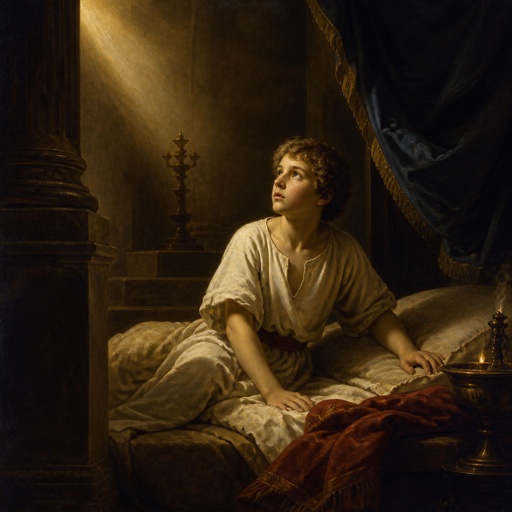
1 Samuel 3:1

1 Samuel 13:8 - "¶ And he tarried seven days, according to the set time that Samuel had appointed: but Samuel came not to Gilgal; and the people were scattered from him."

1 Samuel 3:1

1 Samuel 31:8 - "And it came to pass on the morrow, when the Philistines came to strip the slain, that they found Saul and his three sons fallen in mount Gilboa."