What does 1 Samuel 31:8 mean?
“And it came to pass on the morrow, when the Philistines came to strip the slain, that they found Saul and his three sons fallen in mount Gilboa.” — 1 Samuel 31:8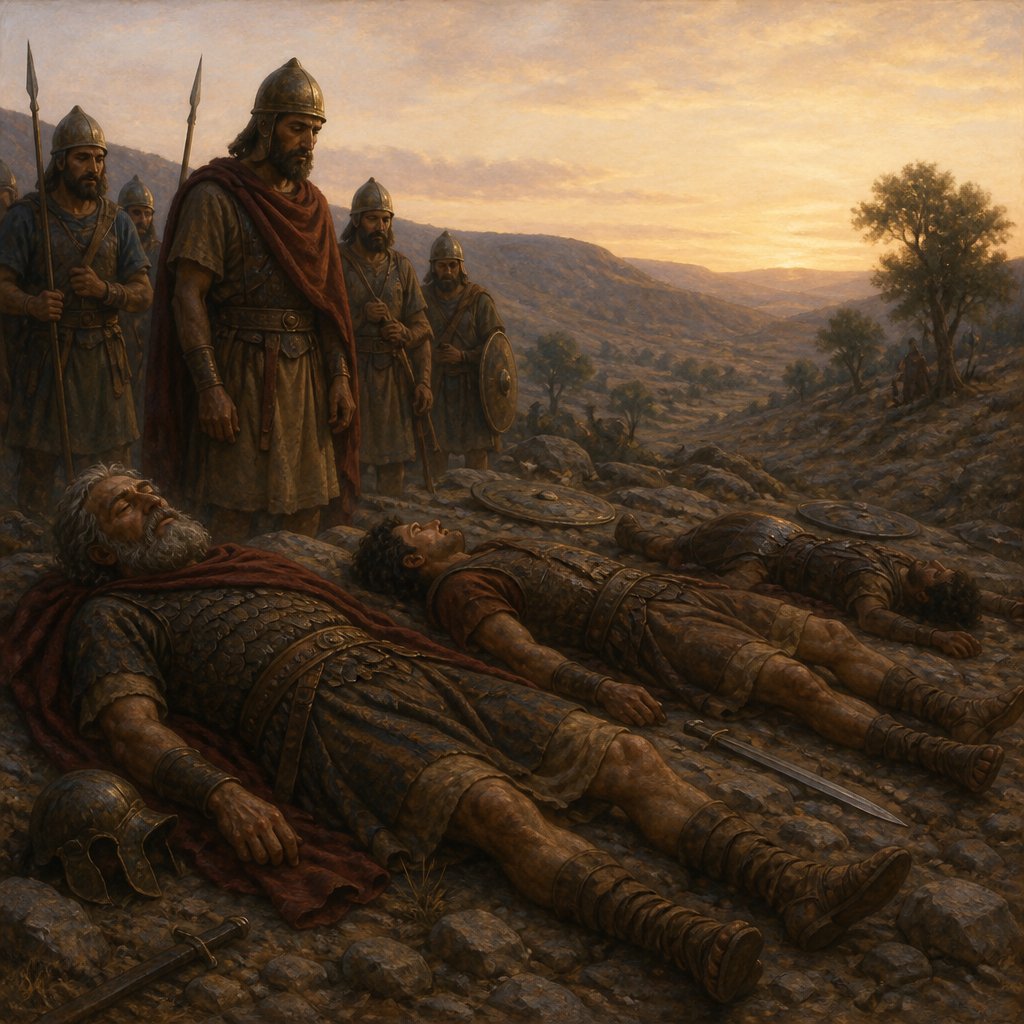
The verse 1 Samuel 31:8 from the King James Version of the Bible states, "And it came to pass on the morrow, when the Philistines came to strip the slain, that they found Saul and his three sons fallen in mount Gilboa." This verse is found in the Old Testament and is part of the narrative about the death of King Saul, the first king of Israel.
The book of 1 Samuel is a historical book that recounts the transition of Israel from a group of tribes to a monarchy. It begins with the story of Samuel, a prophet and judge, and details the eventual rise of Saul as the first king. However, Saul's reign is marred by disobedience to God and the eventual loss of favor with Him. 1 Samuel 31 describes the defeat of Israel at the hands of the Philistines, and Saul's tragic death.
The verse in question captures the grim aftermath of the battle. The Philistines, victorious over Israel, come to the battlefield to loot and pillage. In doing so, they come across the lifeless bodies of Saul and his three sons on Mount Gilboa. This scene marks the tragic end of Saul's reign and the beginning of a new era for Israel.
The themes and symbolism in this verse are rich and profound. One of the primary themes is the consequences of disobedience. Throughout his reign, Saul had a tumultuous relationship with God, often acting in defiance of divine will. This ultimately led to his downfall, as he lost the favor and protection of the Lord. The verse serves as a stark reminder of the dire consequences of turning away from God and His commandments.
Another theme is the fleeting nature of earthly power and glory. Saul, once a powerful king, now lies defeated and lifeless on the battlefield. His authority and might, once feared by his enemies, have now come to naught. This serves as a cautionary tale about the transitory nature of human achievements and the futility of placing one's trust in earthly power.
The symbolism in this verse is also significant. Mount Gilboa, the site of Saul's demise, holds symbolic weight as a place of defeat and tragedy. It becomes a symbol of the consequences of disobedience and the ultimate price of turning away from God. The Philistines stripping the slain serves as a symbol of the indignity and shame that accompanies defeat, as well as the harsh reality of war and conflict.
In a broader context, this verse is part of the larger narrative of the Old Testament, which chronicles the history of God's chosen people, Israel. It serves as a cautionary tale about the importance of obedience and faithfulness to God, as well as the consequences of straying from His will. It also sets the stage for the eventual rise of David, who becomes the greatest king in Israel's history. Thus, this verse serves as a pivotal moment in the overarching narrative of the Bible.
In conclusion, 1 Samuel 31:8 from the King James Version of the Bible is a powerful and poignant verse that captures the tragic end of King Saul and his sons. It underscores important themes such as the consequences of disobedience, the fleeting nature of earthly power, and the ultimate sovereignty of God. The verse also contains deep symbolism, particularly in the portrayal of Mount Gilboa as a site of defeat and shame. In the larger context of the Old Testament, this verse serves as a crucial moment in the history of Israel and the unfolding of God's redemptive plan for His people.
Get our apps


Artwork for 1 Samuel 31:8

1 Samuel 31:8 - "And it came to pass on the morrow, when the Philistines came to strip the slain, that they found Saul and his three sons fallen in mount Gilboa."
"And it came to pass on the morrow, when the Philistines came to strip the slain, that they found Saul and his three sons fallen in mount Gilboa." - 1 Samuel 31:8
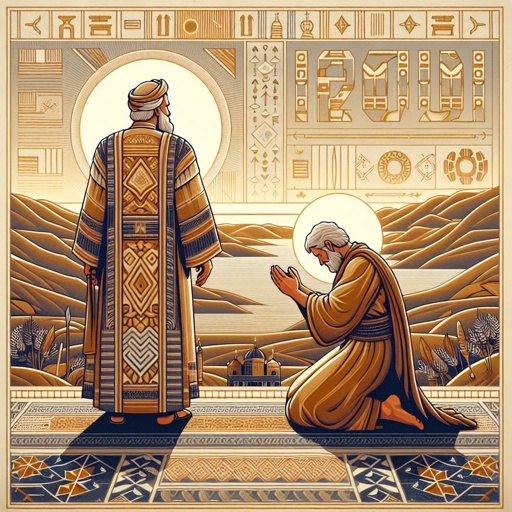
1 Samuel 15:31 - "So Samuel turned again after Saul; and Saul worshipped the LORD."

1 Chronicles 8:31 - "And Gedor, and Ahio, and Zacher."

1 Samuel 31:11 - "¶ And when the inhabitants of Jabesh-gilead heard of that which the Philistines had done to Saul;"

1 Samuel 31:6 - "So Saul died, and his three sons, and his armourbearer, and all his men, that same day together."

1 Samuel 14:31 - "And they smote the Philistines that day from Michmash to Aijalon: and the people were very faint."

1 Samuel 31:13 - "And they took their bones, and buried them under a tree at Jabesh, and fasted seven days."

1 Samuel 8:1 - "And it came to pass, when Samuel was old, that he made his sons judges over Israel."

1 Samuel 31:3 - "And the battle went sore against Saul, and the archers hit him; and he was sore wounded of the archers."

1 Samuel 31:10 - "And they put his armour in the house of Ashtaroth: and they fastened his body to the wall of Beth-shan."

"So Samuel turned again after Saul; and Saul worshipped the LORD." - 1 Samuel 15:31

1 Samuel 31:1 - "Now the Philistines fought against Israel: and the men of Israel fled from before the Philistines, and fell down slain in mount Gilboa."

1 Samuel 31:5 - "And when his armourbearer saw that Saul was dead, he fell likewise upon his sword, and died with him."

1 Samuel 17:31 - "And when the words were heard which David spake, they rehearsed them before Saul: and he sent for him."

1 Samuel 8:6 - "¶ But the thing displeased Samuel, when they said, Give us a king to judge us. And Samuel prayed unto the LORD."

1 Samuel 8:21 - "And Samuel heard all the words of the people, and he rehearsed them in the ears of the LORD."

1 Samuel 8:10 - "¶ And Samuel told all the words of the LORD unto the people that asked of him a king."

1 Samuel 8:7

1 Samuel 8:4 - "Then all the elders of Israel gathered themselves together, and came to Samuel unto Ramah,"

"And Gedor, and Ahio, and Zacher." - 1 Chronicles 8:31

1 Samuel 30:31 - "And to them which were in Hebron, and to all the places where David himself and his men were wont to haunt."
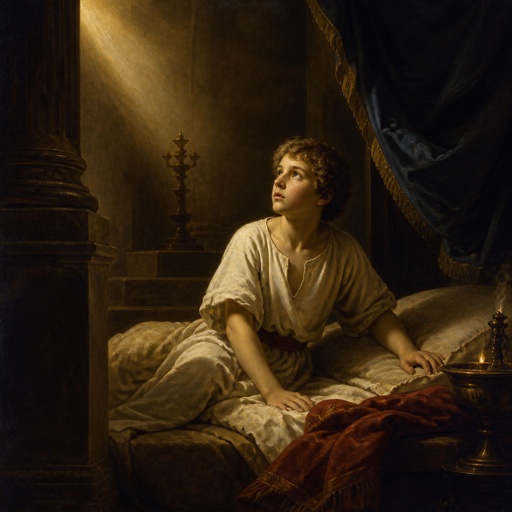
1 Samuel 3:1
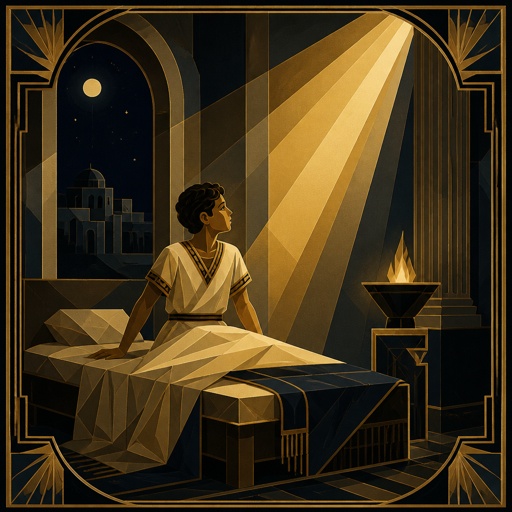
1 Samuel 3:1

1 Samuel 31:2 - "And the Philistines followed hard upon Saul and upon his sons; and the Philistines slew Jonathan, and Abinadab, and Malchi-shua, Saul's sons."
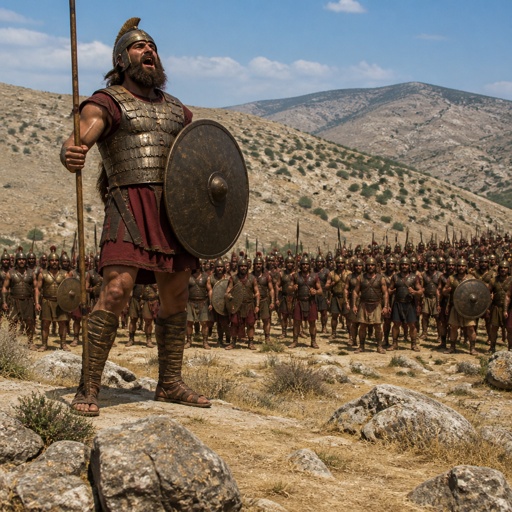
1 Samuel 17:4-8
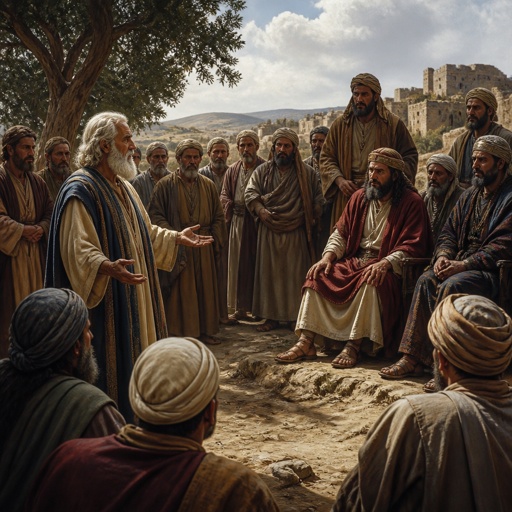
1 Samuel 8:19-22
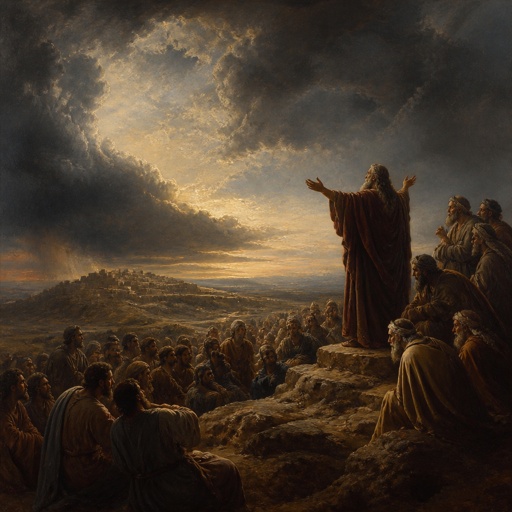
1 Samuel 8:19-22
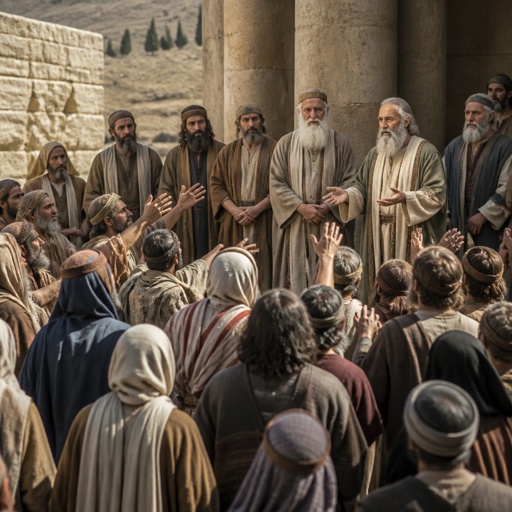
1 Samuel 8:7-9
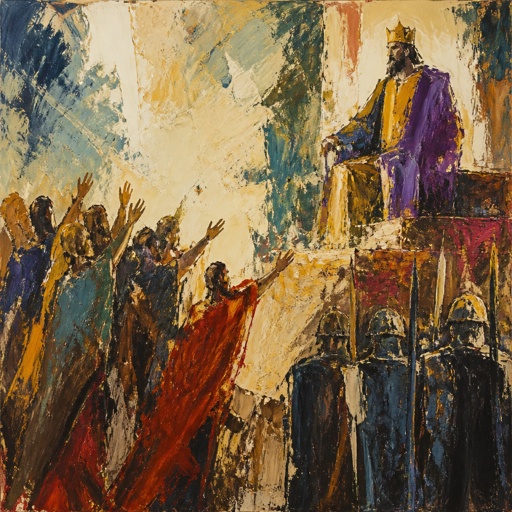
1 Samuel 8:19-23