What does 1 Samuel 4:9 mean?
“Be strong, and quit yourselves like men, O ye Philistines, that ye be not servants unto the Hebrews, as they have been to you: quit yourselves like men, and fight.” — 1 Samuel 4:9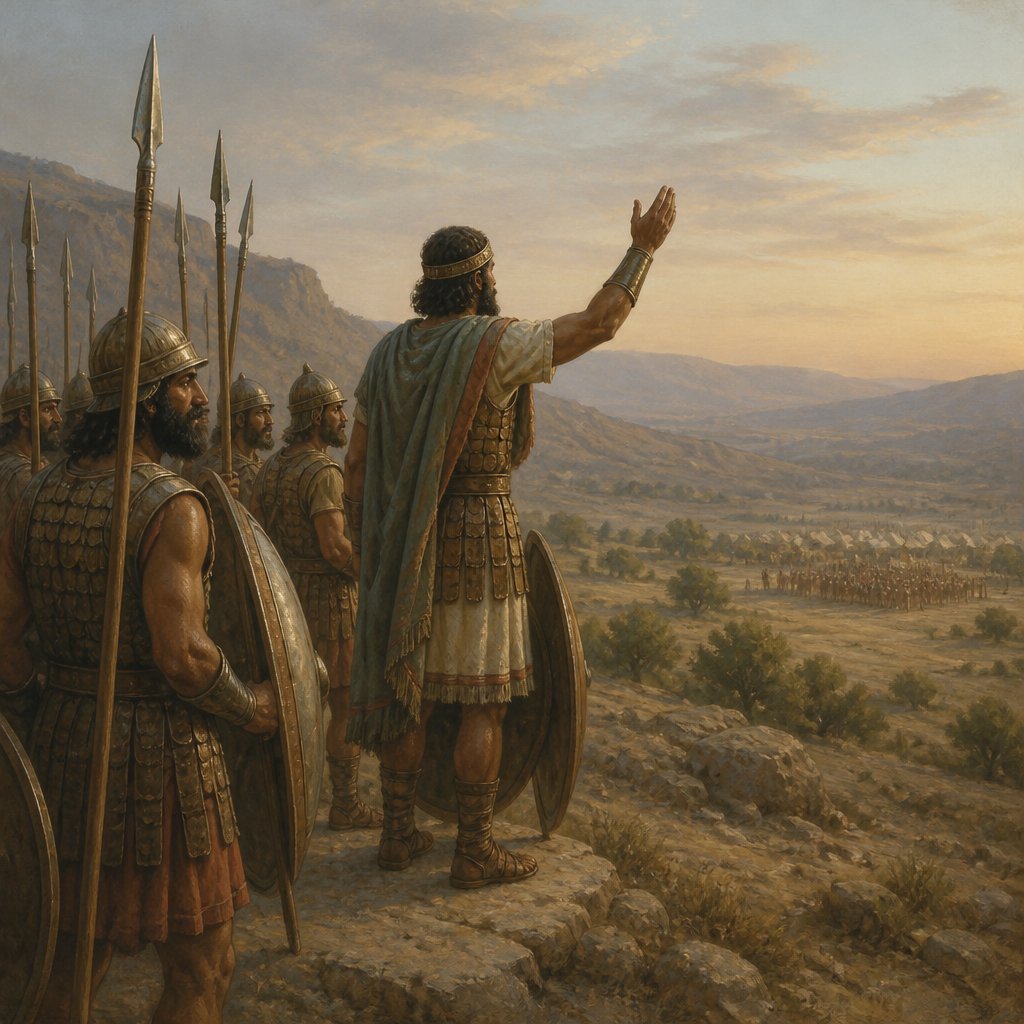
1 Samuel 4:9 (KJV) states: "Be strong, and quit yourselves like men, O ye Philistines, that ye be not servants unto the Hebrews, as they have been to you: quit yourselves like men, and fight."
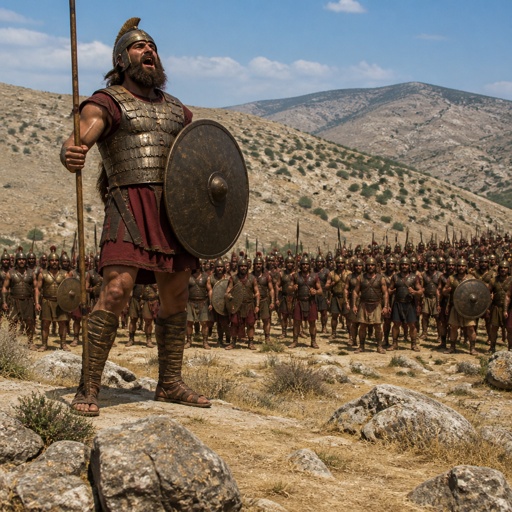
This verse appears in the context of a battle between the Philistines and the Israelites. The Philistines are addressing one another, encouraging each other to be brave and fight like men, so that they would not become servants to the Hebrews as the Hebrews had been to them.
This verse is significant as it reflects the cultural and gender norms of the time. The exhortation to "quit yourselves like men" calls to mind traditional notions of masculinity, bravery, and valor. In ancient societies, men were expected to demonstrate strength and courage in the face of conflict, and this verse reinforces those expectations.
One of the themes that can be derived from this verse is the concept of strength and courage in the face of adversity. The Philistines are urging each other to be strong and face their enemy head-on, rather than surrendering and becoming subservient. This theme is a recurring motif in the Bible, emphasizing the importance of resilience and perseverance in the face of challenges.
Another theme that emerges from this verse is the idea of power dynamics and the struggle for control. The Philistines are determined not to become servants to the Hebrews, highlighting the desire for autonomy and independence. This theme is relevant to many aspects of human history and society, as the struggle for power and dominance is a recurring feature of human conflict.
The context of this verse is also important for understanding its significance. The battle between the Philistines and the Israelites was a pivotal event in the history of ancient Israel, and it had significant implications for the fate of both nations. The outcome of the battle would determine which nation would hold power and control over the territory, resources, and people involved. This historical context adds depth and meaning to the exhortation to "quit yourselves like men," as the stakes were high and the consequences were profound.
Furthermore, this verse can be seen as a reflection of the larger narrative of the Israelites' struggle for independence and self-determination. Throughout the Old Testament, the Israelites faced numerous challenges and enemies who sought to subjugate and oppress them. The exhortation to "quit yourselves like men" can be interpreted as a call to arms in defense of their freedom and sovereignty.
Symbolically, this verse can be seen as a call to action and a rallying cry for determination and resolve. It embodies the spirit of resistance and resilience in the face of adversity, urging individuals to stand firm and fight for what they believe in. The use of gendered language in the exhortation to "quit yourselves like men" reflects the cultural norms of the time, but the underlying message of strength and bravery is relevant to people of all genders.
In conclusion, 1 Samuel 4:9 (KJV) is a verse that embodies themes of strength, courage, power dynamics, and the struggle for independence. Its historical context and symbolic significance make it a rich and meaningful passage that resonates with timeless human experiences and values.
Get our apps


Artwork for 1 Samuel 4:9

1 Samuel 4:9 - "Be strong, and quit yourselves like men, O ye Philistines, that ye be not servants unto the Hebrews, as they have been to you: quit yourselves like men, and fight."
"Be strong, and quit yourselves like men, O ye Philistines, that ye be not servants unto the Hebrews, as they have been to you: quit yourselves like men, and fight." - 1 Samuel 4:9
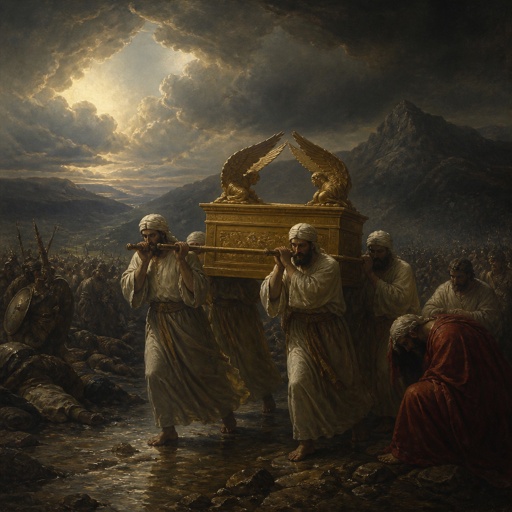
1 Samuel 4:4
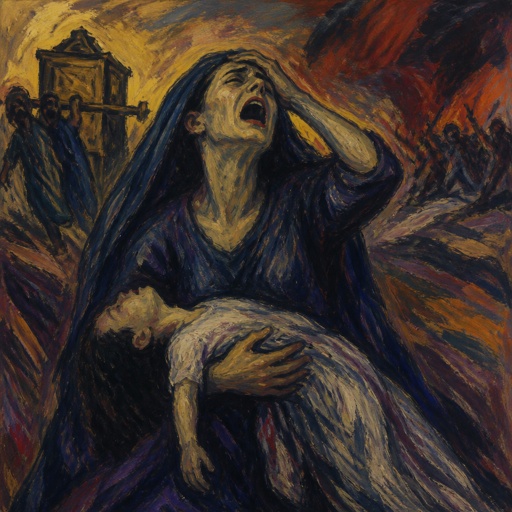
1 Samuel 4:18

1 Samuel 4:12

1 samuel 4:1
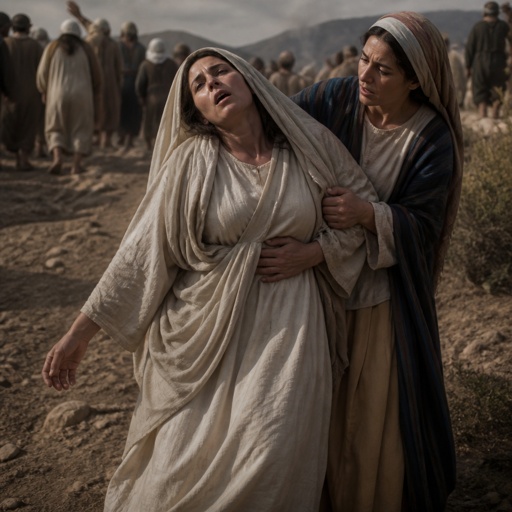
1 Samuel 4:18
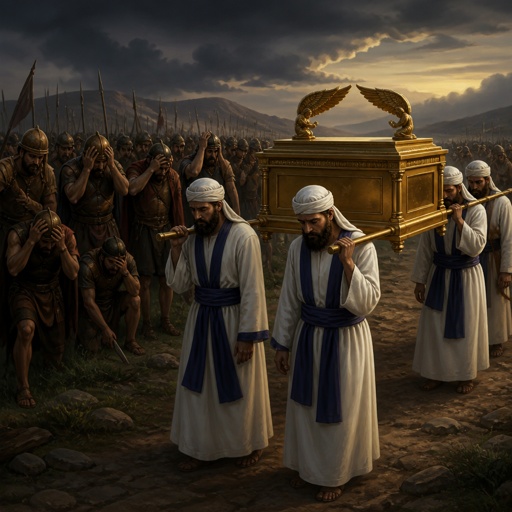
1 Samuel 4:2
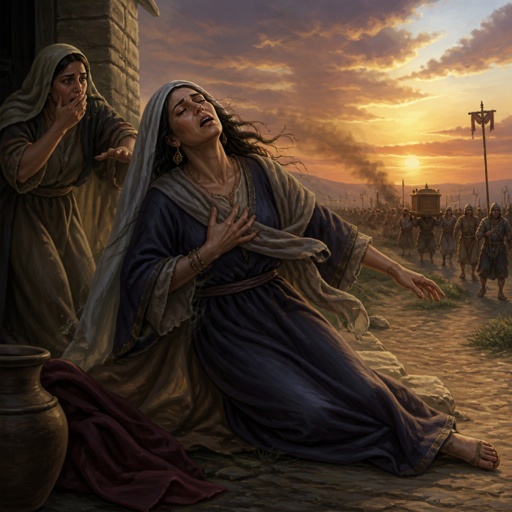
1 Samuel 4:18
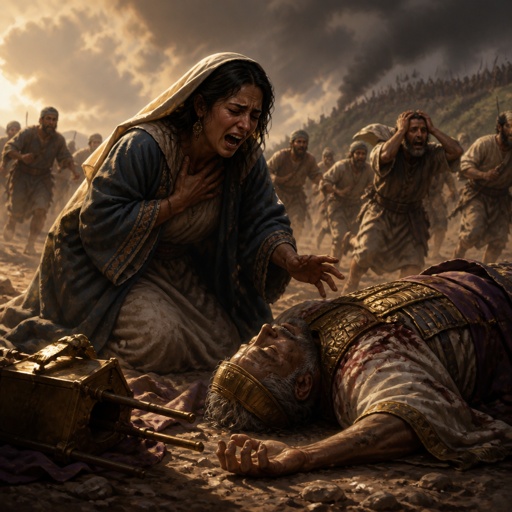
1 Samuel 4:14-16

1 Samuel 9:4 - "And he passed through mount Ephraim, and passed through the land of Shalisha, but they found them not: then they passed through the land of Shalim, and there they were not: and he passed through the land of the Benjamites, but they found them not."
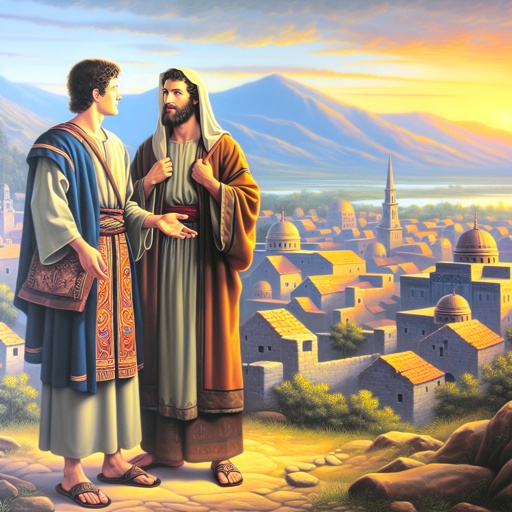
1 Samuel 9:1-2
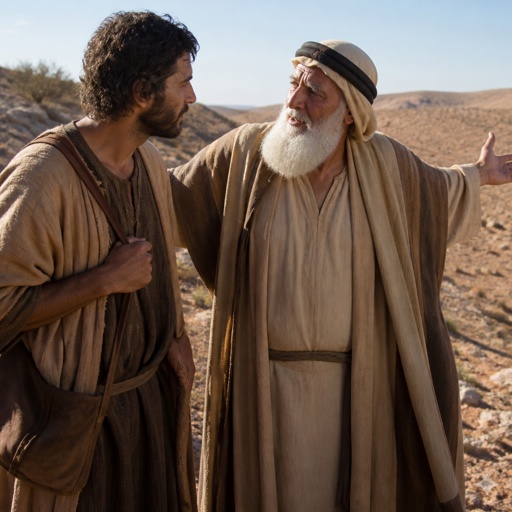
1 Samuel 9:17
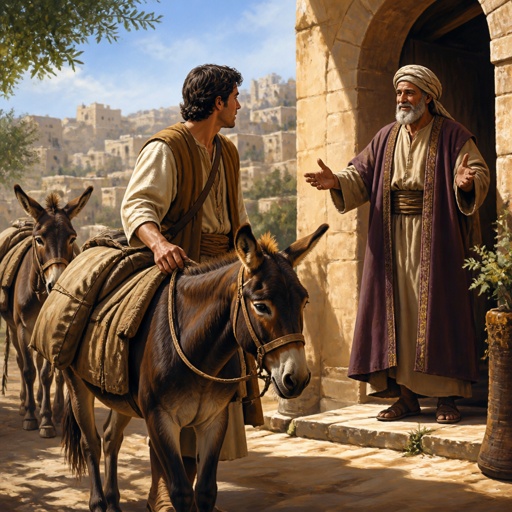
1 Samuel 9:17

1 Samuel 9:15 - "¶ Now the LORD had told Samuel in his ear a day before Saul came, saying,"

1 Samuel 3:4 - "That the LORD called Samuel: and he answered, Here am I."

2 samuel 9:7 fhdhdhdhhd

1 Samuel 9:25 - "¶ And when they were come down from the high place into the city, Samuel communed with Saul upon the top of the house."

1 Samuel 9:18 - "Then Saul drew near to Samuel in the gate, and said, Tell me, I pray thee, where the seer's house is."

1 Samuel 18:9 - "And Saul eyed David from that day and forward."

2 Samuel 4:9 - "¶ And David answered Rechab and Baanah his brother, the sons of Rimmon the Beerothite, and said unto them, As the LORD liveth, who hath redeemed my soul out of all adversity,"
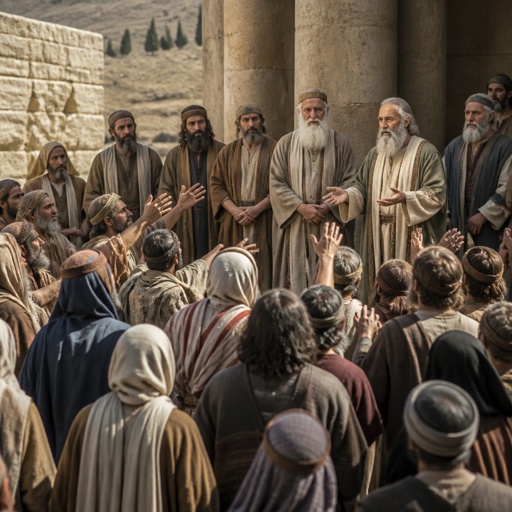
1 Samuel 8:7-9

1 Samuel 8:4 - "Then all the elders of Israel gathered themselves together, and came to Samuel unto Ramah,"

1 Samuel 7:9 - "¶ And Samuel took a sucking lamb, and offered it for a burnt offering wholly unto the LORD: and Samuel cried unto the LORD for Israel; and the LORD heard him."

1 Samuel 4:1 - "And the word of Samuel came to all Israel. Now Israel went out against the Philistines to battle, and pitched beside Eben-ezer: and the Philistines pitched in Aphek."
1 Samuel 17:4-8

1 Samuel 5: 3-4

1 Samuel 9:17 - "And when Samuel saw Saul, the LORD said unto him, Behold the man whom I spake to thee of! this same shall reign over my people."

1 Samuel 9:14 - "And they went up into the city: and when they were come into the city, behold, Samuel came out against them, for to go up to the high place."

1 Samuel 9:23 - "And Samuel said unto the cook, Bring the portion which I gave thee, of which I said unto thee, Set it by thee."