What does 1 Samuel 6:9 mean?
“And see, if it goeth up by the way of his own coast to Beth-shemesh, then he hath done us this great evil: but if not, then we shall know that it is not his hand that smote us; it was a chance that happened to us.” — 1 Samuel 6:9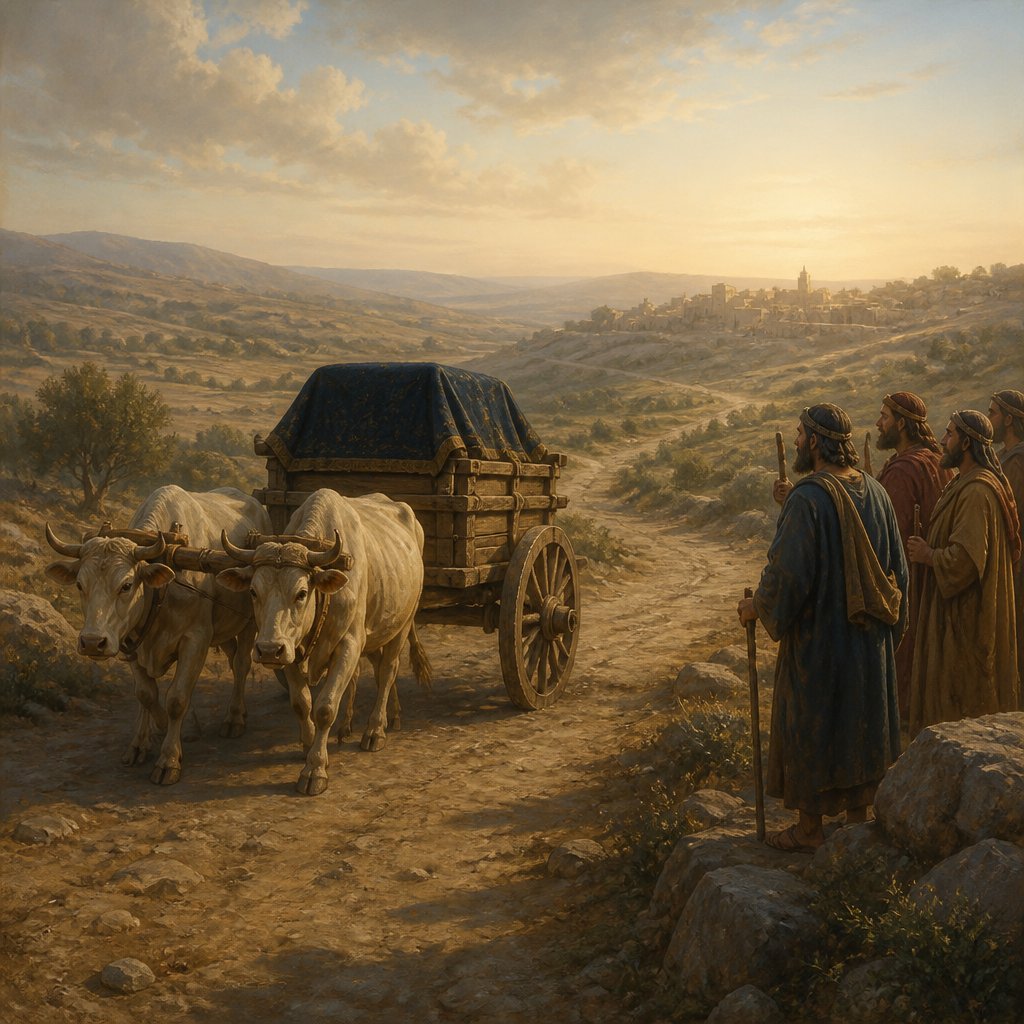
First Samuel 6:9 in the King James Version reads: "And see, if it goeth up by the way of his own coast to Bethshemesh, then he hath done us this great evil: but if not, then we shall know that it is not his hand that smote us: it was a chance that happened to us."
This verse is part of a larger story in the book of First Samuel, which recounts the return of the Ark of the Covenant to the Israelites. The Philistines had captured the Ark in battle, but due to the plagues and misfortunes that befell them as a result of having it in their possession, they decided to return it to the Israelites. However, they were unsure of how to do so and sought the advice of their priests and diviners.
In this particular verse, the Philistines are discussing how they can confirm that the plagues they suffered were indeed caused by the presence of the Ark. They proposed a test: they would release the Ark and observe its path. If it went to Bethshemesh, an Israelite city, they would know that the plagues were indeed a result of the Ark's presence, and they would know that it was the hand of the Israelite God that had smote them. However, if the Ark did not go to Bethshemesh, they would conclude that their misfortunes were merely a chance occurrence.
The themes explored in this verse are the sovereignty and power of God, as well as the consequences of His presence among the nations. The Philistines, as a pagan people, had no concept of the true nature of the God of Israel. Their understanding of divine power was limited to their own gods and superstitions. This verse showcases their attempt to make sense of the supernatural events that had befallen them and their acknowledgment of the possibility that a higher power was at work.
The context of this verse is also important to understand its significance. The Ark of the Covenant was a sacred object in Israelite religious tradition, believed to embody the presence of God. It was kept in the Most Holy Place of the Tabernacle and later the Temple, and only the high priest could enter its presence. The Philistines, not understanding the significance of the Ark, had seized it as a trophy of war and displayed it in their temple alongside their own idols. However, they soon came to regret this decision as plagues and calamities afflicted them and their cities. This verse marks their attempt to reconcile their actions with the consequences they faced.
Symbolism plays a significant role in this verse as well. The Ark itself is a symbol of God's presence and power, and its movements are seen as indicative of God's will. The act of releasing the Ark and observing its path can be seen as the Philistines relinquishing control and submitting to the divine. It also serves as a symbolic representation of the clash between the pagan beliefs of the Philistines and the monotheistic faith of the Israelites.
In conclusion, First Samuel 6:9 offers a glimpse into the religious and cultural dynamics of the ancient Near East, as well as the theological implications of divine sovereignty and human understanding. It serves as a reminder of the transcendent nature of God and the consequences of His presence among the nations. The verse also highlights the contrast between the faith of the Israelites and the superstitions of the Philistines, as well as the symbolic significance of the Ark of the Covenant. Through its exploration of these themes, contexts, and symbolism, this verse contributes to the broader narrative of the Bible and offers valuable insights into ancient religious thought and practice.
Get our apps


Artwork for 1 Samuel 6:9
1 Samuel 6:9 - "And see, if it goeth up by the way of his own coast to Beth-shemesh, then he hath done us this great evil: but if not, then we shall know that it is not his hand that smote us: it was a chance that happened to us."
"And see, if it goeth up by the way of his own coast to Beth-shemesh, then he hath done us this great evil: but if not, then we shall know that it is not his hand that smote us: it was a chance that happened to us." - 1 Samuel 6:9

2 Samuel 6:9 - "And David was afraid of the LORD that day, and said, How shall the ark of the LORD come to me?"

1 Samuel 14:6
1 Samuel 9:1-2
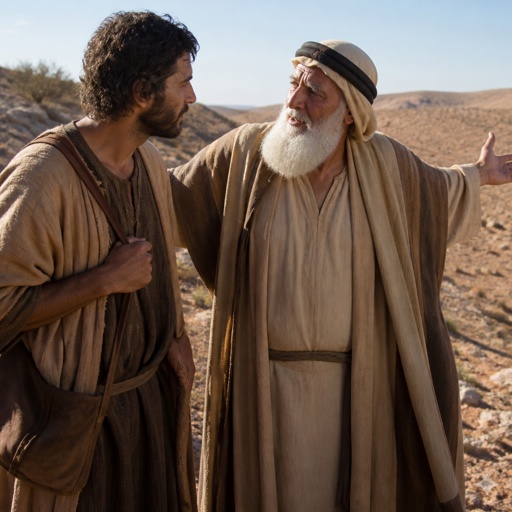
1 Samuel 9:17
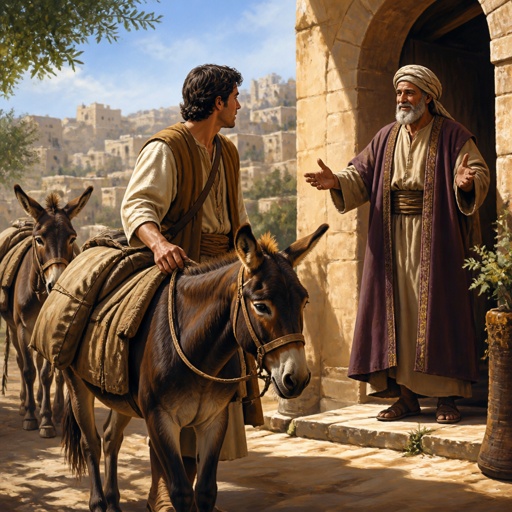
1 Samuel 9:17

1 Samuel 9:15 - "¶ Now the LORD had told Samuel in his ear a day before Saul came, saying,"

1 Samuel 8:6 - "¶ But the thing displeased Samuel, when they said, Give us a king to judge us. And Samuel prayed unto the LORD."

1 Samuel 6:1 - "And the ark of the LORD was in the country of the Philistines seven months."

2 Samuel 6:14

2 samuel 9:7 fhdhdhdhhd

1 Samuel 9:25 - "¶ And when they were come down from the high place into the city, Samuel communed with Saul upon the top of the house."

1 Samuel 9:18 - "Then Saul drew near to Samuel in the gate, and said, Tell me, I pray thee, where the seer's house is."

1 Samuel 18:9 - "And Saul eyed David from that day and forward."
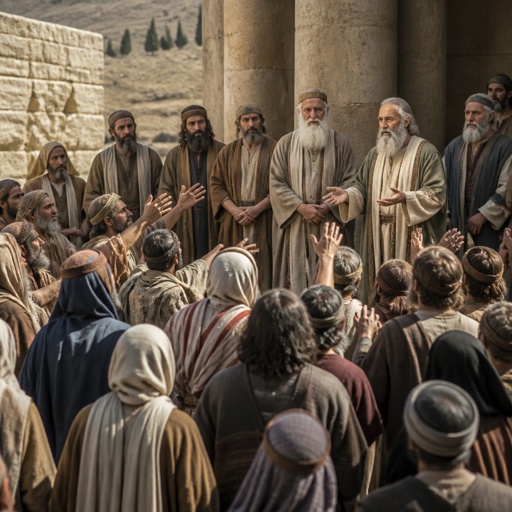
1 Samuel 8:7-9

1 Samuel 7:9 - "¶ And Samuel took a sucking lamb, and offered it for a burnt offering wholly unto the LORD: and Samuel cried unto the LORD for Israel; and the LORD heard him."
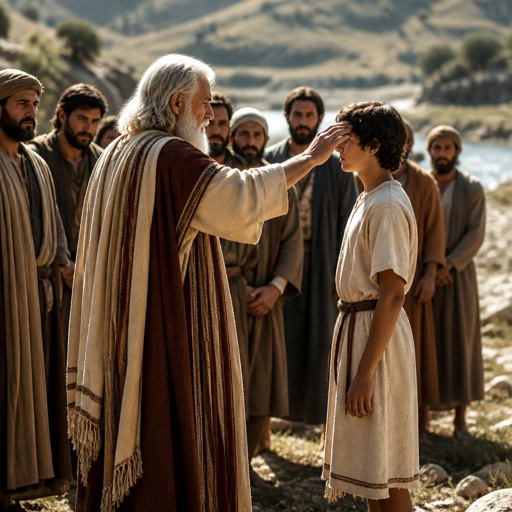
1 Samuel 16:6-7

1 Chronicles 6:28 - "And the sons of Samuel; the firstborn Vashni, and Abiah."

1 Samuel 9:6 - "And he said unto him, Behold now, there is in this city a man of God, and he is an honourable man; all that he saith cometh surely to pass: now let us go thither; peradventure he can shew us our way that we should go."

1 Samuel 12:6 - "¶ And Samuel said unto the people, It is the LORD that advanced Moses and Aaron, and that brought your fathers up out of the land of Egypt."

1 Samuel 9:17 - "And when Samuel saw Saul, the LORD said unto him, Behold the man whom I spake to thee of! this same shall reign over my people."

1 Samuel 9:14 - "And they went up into the city: and when they were come into the city, behold, Samuel came out against them, for to go up to the high place."

1 Samuel 9:23 - "And Samuel said unto the cook, Bring the portion which I gave thee, of which I said unto thee, Set it by thee."

"And David was afraid of the LORD that day, and said, How shall the ark of the LORD come to me?" - 2 Samuel 6:9

1 Samuel 9:26 - "And they arose early: and it came to pass about the spring of the day, that Samuel called Saul to the top of the house, saying, Up, that I may send thee away. And Saul arose, and they went out both of them, he and Samuel, abroad."

1 Samuel 6:16 - "And when the five lords of the Philistines had seen it, they returned to Ekron the same day."

1 Samuel 16:9 - "Then Jesse made Shammah to pass by. And he said, Neither hath the LORD chosen this."

1 Samuel 9:22 - "And Samuel took Saul and his servant, and brought them into the parlour, and made them sit in the chiefest place among them that were bidden, which were about thirty persons."

1 Samuel 3:9 - "Therefore Eli said unto Samuel, Go, lie down: and it shall be, if he call thee, that thou shalt say, Speak, LORD; for thy servant heareth. So Samuel went and lay down in his place."