What does 1 Samuel 7:17 mean?
“And his return was to Ramah; for there was his house; and there he judged Israel; and there he built an altar unto the LORD.” — 1 Samuel 7:17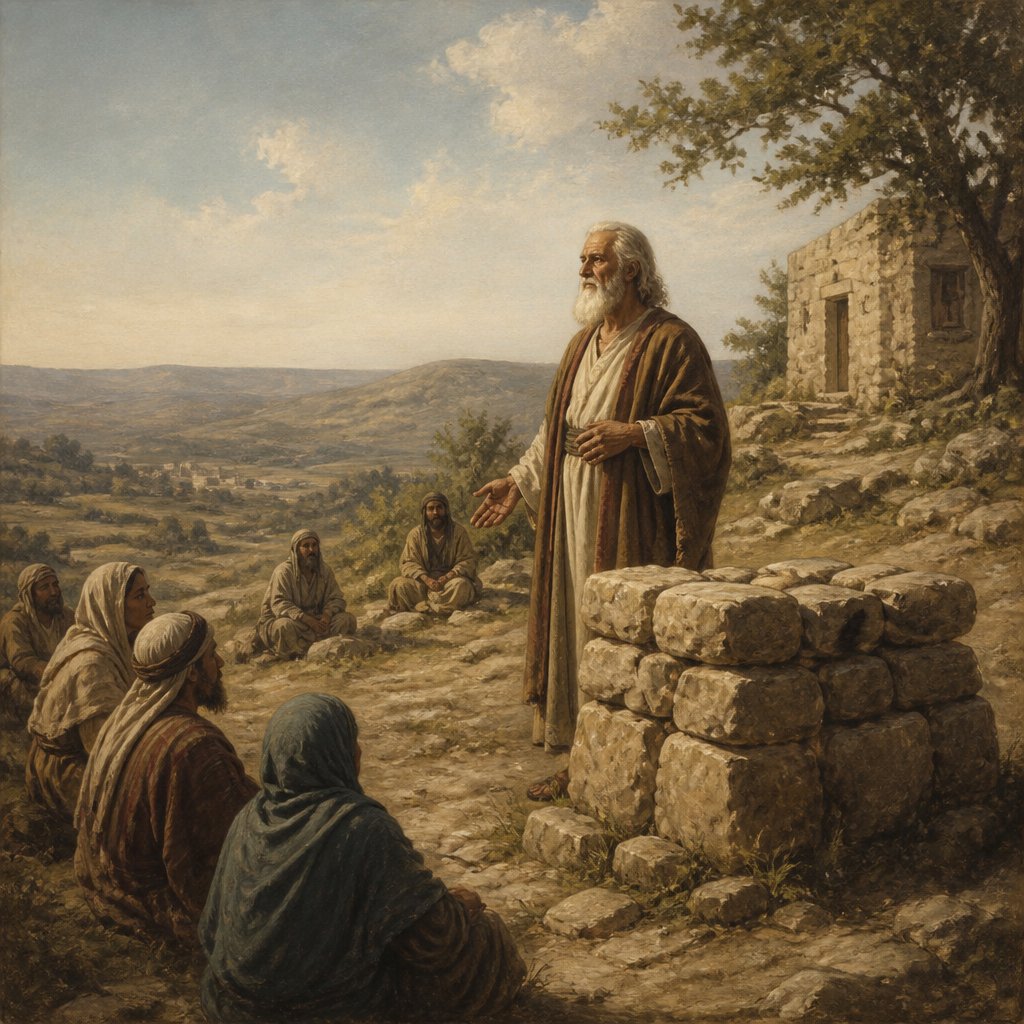
The verse 1 Samuel 7:17 in the King James Version of the Bible states, "And his return was to Ramah; for there was his house; and there he judged Israel; and there he built an altar unto the Lord."
This verse is part of the larger narrative of the Israelites' relationship with God during the time of the Old Testament. In order to fully understand the meaning and context of this verse, it is important to have some background on the events leading up to it.
The book of 1 Samuel describes the transition of leadership in Israel from judges to kings. Chapter 7 specifically details the return of the Ark of the Covenant to the Israelites after it had been captured by the Philistines. The Israelites repented and turned back to God, leading to their victory over the Philistines and the revival of their spiritual life. The entire chapter is about Samuel's leadership and the people's repentance and return to God.
In verse 17, it says that Samuel's return was to Ramah, where his house was located, and where he judged Israel. This means that Samuel, as a prophet and leader, returned to his home to continue his duties of leading and judging the people of Israel. This highlights Samuel's commitment and faithfulness to his responsibilities, even after the victorious battle against the Philistines.
The verse also mentions that Samuel built an altar unto the Lord in Ramah. This act of building an altar signifies the re-establishment of worship and sacrifice to God. The altar was a central place for the Israelites to bring offerings and seek forgiveness and favor from God. By building an altar, Samuel was emphasizing the importance of worship and devotion to God in the life of the Israelites.
The themes present in this verse include leadership, faithfulness, worship, and the restoration of the Israelites' relationship with God. Samuel's return to Ramah and his continued leadership symbolize the importance of faithful and godly leadership among God's people. Additionally, the building of the altar underscores the significance of worship and sacrifice in maintaining a close relationship with God.
The context of this verse is crucial in understanding its significance. The Israelites had turned away from God and suffered defeat at the hands of their enemies. However, through Samuel's leadership and the people's repentance, they experienced a renewal of their commitment to God. The return of the Ark of the Covenant and the rebuilding of the altar signified a restored relationship between the Israelites and God.
In a broader sense, the verse also serves as a reminder of the importance of faithfulness and devotion to God. It illustrates the consequences of turning away from God, as well as the blessings that come from returning to Him with a repentant heart.
In conclusion, 1 Samuel 7:17 in the King James Version of the Bible holds deep meaning within the larger narrative of Israel's relationship with God. It emphasizes the themes of leadership, faithfulness, worship, and restoration, and serves as a powerful reminder of the importance of maintaining a strong and devoted relationship with God. It also highlights the leadership and faithfulness of Samuel as a prophet and judge of Israel. This verse continues to inspire and encourage believers to remain faithful and devoted to God, just as Samuel did in his time.
Get our apps


Artwork for 1 Samuel 7:17

1 Samuel 7:17 - "And his return was to Ramah; for there was his house; and there he judged Israel; and there he built an altar unto the LORD."
"And his return was to Ramah; for there was his house; and there he judged Israel; and there he built an altar unto the LORD." - 1 Samuel 7:17

2 Samuel 7:17 - "According to all these words, and according to all this vision, so did Nathan speak unto David."

1 Samuel 17:7 - "And the staff of his spear was like a weaver's beam; and his spear's head weighed six hundred shekels of iron: and one bearing a shield went before him."

1 Samuel 10:17 - "¶ And Samuel called the people together unto the LORD to Mizpeh;"

1 Samuel 17:33

1 Samuel 1:15-17

2 Samuel 17:7 - "And Hushai said unto Absalom, The counsel that Ahithophel hath given is not good at this time."

1 Samuel 17:34-35

1 Samuel 17:49

1 Samuel 17:45

1 Samuel 17:49

1 Samuel 17:45
1 Samuel 9:17
1 Samuel 9:17

1 samuel 17:3

1 Samuel 17:49

1 Samuel 17:45
1 Samuel 17:49

1 Samuel 7:15 - "And Samuel judged Israel all the days of his life."
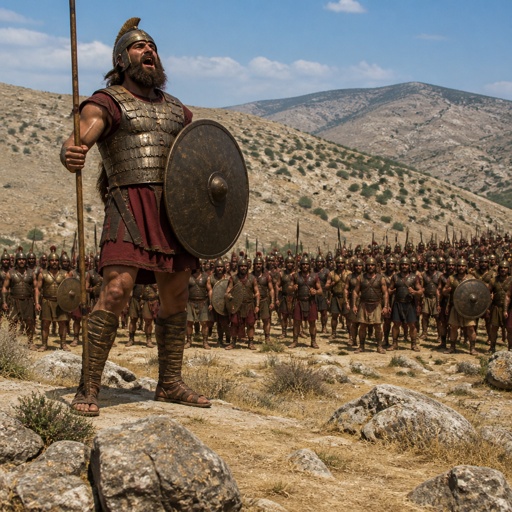
1 Samuel 17:4-8

2 Samuel 1. 17-27
1 Samuel 3:17-18

1 Samuel 17:38-40

1 Samuel 17:14 - "And David was the youngest: and the three eldest followed Saul."

1 Samuel 17:45-49

2 Samuel 7:1–29

"According to all these words, and according to all this vision, so did Nathan speak unto David." - 2 Samuel 7:17

1 Samuel 14:7

1 Samuel 28:7