What does 1 Timothy 2:3-4 mean?
“For this is good and acceptable in the sight of God our Saviour; Who will have all men to be saved, and to come unto the knowledge of the truth.” — 1 Timothy 2:3-4
1 Timothy 2:3-4 from the King James Version of the Bible reads, "For this is good and acceptable in the sight of God our Saviour; Who will have all men to be saved, and to come unto the knowledge of the truth."
This verse comes from the New Testament, specifically from the pastoral epistles written by the Apostle Paul to his younger co-worker and mentee, Timothy. In this particular verse, Paul is exhorting Timothy to pray for all people, including those in positions of authority, as it is pleasing to God our Savior. Paul then states that God desires all people to be saved and to come to the knowledge of the truth.
The overarching theme of this passage is the universal scope of the Gospel message. Paul emphasizes the inclusivity of God's plan for salvation, extending it to all people regardless of their social status, ethnicity, or religious background. This verse echoes the sentiments expressed in other passages of the Bible, such as John 3:16, which declares that God so loved the world that He gave His only Son, so that whoever believes in Him should not perish but have eternal life.
The context of this verse is important in understanding its significance. During the time when Paul was writing to Timothy, the early Christian church was facing persecution and opposition from both the Roman authorities and the Jewish religious leaders. There was a temptation for the early Christians to view salvation as exclusive to the Jewish people or to those who adhered to certain religious practices. However, Paul's message in this verse challenges such narrow-minded thinking and asserts that God's desire is for all people to be saved, regardless of their background.
Another important aspect of this verse is the role of prayer in the salvation of all people. Paul instructs Timothy to pray for all people, including those in authority, recognizing that God can work through the prayers of His people to bring about the salvation of others. This underscores the partnership between human agency (prayer) and divine sovereignty (God's will) in the process of salvation.
The use of language in this verse is also significant. Paul refers to God as "our Savior," emphasizing the redemptive work of God through Jesus Christ. The term "Savior" carries connotations of deliverance, rescue, and restoration, highlighting God's desire to save humanity from the power of sin and death.
The concept of God desiring all people to come to the knowledge of the truth is also noteworthy. This truth refers to the Gospel message of Jesus Christ, which offers redemption, forgiveness of sins, and reconciliation with God. The knowledge of this truth is not merely intellectual assent, but it encompasses a personal and transforming encounter with the person of Jesus Christ. It is through this knowledge that people can experience the fullness of salvation and the abundant life that God intends for His creation.
In terms of symbolism, this verse symbolizes the boundless love and grace of God. It portrays God as a loving and merciful Savior who extends His salvation to all people, irrespective of their past or present circumstances. It symbolizes the universal reach of God's redemptive plan, transcending cultural, social, and religious barriers. Additionally, the call to prayer in this verse symbolizes the partnership between God and His people in advancing the Kingdom of God on earth.
In conclusion, 1 Timothy 2:3-4 from the King James Version of the Bible encapsulates the universal scope of God's redemptive plan for humanity. It emphasizes the inclusive nature of the Gospel message, calling for the salvation of all people and their coming to the knowledge of the truth. This passage challenges narrow-mindedness and exclusivity, inviting all people to experience the life-transforming message of Jesus Christ. It also underscores the powerful role of prayer and the unwavering love and grace of God in the salvation of humanity.
Get our apps


Artwork for 1 Timothy 2:3-4

1 Timothy 2:3-4 - "For this is good and acceptable in the sight of God our Saviour; Who will have all men to be saved, and to come unto the knowledge of the truth."

"For this is good and acceptable in the sight of God our Saviour; Who will have all men to be saved, and to come unto the knowledge of the truth." - 1 Timothy 2:3-4
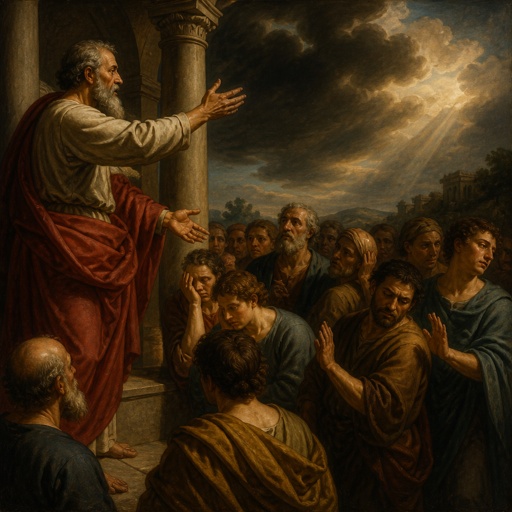
2 Timothy 4:3-4

1 Timothy 2:3 - "For this is good and acceptable in the sight of God our Saviour;"

2 Timothy 4 7

"For this is good and acceptable in the sight of God our Saviour;" - 1 Timothy 2:3

2 Timothy 3:4 - "Traitors, heady, highminded, lovers of pleasures more than lovers of God;"

1 Timothy 4:2 - "Speaking lies in hypocrisy; having their conscience seared with a hot iron;"

1 Timothy 3:4 - "One that ruleth well his own house, having his children in subjection with all gravity;"

2 Timothy 3:1 - "This know also, that in the last days perilous times shall come."

1 Timothy 2:4 - "Who will have all men to be saved, and to come unto the knowledge of the truth."

2 Timothy 4:3 - "For the time will come when they will not endure sound doctrine; but after their own lusts shall they heap to themselves teachers, having itching ears;"

2 Timothy 1:4 - "Greatly desiring to see thee, being mindful of thy tears, that I may be filled with joy;"

1 Timothy 2:8

1 Timothy 4:3 - "Forbidding to marry, and commanding to abstain from meats, which God hath created to be received with thanksgiving of them which believe and know the truth."

2 Timothy 1:3-4 - "I thank God, whom I serve, as my ancestors did, with a clear conscience, as night and day I constantly remember you in my prayers. Recalling your tears, I long to see you, so that I may be filled with joy."

1 Timothy 3:2 - "A bishop then must be blameless, the husband of one wife, vigilant, sober, of good behaviour, given to hospitality, apt to teach;"

1 Timothy 2:1-7

2 Timothy 4:3-4 - "For the time will come when they will not endure sound doctrine; but after their own lusts shall they heap to themselves teachers, having itching ears; And they shall turn away their ears from the truth, and shall be turned unto fables."

1 Timothy 4:15

2 Timothy 3:16

2 Timothy 4:5

1 Timothy 2:1-7

"Traitors, heady, highminded, lovers of pleasures more than lovers of God;" - 2 Timothy 3:4

1 Timothy 3:16

1 Timothy 3:15

2 Timothy 2:3 - "Thou therefore endure hardness, as a good soldier of Jesus Christ."

2 Timothy 4:1 - "I charge thee therefore before God, and the Lord Jesus Christ, who shall judge the quick and the dead at his appearing and his kingdom;"

1 Timothy 4:11 - "These things command and teach."

2 Timothy 4:12 - "And Tychicus have I sent to Ephesus."