What does 2 Chronicles 10:3 mean?
“And they sent and called him. So Jeroboam and all Israel came and spake to Rehoboam, saying,” — 2 Chronicles 10:3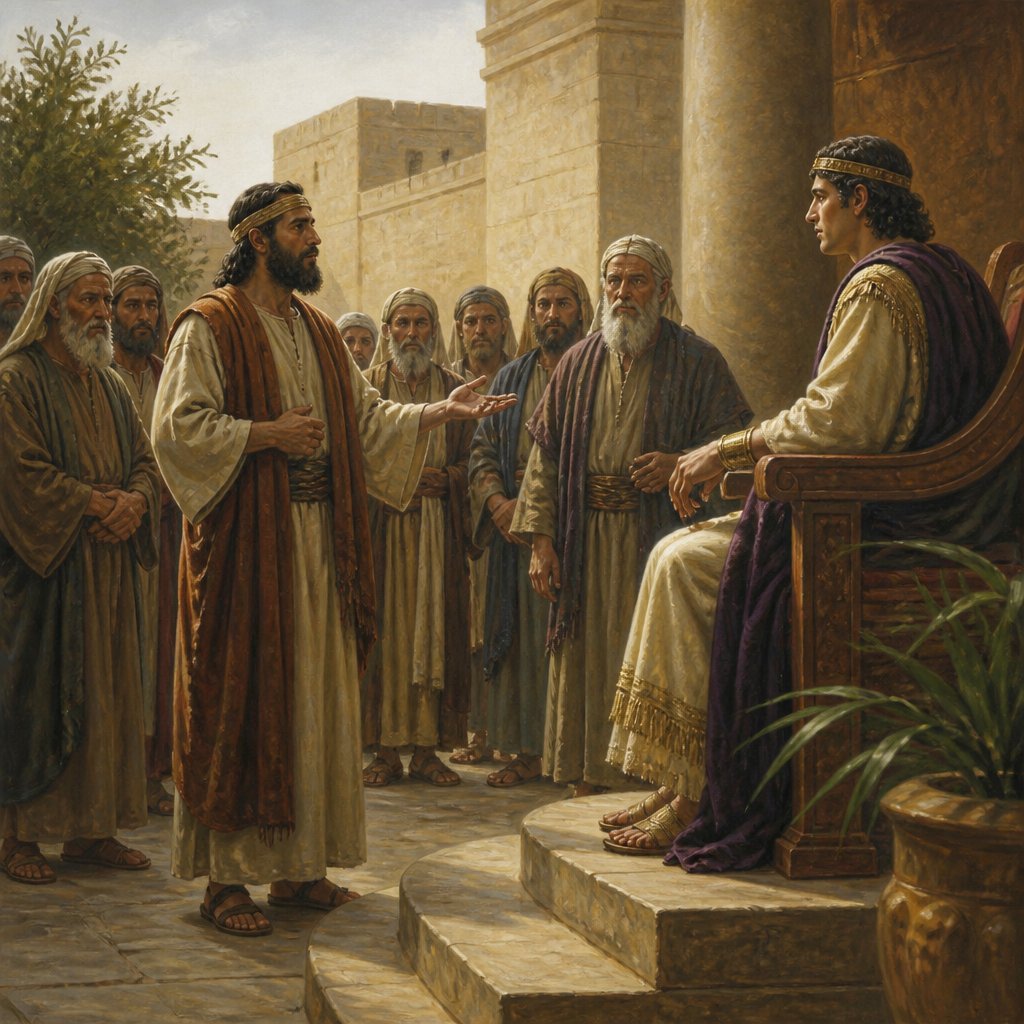
2 Chronicles 10:3 in the King James Version reads, "And they sent and called him. So Jeroboam and all Israel came and spake to Rehoboam, saying." This verse is a significant moment in the history of the ancient kingdom of Israel, and it holds several themes, contexts, and symbolism that are important for understanding the broader message of the Bible.
First, let's establish the context of this verse within the larger narrative of 2 Chronicles. The book of 2 Chronicles is a historical account of the kings of Israel and Judah, starting with the reign of Solomon and continuing through the division of the kingdom after his death. This particular verse comes at a pivotal moment in the story, as it marks the beginning of the divide between the northern kingdom of Israel, ruled by Jeroboam, and the southern kingdom of Judah, ruled by Rehoboam.
The theme of division is central to this verse and the surrounding narrative. After the death of Solomon, his son Rehoboam took the throne of the united kingdom of Israel. However, Jeroboam and the northern tribes of Israel felt that Rehoboam was imposing a heavy burden on them, and they sought to negotiate a lighter yoke. When Rehoboam refused to relent, the northern tribes rebelled and formed their own kingdom, leading to the split between Israel and Judah.
This verse also touches on the theme of leadership and the responsibilities of those in power. Rehoboam's response to the people's request for relief from their burdens reflects his lack of wisdom and understanding of the needs of his subjects. His failure to listen to the concerns of the northern tribes and his harsh response ultimately led to the division of the kingdom. This theme of leadership and the consequences of pride and arrogance is a recurring motif throughout the Bible.
Symbolically, this verse represents the beginning of a significant turning point in the history of Israel. The division of the kingdom not only had political and social ramifications but also spiritual and religious ones. The division weakened the united strength of God's people and opened the door to idolatry and other forms of disobedience. This event serves as a warning about the dangers of division and the importance of wise and just leadership.
Furthermore, this verse underscores the broader biblical theme of God's sovereignty and His faithfulness to His people. Despite the division and the subsequent struggles and hardships faced by both kingdoms, God remained present and active in their history. The division of the kingdom did not thwart God's plan or His promises to Abraham and David. Instead, it became a part of His redemptive narrative for His people, ultimately leading to the fulfillment of His covenant through the eventual coming of the Messiah.
In conclusion, 2 Chronicles 10:3 captures a pivotal moment in the history of Israel, reflecting themes of division, leadership, and God's sovereignty. It serves as a reminder of the consequences of pride and the importance of seeking God's wisdom in our decisions. This verse also points forward to the ultimate fulfillment of God's promises through Jesus Christ, who would bring reconciliation and unity to God's people. As such, this passage remains relevant and instructive for believers today as they navigate the challenges of leadership and seek unity in the body of Christ.
Get our apps


Artwork for 2 Chronicles 10:3

2 Chronicles 10:3 - "And they sent and called him. So Jeroboam and all Israel came and spake to Rehoboam, saying,"

"And they sent and called him. So Jeroboam and all Israel came and spake to Rehoboam, saying," - 2 Chronicles 10:3

2 Chronicles 3:10 - "And in the most holy house he made two cherubims of image work, and overlaid them with gold."

1 Chronicles 10:3 - "And the battle went sore against Saul, and the archers hit him, and he was wounded of the archers."

2 Chronicles 23:10

2 Chronicles 23:10

2 Chronicles 30:10

2 Chronicles 35:10

"And the battle went sore against Saul, and the archers hit him, and he was wounded of the archers." - 1 Chronicles 10:3

2 Chronicles 28:3

2 Chronicles 10:19 - "And Israel rebelled against the house of David unto this day."
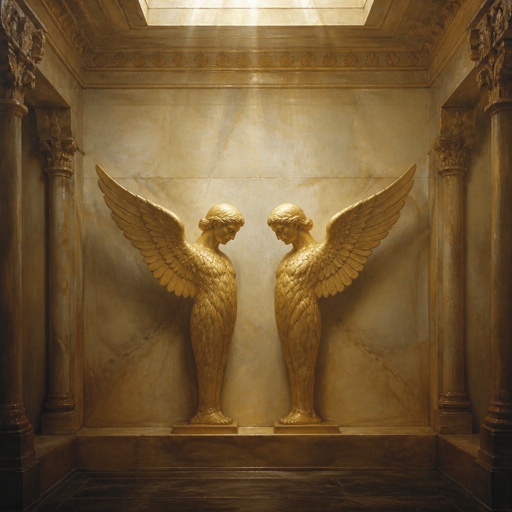
"And in the most holy house he made two cherubims of image work, and overlaid them with gold." - 2 Chronicles 3:10

2 corinthians 10:3-5

2 corinthians 10:3-5

2 corinthians 10:3-5

2 corinthians 10:3-5

2 corinthians 10:3-5

2 corinthians 10:3-5

2 corinthians 10:3-5

2 corinthians 10:3-5

2 corinthians 10:3-5

2 corinthians 10:3-5

2 corinthians 10:3-5

2 corinthians 10:3-5

1 Chronicles 3:10 - "¶ And Solomon's son was Rehoboam, Abia his son, Asa his son, Jehoshaphat his son,"

2 Chronicles 33:10 - "And the LORD spake to Manasseh, and to his people: but they would not hearken."

2 Chronicles 8:3 - "And Solomon went to Hamath-zobah, and prevailed against it."

2 Chronicles 11:10 - "And Zorah, and Aijalon, and Hebron, which are in Judah and in Benjamin fenced cities."

2 Chronicles 10:13 - "And the king answered them roughly; and king Rehoboam forsook the counsel of the old men,"

2 Chronicles 3:2 - "And he began to build in the second day of the second month, in the fourth year of his reign."