What does 2 Chronicles 11:22 mean?
“And Rehoboam made Abijah the son of Maachah the chief, to be ruler among his brethren: for he thought to make him king.” — 2 Chronicles 11:22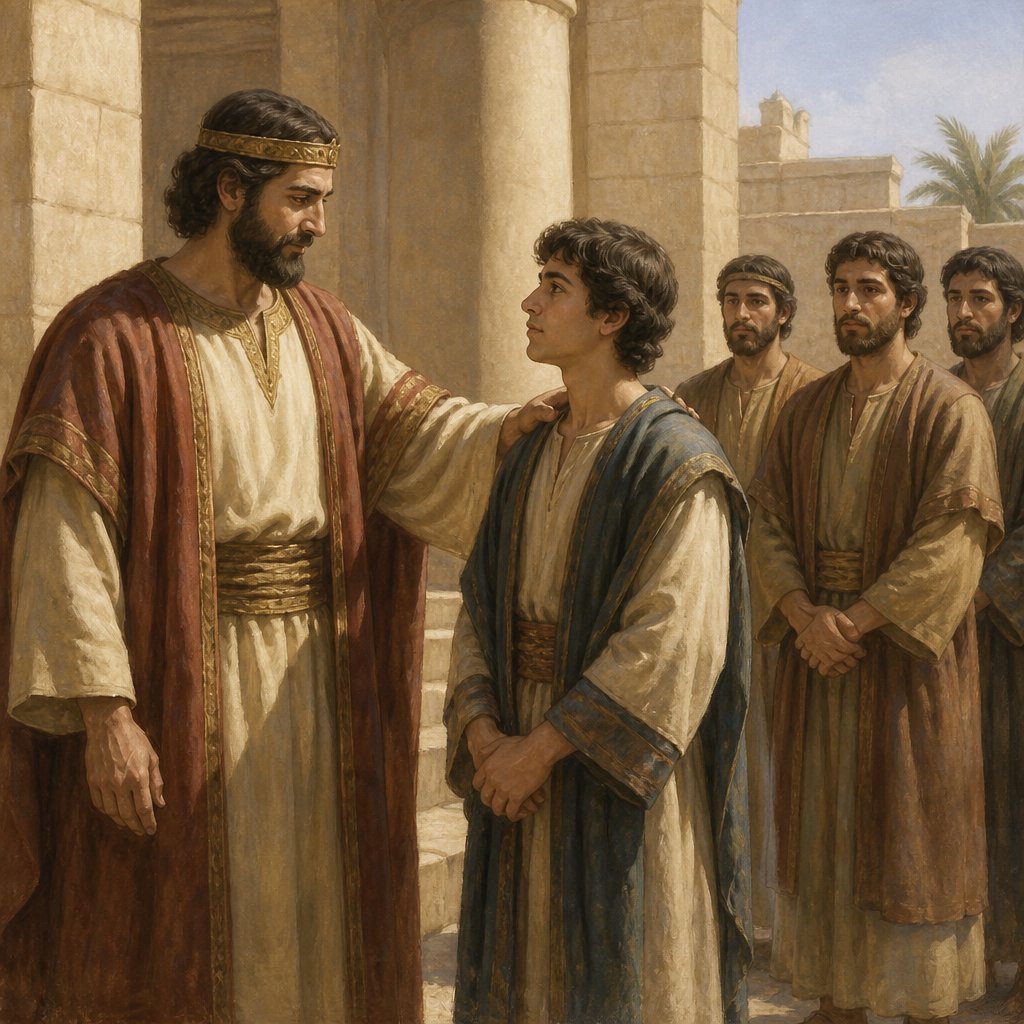
2 Chronicles 11:22 (KJV) states, “And Rehoboam made Abijah the son of Maachah the chief, to be ruler among his brethren: for he thought to make him king.”
This verse comes from the Old Testament of the Bible and specifically from the book of 2 Chronicles, which is a historical account of the reign of King Solomon and his successors. In this particular passage, we see the aftermath of the split of the kingdom of Israel into two separate entities: the northern kingdom of Israel and the southern kingdom of Judah. Rehoboam, the son of Solomon, is the first king of Judah, and he is faced with the challenge of solidifying his reign and maintaining order in his kingdom.
The verse mentions Rehoboam’s decision to appoint Abijah, the son of Maachah, as chief ruler among his brothers, with the intention of possibly making him king in the future. This indicates a strategic move on Rehoboam’s part to establish a line of succession and secure the stability of his reign. This decision also highlights the theme of leadership and the complexities of power dynamics within a royal family.
One of the key themes in this verse is the idea of succession and the transfer of power. In ancient monarchies, the question of who would succeed the ruling king was of utmost importance, as it determined the future of the kingdom and the continuity of its leadership. Rehoboam’s decision to elevate Abijah to a position of authority demonstrates his foresight and his concern for the future of his dynasty. This theme of succession is a recurring motif throughout the Bible, as the lineage of kings and the promises of God’s covenant are passed down from one generation to another.
The context of this verse is also important for understanding its significance. In the preceding chapters of 2 Chronicles, we are given a detailed account of the events leading up to the division of the kingdom of Israel. After the death of King Solomon, his son Rehoboam ascends to the throne, but faces opposition from the northern tribes over issues of taxation and governance. As a result, the kingdom is split, with Jeroboam becoming the king of the northern tribes, while Rehoboam remains the king of Judah. This division sets the stage for a tumultuous period in Israel’s history, marked by internal strife and external threats from neighboring nations.
In addition to its historical context, this verse also carries symbolic and spiritual significance. The appointment of Abijah as chief ruler among his brothers can be seen as a foreshadowing of God’s divine plan for the nation of Judah. Throughout the Bible, God often works through human agents and uses earthly institutions to accomplish His purpose. In this case, Rehoboam’s decision to appoint a successor reflects God’s sovereignty and His faithfulness to His chosen people. It also serves as a reminder that God’s plans for His people extend beyond the immediate circumstances and are rooted in His eternal wisdom.
Furthermore, the name “Abijah” itself holds symbolic meaning. In Hebrew, the name Abijah means “my father is Yahweh.” This name reflects the central importance of God’s fatherhood and divine authority in the unfolding history of Israel. By elevating Abijah to a position of leadership, Rehoboam is acknowledging the ultimate authority of God over the affairs of the kingdom and recognizing the role of faith in shaping the destiny of the nation.
In conclusion, 2 Chronicles 11:22 captures a pivotal moment in the history of ancient Israel, as well as conveying timeless themes of leadership, succession, and divine providence. Through its rich historical context, symbolic significance, and spiritual themes, this verse offers valuable insights into the complexities of human governance and the overarching purposes of God in the unfolding drama of salvation history. It serves as a reminder that God’s plans for His people are always at work, even in the midst of political intrigue and dynastic struggles.
Get our apps


Artwork for 2 Chronicles 11:22

2 Chronicles 11:22 - "And Rehoboam made Abijah the son of Maachah the chief, to be ruler among his brethren: for he thought to make him king."
"And Rehoboam made Abijah the son of Maachah the chief, to be ruler among his brethren: for he thought to make him king." - 2 Chronicles 11:22

2 Chronicles 36:22

2 Chronicles 4:22

2 Chronicles 11:20

2 Chronicles 35:11

2 Chronicles 11:2 - "But the word of the LORD came to Shemaiah the man of God, saying,"

2 Chronicles 11:9 - "And Adoraim, and Lachish, and Azekah,"

2 Chronicles 11:8 - "And Gath, and Mareshah, and Ziph,"

2 Chronicles 11:7 - "And Beth-zur, and Shoco, and Adullam,"

1 Chronicles 22:11 - "Now, my son, the LORD be with thee; and prosper thou, and build the house of the LORD thy God, as he hath said of thee."

2 Chronicles 9:22 - "And king Solomon passed all the kings of the earth in riches and wisdom."

2 Chronicles 11:11 - "And he fortified the strong holds, and put captains in them, and store of victual, and of oil and wine."

1 Chronicles 2:11 - "And Nahshon begat Salma, and Salma begat Boaz,"

2 Chronicles 25:22 - "And Judah was put to the worse before Israel, and they fled every man to his tent."

1 Chronicles 2:22 - "And Segub begat Jair, who had three and twenty cities in the land of Gilead."

2 Chronicles 11:19 - "Which bare him children; Jeush, and Shamariah, and Zaham."

2 Chronicles 11:5 - "¶ And Rehoboam dwelt in Jerusalem, and built cities for defence in Judah."

2 Chronicles 11:6 - "He built even Beth-lehem, and Etam, and Tekoa,"

2 Chronicles 22:12 - "And he was with them hid in the house of God six years: and Athaliah reigned over the land."

2 Chronicles 13:22 - "And the rest of the acts of Abijah, and his ways, and his sayings, are written in the story of the prophet Iddo."

2 Chronicles 31:11 - "¶ Then Hezekiah commanded to prepare chambers in the house of the LORD; and they prepared them,"

2 Chronicles 11:10 - "And Zorah, and Aijalon, and Hebron, which are in Judah and in Benjamin fenced cities."

2 Chronicles 28:22 - "¶ And in the time of his distress did he trespass yet more against the LORD: this is that king Ahaz."

2 Chronicles 22:3 - "He also walked in the ways of the house of Ahab: for his mother was his counsellor to do wickedly."

2 Chronicles 26:22 - "¶ Now the rest of the acts of Uzziah, first and last, did Isaiah the prophet, the son of Amoz, write."
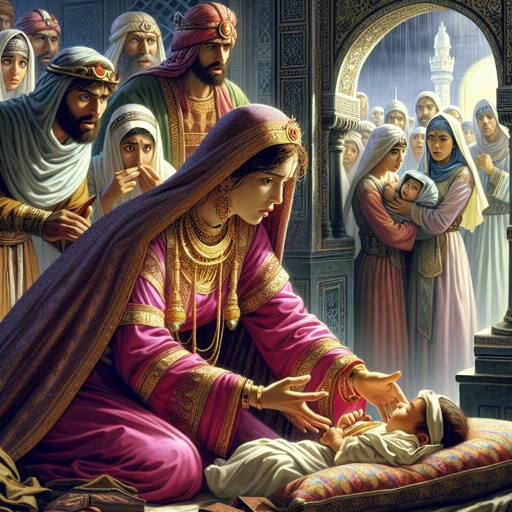
2 Chronicles 22:11 - "But Jehoshabeath, the daughter of the king, took Joash the son of Ahaziah, and stole him from among the king's sons that were slain, and put him and his nurse in a bedchamber. So Jehoshabeath, the daughter of king Jehoram, the wife of Jehoiada the priest, (for she was the sister of Ahaziah,) hid him from Athaliah, so that she slew him not."

2 Chronicles 30:11 - "Nevertheless divers of Asher and Manasseh and of Zebulun humbled themselves, and came to Jerusalem."

2 Kings 15:11 - "And the rest of the acts of Zachariah, behold, they are written in the book of the chronicles of the kings of Israel."

"And Adoraim, and Lachish, and Azekah," - 2 Chronicles 11:9