What does 2 Chronicles 13:7 mean?
“And there are gathered unto him vain men, the children of Belial, and have strengthened themselves against Rehoboam the son of Solomon, when Rehoboam was young and tenderhearted, and could not withstand them.” — 2 Chronicles 13:7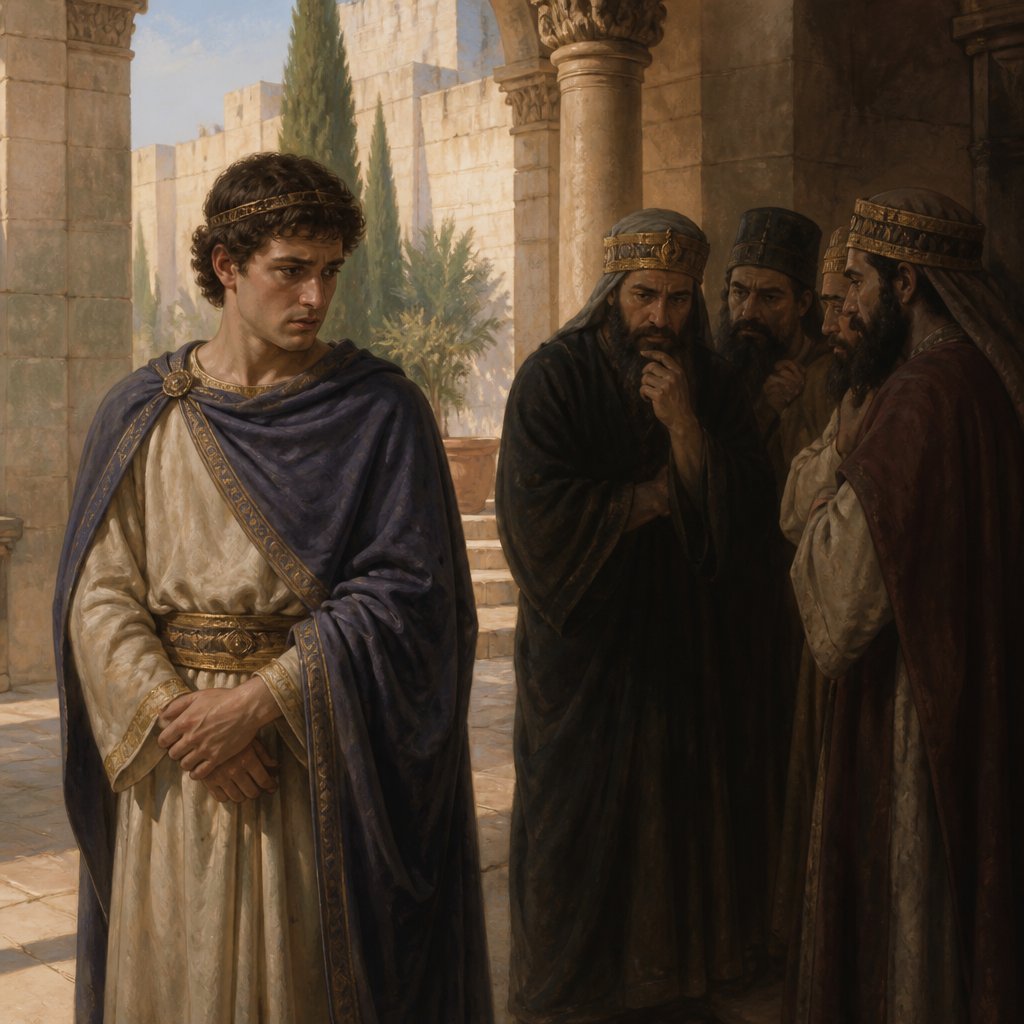
The Bible verse 2 Chronicles 13:7 from the King James Version (KJV) states, "And there are gathered unto him vain men, the children of Belial, and have strengthened themselves against Rehoboam the son of Solomon, when Rehoboam was young and tenderhearted, and could not withstand them."
This verse is part of a larger narrative found in the book of 2 Chronicles, which is a historical account of the kings of Judah and their relationship with God. In this particular verse, it recounts the reign of Rehoboam, the son of Solomon, and the conflict he faced with the northern kingdom of Israel, led by Jeroboam. The verse sets the stage for the confrontation between Rehoboam and Jeroboam, highlighting the fact that Rehoboam was young and tenderhearted, and the opposition he faced from vain and wicked men.
The themes present in this verse are power, strength, and the struggle between good and evil. Rehoboam, as a young and tenderhearted ruler, is portrayed as vulnerable and lacking in the strength needed to withstand the opposition he faced. The mention of "vain men, the children of Belial" symbolizes the forces of evil and wickedness that Rehoboam had to contend with. This verse serves as a reminder of the constant struggle between good and evil, and the challenges faced by those in positions of power.
The context of this verse is important for understanding its significance. Rehoboam's reign was marked by division and conflict within the kingdom of Judah. After the death of King Solomon, the nation of Israel was divided into two separate kingdoms – the southern kingdom of Judah, with Rehoboam as its king, and the northern kingdom of Israel, with Jeroboam as its king. This division resulted in political and religious tensions between the two kingdoms, ultimately leading to conflict and warfare.
The mention of the "children of Belial" in the verse is symbolic of the spiritual and moral corruption that had infiltrated the kingdom. Belial is a term used in the Bible to refer to wickedness, worthlessness, and base nature. The presence of such individuals in the narrative represents the forces of evil that sought to undermine the righteous rule of Rehoboam.
From a theological perspective, this verse serves as a reminder of the need for strength and resilience in the face of opposition and adversity. It illustrates the importance of being grounded in faith and righteousness, especially in times of political and social upheaval. Rehoboam's vulnerability as a young ruler highlights the challenges faced by those in positions of leadership, and the need for wisdom and discernment in navigating complex and volatile circumstances.
In conclusion, 2 Chronicles 13:7 is a significant verse that provides insight into the political and spiritual dynamics of the kingdom of Judah during the reign of Rehoboam. It highlights the themes of power, strength, and the struggle between good and evil, while also emphasizing the need for steadfastness and righteousness in the face of opposition. This verse continues to resonate with readers today, serving as a timeless reminder of the enduring battle between light and darkness.
Get our apps


Artwork for 2 Chronicles 13:7

2 Chronicles 13:7 - "And there are gathered unto him vain men, the children of Belial, and have strengthened themselves against Rehoboam the son of Solomon, when Rehoboam was young and tenderhearted, and could not withstand them."
"And there are gathered unto him vain men, the children of Belial, and have strengthened themselves against Rehoboam the son of Solomon, when Rehoboam was young and tenderhearted, and could not withstand them." - 2 Chronicles 13:7

2 Chronicles 7:13 - "If I shut up heaven that there be no rain, or if I command the locusts to devour the land, or if I send pestilence among my people;"

2 chronicles 13:12

1 Chronicles 7:13 - "¶ The sons of Naphtali; Jahziel, and Guni, and Jezer, and Shallum, the sons of Bilhah."

2 Chronicles 6:13

2 chronicles 7:14

2 chronicles 7:14

1 Chronicles 13:7 - "And they carried the ark of God in a new cart out of the house of Abinadab: and Uzza and Ahio drave the cart."

2 Chronicles 11:7 - "And Beth-zur, and Shoco, and Adullam,"

2 Chronicles 2:13 - "And now I have sent a cunning man, endued with understanding, of Huram my father's,"

2 Chronicles 13:13 - "¶ But Jeroboam caused an ambushment to come about behind them: so they were before Judah, and the ambushment was behind them."

2 Chronicles 29:13 - "And of the sons of Elizaphan; Shimri, and Jeiel: and of the sons of Asaph; Zechariah, and Mattaniah:"

2 Chronicles 13:1 - "Now in the eighteenth year of king Jeroboam began Abijah to reign over Judah."

2 Chronicles 7:4 - "¶ Then the king and all the people offered sacrifices before the LORD."

2 Chronicles 20:13 - "And all Judah stood before the LORD, with their little ones, their wives, and their children."

2 Chronicles 13:16 - "And the children of Israel fled before Judah: and God delivered them into their hand."

1 Chronicles 2:13 - "¶ And Jesse begat his firstborn Eliab, and Abinadab the second, and Shimma the third,"

2 Chronicles 7:2 - "And the priests could not enter into the house of the LORD, because the glory of the LORD had filled the LORD'S house."

2 Chronicles 10:13 - "And the king answered them roughly; and king Rehoboam forsook the counsel of the old men,"

2 Chronicles 16:13 - "¶ And Asa slept with his fathers, and died in the one and fortieth year of his reign."

2 Chronicles 11:13 - "¶ And the priests and the Levites that were in all Israel resorted to him out of all their coasts."

Humble ourselves and pray 2 Chronicles 7:14

1 Chronicles 2:7 - "And the sons of Carmi; Achar, the troubler of Israel, who transgressed in the thing accursed."
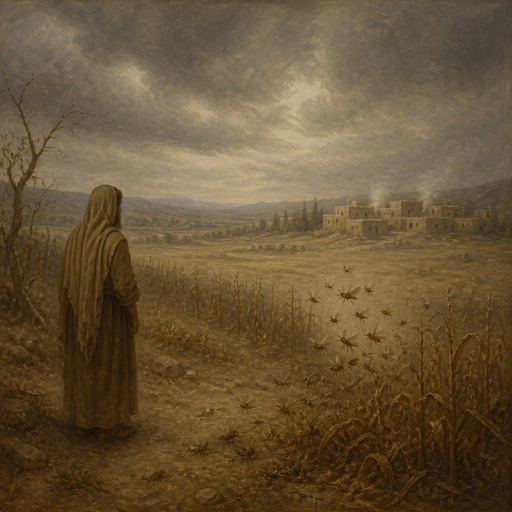
"If I shut up heaven that there be no rain, or if I command the locusts to devour the land, or if I send pestilence among my people;" - 2 Chronicles 7:13

2 Chronicles 13:21 - "¶ But Abijah waxed mighty, and married fourteen wives, and begat twenty and two sons, and sixteen daughters."

2 Chronicles 18:13 - "And Micaiah said, As the LORD liveth, even what my God saith, that will I speak."

2 Chronicles 13:22 - "And the rest of the acts of Abijah, and his ways, and his sayings, are written in the story of the prophet Iddo."

2 Chronicles 13:2 - "He reigned three years in Jerusalem. His mother's name also was Michaiah the daughter of Uriel of Gibeah. And there was war between Abijah and Jeroboam."

2 Chronicles 26:7 - "And God helped him against the Philistines, and against the Arabians that dwelt in Gurbaal, and the Mehunims."