What does 2 Chronicles 30:7 mean?
“And be not ye like your fathers, and like your brethren, which trespassed against the LORD God of their fathers, who therefore gave them up to desolation, as ye see.” — 2 Chronicles 30:7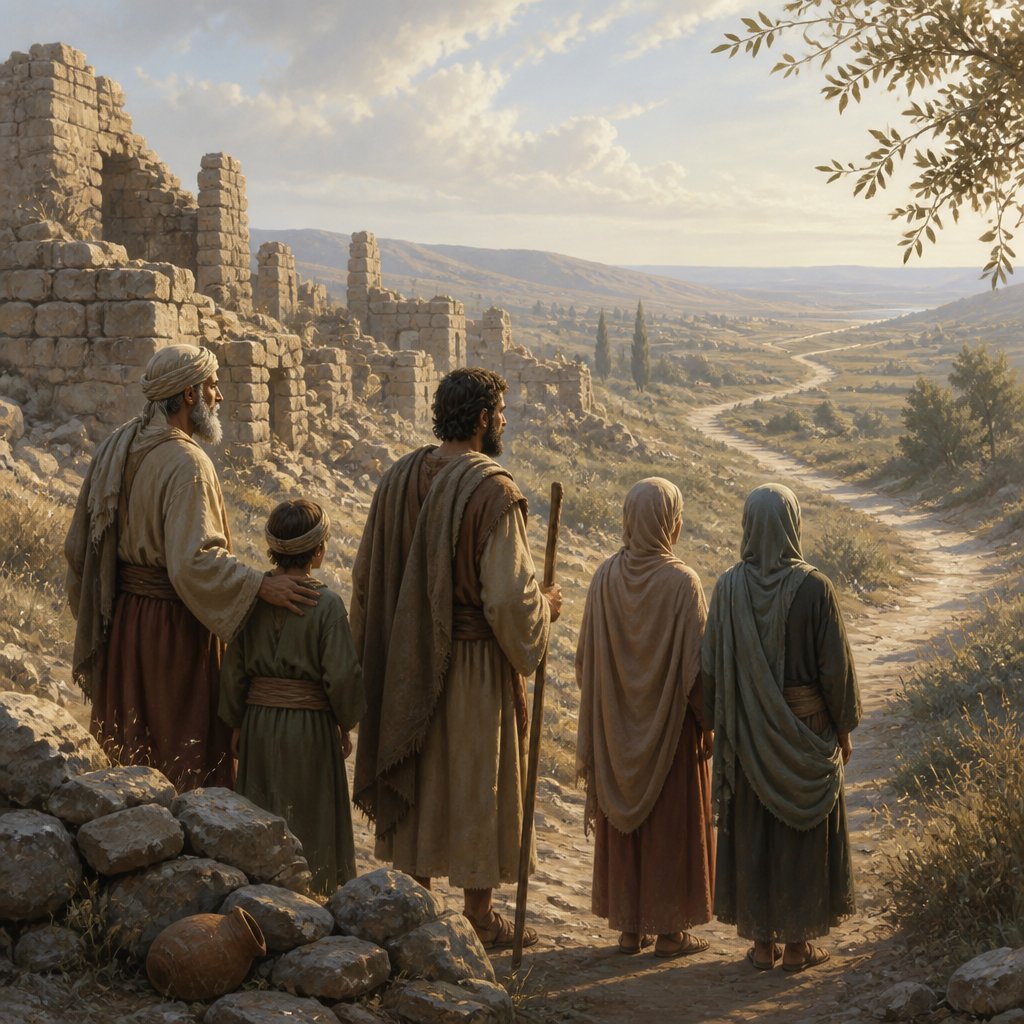
The verse 2 Chronicles 30:7 from the King James Version of the Bible reads, "And be not ye like your fathers, and like your brethren, which trespassed against the LORD God of their fathers, who therefore gave them up to desolation, as ye see." This verse appears in the context of King Hezekiah's efforts to bring the people of Judah back to the worship of the LORD.
The theme of this verse is one of repentance and redemption. It serves as a reminder to the people of Judah not to repeat the mistakes of their ancestors. The verse acknowledges the past transgressions of the fathers and brethren of the people of Judah, and warns them of the consequence of such trespasses. It also emphasizes the importance of remaining faithful to the LORD in order to avoid desolation.
It is important to understand the historical and cultural context in which this verse is situated. King Hezekiah became king of Judah at a time when the kingdom was in spiritual decline. The people had turned away from the worship of the LORD and had adopted the practices of idolatry. Hezekiah sought to bring about religious reform, and part of his efforts included calling the people to observe the Passover, a central religious festival in the Israelite tradition.
The verse 2 Chronicles 30:7 is part of Hezekiah's appeal to the priests and Levites to return to the LORD and consecrate themselves. He reminds them not to be like their forefathers and brethren, who had trespassed against the LORD and brought desolation upon themselves. Hezekiah's words are a plea for the people to learn from the mistakes of their ancestors and to seek the forgiveness and mercy of the LORD.
The symbolism in this verse lies in the contrast between faithfulness and disobedience. The "fathers and brethren" who trespassed against the LORD serve as a symbol of those who have turned away from God and suffered the consequences of their actions. In contrast, the call to the people of Judah to not be like their forefathers and to consecrate themselves represents the opportunity for repentance and redemption. The desolation that the verse mentions is a symbol of the spiritual and physical consequences of turning away from the LORD.
In a broader theological context, this verse speaks to the importance of learning from the mistakes of the past and seeking forgiveness and redemption. It acknowledges the human tendency to stray from the path of righteousness and emphasizes the need for repentance in order to restore the relationship with God.
In conclusion, 2 Chronicles 30:7 is a powerful reminder of the consequences of disobedience and the opportunity for repentance and redemption. It addresses the historical context of religious reform in Judah and carries a timeless message about the importance of remaining faithful to the LORD. The verse serves as a call to learn from the mistakes of the past and to seek forgiveness and restoration in our relationship with God.
Get our apps


Artwork for 2 Chronicles 30:7

2 Chronicles 30:7 - "And be not ye like your fathers, and like your brethren, which trespassed against the LORD God of their fathers, who therefore gave them up to desolation, as ye see."
"And be not ye like your fathers, and like your brethren, which trespassed against the LORD God of their fathers, who therefore gave them up to desolation, as ye see." - 2 Chronicles 30:7

1 Chronicles 7:30 - "The sons of Asher; Imnah, and Isuah, and Ishuai, and Beriah, and Serah their sister."

2 Chronicles 30:10

2 Chronicles 30:4 - "And the thing pleased the king and all the congregation."

2 Chronicles 30:20 - "And the LORD hearkened to Hezekiah, and healed the people."

2 Chronicles 9:30 - "And Solomon reigned in Jerusalem over all Israel forty years."

1 Chronicles 2:30 - "And the sons of Nadab; Seled, and Appaim: but Seled died without children."

2 Chronicles 30:2 - "For the king had taken counsel, and his princes, and all the congregation in Jerusalem, to keep the passover in the second month."

2 Chronicles 30:11 - "Nevertheless divers of Asher and Manasseh and of Zebulun humbled themselves, and came to Jerusalem."

2 Chronicles 20:30 - "So the realm of Jehoshaphat was quiet: for his God gave him rest round about."

2 chronicles 7:14

2 chronicles 7:14

2 Chronicles 30:23 - "And the whole assembly took counsel to keep other seven days: and they kept other seven days with gladness."

2 Chronicles 30:26 - "So there was great joy in Jerusalem: for since the time of Solomon the son of David king of Israel there was not the like in Jerusalem."

2 Chronicles 30:13 - "¶ And there assembled at Jerusalem much people to keep the feast of unleavened bread in the second month, a very great congregation."

"The sons of Asher; Imnah, and Isuah, and Ishuai, and Beriah, and Serah their sister." - 1 Chronicles 7:30

"And the LORD hearkened to Hezekiah, and healed the people." - 2 Chronicles 30:20

"And the thing pleased the king and all the congregation." - 2 Chronicles 30:4

2 Chronicles 30:12 - "Also in Judah the hand of God was to give them one heart to do the commandment of the king and of the princes, by the word of the LORD."

2 Chronicles 11:7 - "And Beth-zur, and Shoco, and Adullam,"

2 Chronicles 30:14 - "And they arose and took away the altars that were in Jerusalem, and all the altars for incense took they away, and cast them into the brook Kidron."

2 Chronicles 30:19 - "That prepareth his heart to seek God, the LORD God of his fathers, though he be not cleansed according to the purification of the sanctuary."

2 Chronicles 30:3 - "For they could not keep it at that time, because the priests had not sanctified themselves sufficiently, neither had the people gathered themselves together to Jerusalem."

2 Chronicles 30:16 - "And they stood in their place after their manner, according to the law of Moses the man of God: the priests sprinkled the blood, which they received of the hand of the Levites."

2 Chronicles 30:27 - "¶ Then the priests the Levites arose and blessed the people: and their voice was heard, and their prayer came up to his holy dwelling place, even unto heaven."

2 Chronicles 30:15 - "Then they killed the passover on the fourteenth day of the second month: and the priests and the Levites were ashamed, and sanctified themselves, and brought in the burnt offerings into the house of the LORD."

2 Chronicles 7:4 - "¶ Then the king and all the people offered sacrifices before the LORD."

2 Chronicles 18:30 - "Now the king of Syria had commanded the captains of the chariots that were with him, saying, Fight ye not with small or great, save only with the king of Israel."

2 Chronicles 30:10 - "So the posts passed from city to city through the country of Ephraim and Manasseh even unto Zebulun: but they laughed them to scorn, and mocked them."