What does 2 Chronicles 35:25 mean?
“And Jeremiah lamented for Josiah: and all the singing men and the singing women spake of Josiah in their lamentations to this day, and made them an ordinance in Israel: and, behold, they are written in the lamentations.” — 2 Chronicles 35:25
2 Chronicles 35:25 (KJV) - "And Jeremiah lamented for Josiah: and all the singing men and the singing women spake of Josiah in their lamentations to this day, and made them an ordinance in Israel: and, behold, they are written in the lamentations."
This verse comes at the end of the account of the death of Josiah, the righteous king of Judah who reigned from 640-609 BC. Josiah was just eight years old when he became king, and he is remembered for his efforts to reform and restore the worship of God in Judah. He instituted religious reforms, including the repair of the temple and the reinstitution of the Passover, which had been neglected for many years. His reign is described in 2 Chronicles 34-35.
The context of this verse is the aftermath of Josiah’s death. The prophet Jeremiah, who was a contemporary of Josiah, lamented for him, as did all the singing men and singing women of Israel. The lamentations for Josiah were so powerful and moving that they became an ordinance in Israel, and were still being spoken of and written down at the time the Chronicler recorded this account.
The verse is full of deep themes and rich symbolism that speak to the legacy and impact of Josiah’s life and reign. It reflects on the grief and mourning of the people for their beloved king, but also on the enduring memory and importance of his reign.
One of the central themes of this verse is the theme of lamentation and mourning. The fact that Jeremiah, a prominent prophet, lamented for Josiah indicates the depth of the loss that the nation felt at his passing. Lamentation is a powerful theme throughout the Bible, and it reflects the deep sense of loss and longing that the people experienced when a righteous leader like Josiah was taken away from them. The fact that the lamentations for Josiah became an ordinance in Israel indicates the enduring impact of his reign and the way in which his memory continued to shape the religious and cultural life of the nation.
Another important theme in this verse is the theme of legacy and memory. The fact that the singing men and women continued to speak of Josiah in their lamentations “to this day” speaks to the lasting impact of his life and reign. His legacy endured long after he was gone, and the memory of his righteousness and his reforms continued to shape the identity of the nation. This theme speaks to the power of righteous leadership and the enduring impact of those who seek to honor and serve God faithfully.
The symbolism in this verse is also rich and evocative. The fact that the lamentations for Josiah were written down and became an ordinance in Israel symbolizes the way in which his memory was enshrined and preserved for future generations. The act of writing down these lamentations is a powerful symbol of the enduring legacy of Josiah’s life and reign. It also speaks to the power of memory and the way in which the stories and experiences of the past continue to shape and influence the present.
In conclusion, 2 Chronicles 35:25 is a verse that reflects on the deep grief and mourning of the people at the passing of their righteous king, Josiah. It also speaks to the enduring impact of his life and reign, and the way in which his memory continued to shape the identity and the religious life of the nation. It is a verse that speaks to the power of lamentation, the enduring legacy of righteous leadership, and the way in which memory and tradition continue to shape and influence our lives.
Get our apps


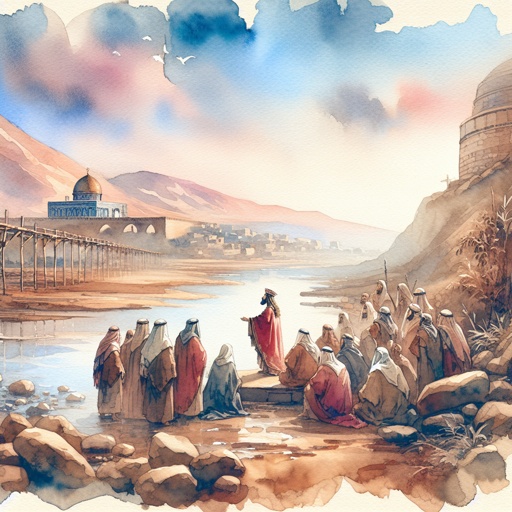
Artwork for 2 Chronicles 35:25

2 Chronicles 35:25 - "¶ And Jeremiah lamented for Josiah: and all the singing men and the singing women spake of Josiah in their lamentations to this day, and made them an ordinance in Israel: and, behold, they are written in the lamentations."

"¶ And Jeremiah lamented for Josiah: and all the singing men and the singing women spake of Josiah in their lamentations to this day, and made them an ordinance in Israel: and, behold, they are written in the lamentations." - 2 Chronicles 35:25
2 Chronicles 35:23

2 Chronicles 35:10

2 Chronicles 35:11

2 Chronicles 35:2 - "And he set the priests in their charges, and encouraged them to the service of the house of the LORD,"

2 Chronicles 35:19 - "In the eighteenth year of the reign of Josiah was this passover kept."

2 Chronicles 6:35 - "Then hear thou from the heavens their prayer and their supplication, and maintain their cause."

2 Chronicles 35:27 - "And his deeds, first and last, behold, they are written in the book of the kings of Israel and Judah."

2 Chronicles 35:10 - "So the service was prepared, and the priests stood in their place, and the Levites in their courses, according to the king's commandment."

2 Chronicles 35:26 - "Now the rest of the acts of Josiah, and his goodness, according to that which was written in the law of the LORD,"

2 Chronicles 25:2 - "And he did that which was right in the sight of the LORD, but not with a perfect heart."

2 Chronicles 35:17 - "And the children of Israel that were present kept the passover at that time, and the feast of unleavened bread seven days."

1 Chronicles 2:35 - "And Sheshan gave his daughter to Jarha his servant to wife; and she bare him Attai."

2 Chronicles 35:1 - "Moreover Josiah kept a passover unto the LORD in Jerusalem: and they killed the passover on the fourteenth day of the first month."

2 Chronicles 25:25 - "¶ And Amaziah the son of Joash king of Judah lived after the death of Joash son of Jehoahaz king of Israel fifteen years."

2 Chronicles 35:5 - "And stand in the holy place according to the divisions of the families of the fathers of your brethren the people, and after the division of the families of the Levites."

2 Chronicles 20:35 - "¶ And after this did Jehoshaphat king of Judah join himself with Ahaziah king of Israel, who did very wickedly:"

2 Chronicles 35:6 - "So kill the passover, and sanctify yourselves, and prepare your brethren, that they may do according to the word of the LORD by the hand of Moses."

2 Chronicles 35:23 - "And the archers shot at king Josiah; and the king said to his servants, Have me away; for I am sore wounded."

"In the eighteenth year of the reign of Josiah was this passover kept." - 2 Chronicles 35:19

"And he set the priests in their charges, and encouraged them to the service of the house of the LORD," - 2 Chronicles 35:2

2 Chronicles 25:28 - "And they brought him upon horses, and buried him with his fathers in the city of Judah."

2 Chronicles 25:22 - "And Judah was put to the worse before Israel, and they fled every man to his tent."

2 Chronicles 35:4 - "And prepare yourselves by the houses of your fathers, after your courses, according to the writing of David king of Israel, and according to the writing of Solomon his son."

2 Chronicles 35:13 - "And they roasted the passover with fire according to the ordinance: but the other holy offerings sod they in pots, and in caldrons, and in pans, and divided them speedily among all the people."

2 Chronicles 35:12 - "And they removed the burnt offerings, that they might give according to the divisions of the families of the people, to offer unto the LORD, as it is written in the book of Moses. And so did they with the oxen."

2 Chronicles 29:35 - "And also the burnt offerings were in abundance, with the fat of the peace offerings, and the drink offerings for every burnt offering. So the service of the house of the LORD was set in order."

1 Chronicles 2:25 - "¶ And the sons of Jerahmeel the firstborn of Hezron were, Ram the firstborn, and Bunah, and Oren, and Ozem, and Ahijah."

2 Chronicles 35:16 - "So all the service of the LORD was prepared the same day, to keep the passover, and to offer burnt offerings upon the altar of the LORD, according to the commandment of king Josiah."