What does 2 Chronicles 4:13 mean?
“And four hundred pomegranates on the two wreaths; two rows of pomegranates on each wreath, to cover the two pommels of the chapiters which were upon the pillars.” — 2 Chronicles 4:13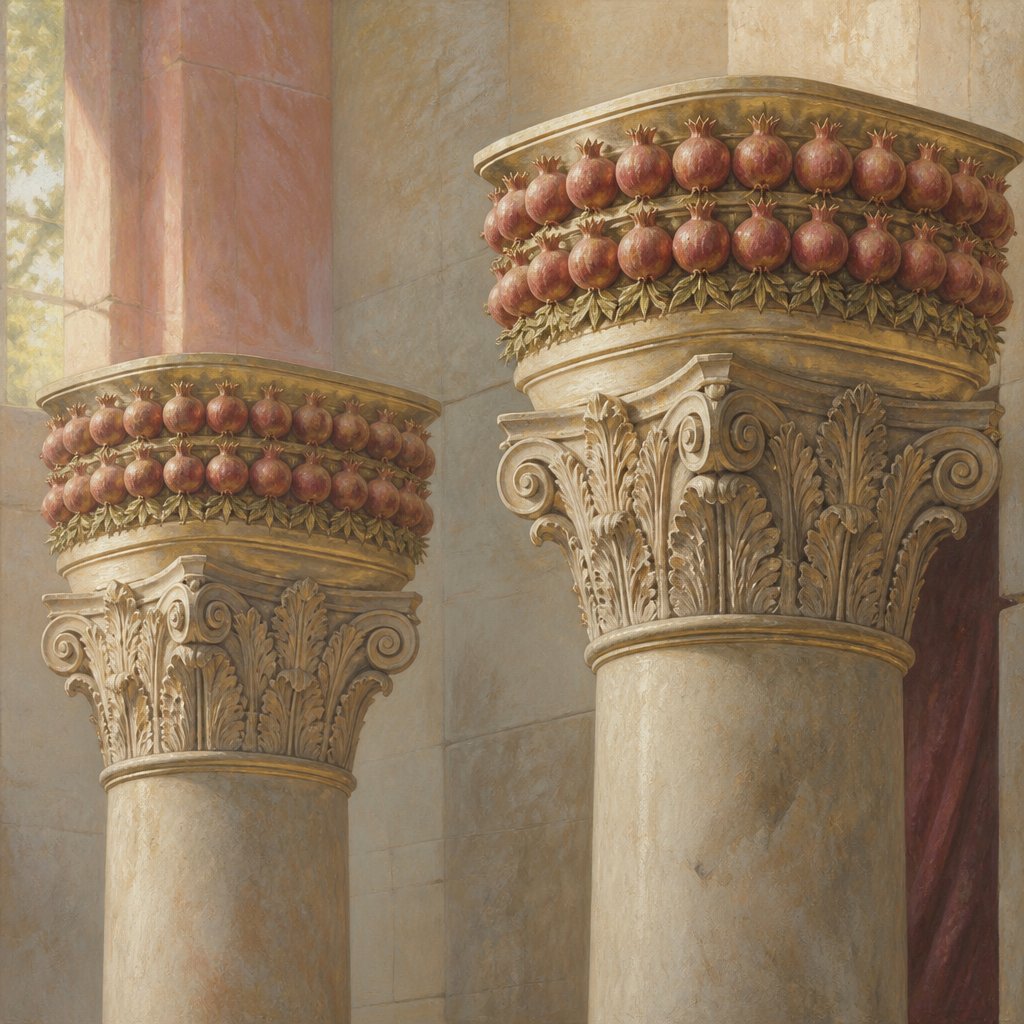
2 Chronicles 4:13 (KJV): "And four hundred pomegranates on the two wreaths; two rows of pomegranates on each wreath, to cover the two pommels of the chapiters which were upon the pillars."
In order to truly understand the meaning and significance of this verse, it is important to first consider its broader context within the Bible. The book of 2 Chronicles is part of the historical books in the Old Testament and focuses on the reign of King Solomon and the construction of the temple in Jerusalem. This verse specifically details the intricate design and adornment of the two pillars that stood at the entrance of the temple.
The significance of the number four hundred pomegranates reflects the meticulous attention to detail and the grandeur of the temple. Pomegranates were a common motif in ancient Near Eastern art and were often associated with fertility, abundance, and prosperity. The use of pomegranates in the temple's design symbolizes God's blessings and the abundance of His grace upon His people.
The emphasis on the pomegranates covering the chapiters of the pillars highlights the importance of ornamentation and beauty in the worship of God. The intricate design of the temple and its furnishings reflects the belief that God deserves the best and most beautiful offerings from His people.
In addition to its literal meaning, this verse holds symbolic significance as well. The number four is often associated with the material world, creation, and the physical realm. In this context, the four hundred pomegranates may symbolize the abundance and richness of the material blessings that God bestows upon His people.
Furthermore, the pomegranates themselves carry symbolic meaning. In Jewish tradition, the pomegranate is often seen as a symbol of righteousness, fertility, and the sweetness of Torah. The many seeds within the pomegranate are said to represent the 613 commandments found in the Torah, emphasizing the importance of living a righteous and obedient life.
The use of pomegranates to adorn the pillars also serves as a reminder of the ideal of the temple itself. The temple was meant to be a place of worship, where God's presence dwelled among His people. As such, every aspect of its construction and design was meant to reflect the glory and majesty of God.
From a broader perspective, the careful attention to detail and symbolism in the design of the temple reminds believers of the importance of offering their very best to God. In the New Testament, the Apostle Paul urges Christians to present their bodies as living sacrifices, holy and pleasing to God, as an act of spiritual worship (Romans 12:1).
In conclusion, 2 Chronicles 4:13 offers a rich tapestry of meaning, symbolism, and significance. It serves as a reminder of the meticulous care and attention to detail that was given to the construction of the temple, as well as the symbolic richness of its design. This verse encourages believers to offer their very best to God, recognizing His abundant blessings and the need to worship Him with reverence and beauty.
Get our apps


Artwork for 2 Chronicles 4:13
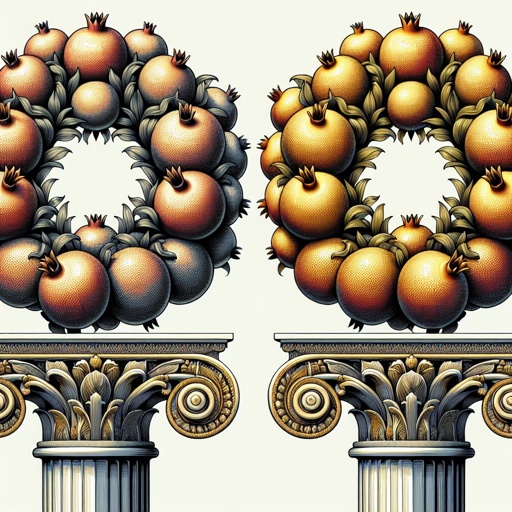
2 Chronicles 4:13 - "And four hundred pomegranates on the two wreaths; two rows of pomegranates on each wreath, to cover the two pommels of the chapiters which were upon the pillars."
"And four hundred pomegranates on the two wreaths; two rows of pomegranates on each wreath, to cover the two pommels of the chapiters which were upon the pillars." - 2 Chronicles 4:13

2 Chronicles 13:4 - "¶ And Abijah stood up upon mount Zemaraim, which is in mount Ephraim, and said, Hear me, thou Jeroboam, and all Israel;"

1 Chronicles 4:13 - "And the sons of Kenaz; Othniel, and Seraiah: and the sons of Othniel; Hathath."

2 Chronicles 4:22

2 Chronicles 6:13

2 chronicles 13:12

1 Chronicles 13:4 - "And all the congregation said that they would do so: for the thing was right in the eyes of all the people."

2 Chronicles 2:13 - "And now I have sent a cunning man, endued with understanding, of Huram my father's,"

2 Chronicles 13:13 - "¶ But Jeroboam caused an ambushment to come about behind them: so they were before Judah, and the ambushment was behind them."

"And the sons of Kenaz; Othniel, and Seraiah: and the sons of Othniel; Hathath." - 1 Chronicles 4:13

2 Chronicles 29:13 - "And of the sons of Elizaphan; Shimri, and Jeiel: and of the sons of Asaph; Zechariah, and Mattaniah:"

2 Chronicles 4:15 - "One sea, and twelve oxen under it."

2 Chronicles 30:4 - "And the thing pleased the king and all the congregation."

2 Chronicles 20:13 - "And all Judah stood before the LORD, with their little ones, their wives, and their children."

2 Chronicles 13:16 - "And the children of Israel fled before Judah: and God delivered them into their hand."

1 Chronicles 2:13 - "¶ And Jesse begat his firstborn Eliab, and Abinadab the second, and Shimma the third,"

2 Chronicles 13:1 - "Now in the eighteenth year of king Jeroboam began Abijah to reign over Judah."

2 Chronicles 10:13 - "And the king answered them roughly; and king Rehoboam forsook the counsel of the old men,"

2 Chronicles 16:13 - "¶ And Asa slept with his fathers, and died in the one and fortieth year of his reign."

2 Chronicles 11:13 - "¶ And the priests and the Levites that were in all Israel resorted to him out of all their coasts."

2 Chronicles 7:4 - "¶ Then the king and all the people offered sacrifices before the LORD."

2 Chronicles 18:13 - "And Micaiah said, As the LORD liveth, even what my God saith, that will I speak."

2 Chronicles 13:22 - "And the rest of the acts of Abijah, and his ways, and his sayings, are written in the story of the prophet Iddo."

"One sea, and twelve oxen under it." - 2 Chronicles 4:15

2 Chronicles 4:14 - "He made also bases, and lavers made he upon the bases;"

2 Chronicles 4:21 - "And the flowers, and the lamps, and the tongs, made he of gold, and that perfect gold;"

2 Chronicles 24:4 - "¶ And it came to pass after this, that Joash was minded to repair the house of the LORD."

2 Chronicles 5:4 - "And all the elders of Israel came; and the Levites took up the ark."

2 Chronicles 13:2 - "He reigned three years in Jerusalem. His mother's name also was Michaiah the daughter of Uriel of Gibeah. And there was war between Abijah and Jeroboam."