What does 2 Chronicles 6:30 mean?
“Then hear thou from heaven thy dwelling place, and forgive, and render unto every man according unto all his ways, whose heart thou knowest; ( for thou only knowest the hearts of the children of men:)” — 2 Chronicles 6:30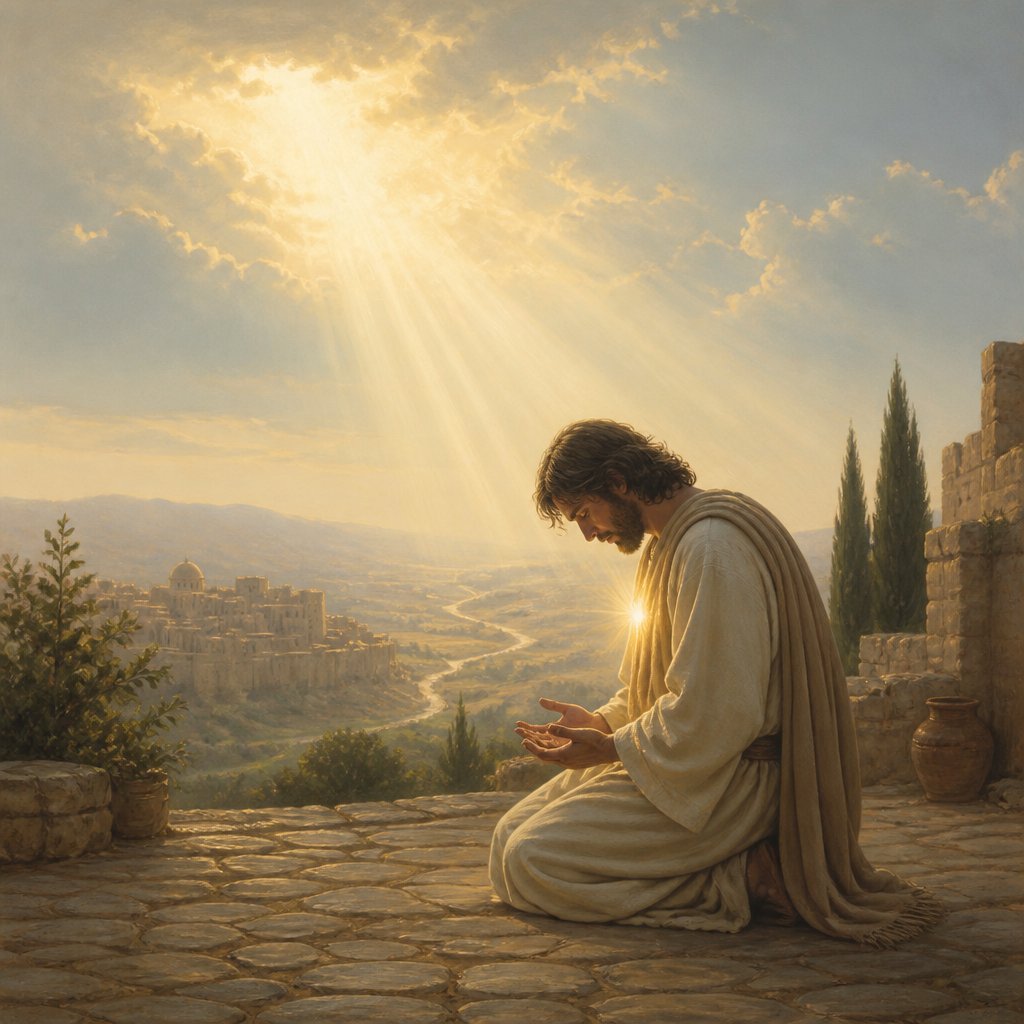
The verse 2 Chronicles 6:30, from the King James Version of the Bible, states: "Then hear thou from heaven thy dwelling place, and forgive, and render unto every man according unto all his ways, whose heart thou knowest; (for thou only knowest the hearts of the children of men:)"
This verse is part of King Solomon's prayer of dedication for the temple in Jerusalem. In the larger context of 2 Chronicles 6, Solomon has gathered the people of Israel together to witness the completion of the temple and to pray for God's presence and blessing upon it. This particular verse comes towards the end of Solomon's prayer, as he beseeches God to hear the prayers of the people, forgive their sins, and judge each person according to their heart.
The theme of forgiveness and divine judgment is prevalent in this verse. Solomon acknowledges that only God truly knows the hearts of men, and therefore, only God is able to render judgment and forgive sins accordingly. This speaks to the omniscience and righteousness of God, emphasizing that he alone is qualified to judge and forgive.
The context of this verse is also significant. The dedication of the temple in Jerusalem was a major event in the history of Israel, signifying the establishment of a central place for God's presence and worship. Solomon's prayer was a crucial part of this dedication, as he sought God's favor and blessing upon the temple and its people. Therefore, this verse reflects the solemn atmosphere of the occasion, as Solomon earnestly implores God to listen to the prayers of his people and to extend his mercy and grace.
Symbolism can be found in the concept of God's dwelling place in heaven. The temple in Jerusalem was considered to be the earthly dwelling place of God, where his presence was believed to reside. When Solomon prays for God to hear from heaven, it signifies the connection between the earthly temple and God's heavenly abode. It also represents the transcendence and majesty of God, as well as his accessibility to his people through prayer and supplication.
Furthermore, the emphasis on the knowledge of the heart as belonging exclusively to God underscores the importance of sincerity and integrity in one's relationship with God. Solomon recognizes that God's judgment is based on the true intentions and attitudes of the heart, rather than external appearances or actions. This serves as a reminder to the people of Israel that their worship and devotion must be genuine and heartfelt, and that God looks beyond outward observance to the inner motivations of the individual.
In conclusion, 2 Chronicles 6:30 is a powerful and poignant verse that encapsulates the themes of forgiveness, divine judgment, and the solemn dedication of the temple in Jerusalem. It serves as a reminder of God's omniscience and righteousness, as well as the importance of sincerity and integrity in one's relationship with him. The verse also symbolizes the connection between the earthly and heavenly realms, and the accessibility of God through prayer. Overall, it is a poignant and profound expression of Solomon's prayer for the favor and mercy of God upon his people and their place of worship.
Get our apps


Artwork for 2 Chronicles 6:30

2 Chronicles 6:30 - "Then hear thou from heaven thy dwelling place, and forgive, and render unto every man according unto all his ways, whose heart thou knowest; (for thou only knowest the hearts of the children of men:)"
"Then hear thou from heaven thy dwelling place, and forgive, and render unto every man according unto all his ways, whose heart thou knowest; (for thou only knowest the hearts of the children of men:)" - 2 Chronicles 6:30

1 Chronicles 6:30 - "Shimea his son, Haggiah his son, Asaiah his son."

"Shimea his son, Haggiah his son, Asaiah his son." - 1 Chronicles 6:30

2 Chronicles 30:10

2 Chronicles 30:4 - "And the thing pleased the king and all the congregation."

2 Chronicles 30:20 - "And the LORD hearkened to Hezekiah, and healed the people."

2 Chronicles 9:30 - "And Solomon reigned in Jerusalem over all Israel forty years."

1 Chronicles 2:30 - "And the sons of Nadab; Seled, and Appaim: but Seled died without children."

2 Chronicles 30:2 - "For the king had taken counsel, and his princes, and all the congregation in Jerusalem, to keep the passover in the second month."

2 Chronicles 30:11 - "Nevertheless divers of Asher and Manasseh and of Zebulun humbled themselves, and came to Jerusalem."

2 Chronicles 20:30 - "So the realm of Jehoshaphat was quiet: for his God gave him rest round about."

2 Chronicles 30:6 - "So the posts went with the letters from the king and his princes throughout all Israel and Judah, and according to the commandment of the king, saying, Ye children of Israel, turn again unto the LORD God of Abraham, Isaac, and Israel, and he will return to the remnant of you, that are escaped out of the hand of the kings of Assyria."

2 Chronicles 6:13

2 Chronicles 30:23 - "And the whole assembly took counsel to keep other seven days: and they kept other seven days with gladness."

2 Chronicles 30:26 - "So there was great joy in Jerusalem: for since the time of Solomon the son of David king of Israel there was not the like in Jerusalem."

2 Chronicles 30:13 - "¶ And there assembled at Jerusalem much people to keep the feast of unleavened bread in the second month, a very great congregation."

"And the LORD hearkened to Hezekiah, and healed the people." - 2 Chronicles 30:20

"And the thing pleased the king and all the congregation." - 2 Chronicles 30:4

2 Chronicles 30:12 - "Also in Judah the hand of God was to give them one heart to do the commandment of the king and of the princes, by the word of the LORD."

2 Chronicles 30:14 - "And they arose and took away the altars that were in Jerusalem, and all the altars for incense took they away, and cast them into the brook Kidron."

2 Chronicles 30:19 - "That prepareth his heart to seek God, the LORD God of his fathers, though he be not cleansed according to the purification of the sanctuary."

2 Chronicles 6:2 - "But I have built an house of habitation for thee, and a place for thy dwelling for ever."

2 Chronicles 30:3 - "For they could not keep it at that time, because the priests had not sanctified themselves sufficiently, neither had the people gathered themselves together to Jerusalem."

2 Chronicles 30:16 - "And they stood in their place after their manner, according to the law of Moses the man of God: the priests sprinkled the blood, which they received of the hand of the Levites."

1 Chronicles 6:2 - "And the sons of Kohath; Amram, Izhar, and Hebron, and Uzziel."

2 Chronicles 30:27 - "¶ Then the priests the Levites arose and blessed the people: and their voice was heard, and their prayer came up to his holy dwelling place, even unto heaven."

2 Chronicles 30:15 - "Then they killed the passover on the fourteenth day of the second month: and the priests and the Levites were ashamed, and sanctified themselves, and brought in the burnt offerings into the house of the LORD."

2 Chronicles 6:6 - "But I have chosen Jerusalem, that my name might be there; and have chosen David to be over my people Israel."

2 Chronicles 11:6 - "He built even Beth-lehem, and Etam, and Tekoa,"