What does 2 Chronicles 6:37 mean?
“Yet if they bethink themselves in the land whither they are carried captive, and turn and pray unto thee in the land of their captivity, saying, We have sinned, we have done amiss, and have dealt wickedly;” — 2 Chronicles 6:37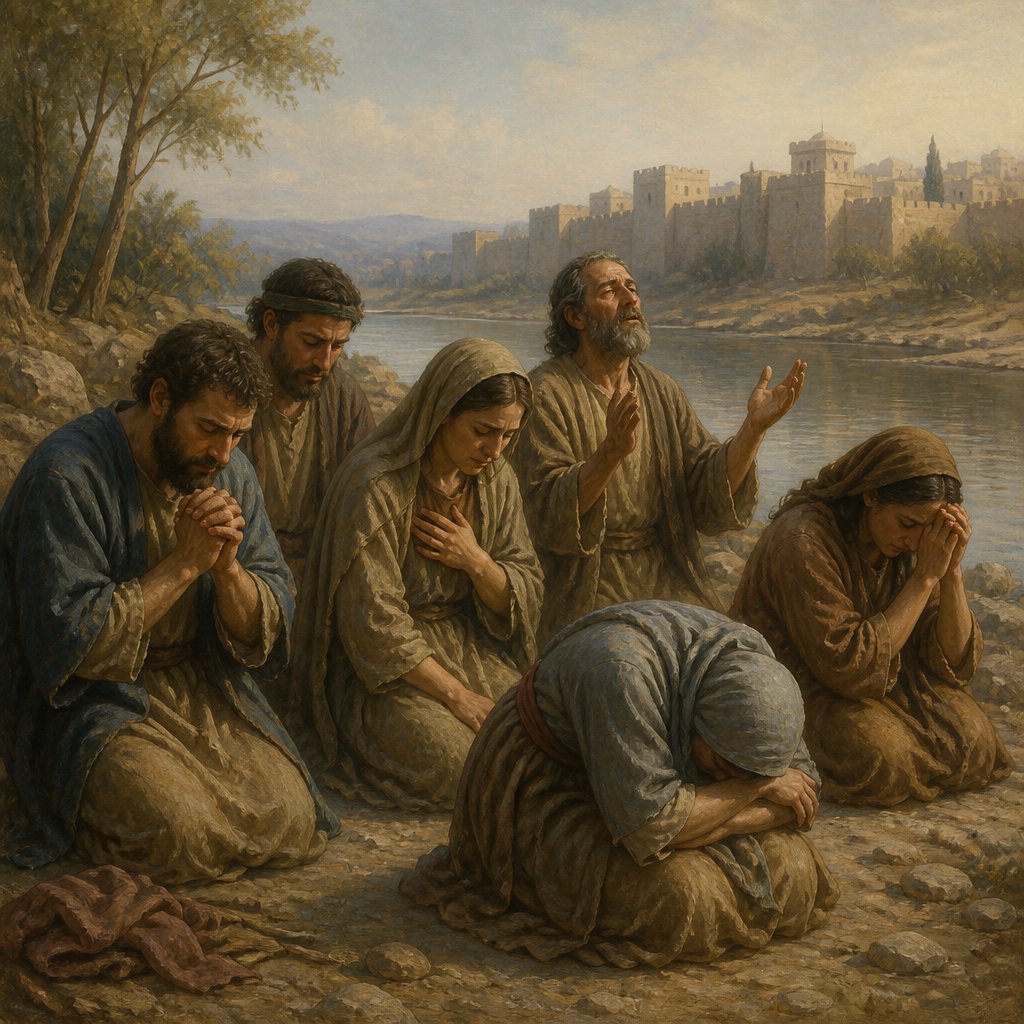
The verse 2 Chronicles 6:37 in the King James Version of the Bible reads: "Yet if they bethink themselves in the land whither they are carried captive, and turn and pray unto thee in the land of their captivity, saying, We have sinned, we have done amiss, and have dealt wickedly."
This passage is part of the prayer that King Solomon offered at the dedication of the temple in Jerusalem. The verse reflects the understanding that the people of Israel may find themselves in a state of exile or captivity due to their disobedience to God. However, it also expresses the hope and belief that if the people humble themselves, repent of their sins, and turn back to God, He will hear their prayers and restore them to their land.
The themes present in this verse are repentance, forgiveness, and restoration. It acknowledges the reality of sin and the consequences that follow, but it also emphasizes the opportunity for redemption and a renewed relationship with God. The verse conveys the idea that no matter how far the people of Israel may have strayed from God, there is always a path back to Him through sincere repentance and prayer.
The context of this verse is important for understanding its significance. The dedication of the temple was a momentous occasion in the history of Israel, as it symbolized the presence of God among His people. King Solomon's prayer was a central part of this event, and it served as a plea for God's continued presence and favor. In this specific verse, Solomon anticipates the possibility of the people falling into captivity as a consequence of their disobedience. He acknowledges that such a situation may arise, but he also affirms the faith that God will respond to the repentant prayers of the people.
The symbolism in this verse lies in the contrast between captivity and freedom, sin and righteousness, and separation from God and restoration to Him. The land of captivity represents a state of spiritual bondage and exile from God's presence, while the act of "bethinking themselves" and turning to God in prayer signifies a desire to be reconciled with Him and to be liberated from that captivity. The acknowledgement of sin and wrongdoing is a necessary step in this process, as it demonstrates a contrite heart and a willingness to change. By confessing their sins and seeking God's forgiveness, the people express their yearning for a renewed relationship with Him.
Overall, 2 Chronicles 6:37 encapsulates the timeless message of the Bible regarding the dynamics of sin, repentance, and divine forgiveness. It offers reassurance that no matter how far we may have strayed from God, there is always an opportunity to return to Him through genuine repentance and prayer. The verse also underscores the faithfulness of God in responding to the heartfelt pleas of His people and in restoring them to a place of blessing and abundance. Thus, it serves as a source of hope and encouragement for believers, assuring them that God is ready to forgive and restore those who humble themselves and seek Him earnestly.
Get our apps


Artwork for 2 Chronicles 6:37

2 Chronicles 6:37 - "Yet if they bethink themselves in the land whither they are carried captive, and turn and pray unto thee in the land of their captivity, saying, We have sinned, we have done amiss, and have dealt wickedly;"
"Yet if they bethink themselves in the land whither they are carried captive, and turn and pray unto thee in the land of their captivity, saying, We have sinned, we have done amiss, and have dealt wickedly;" - 2 Chronicles 6:37

2 Chronicles 20:37

1 Chronicles 6:37 - "The son of Tahath, the son of Assir, the son of Ebiasaph, the son of Korah,"

1 Chronicles 2:37 - "And Zabad begat Ephlal, and Ephlal begat Obed,"

"The son of Tahath, the son of Assir, the son of Ebiasaph, the son of Korah," - 1 Chronicles 6:37

"And Zabad begat Ephlal, and Ephlal begat Obed," - 1 Chronicles 2:37

2 Chronicles 6:13

2 Chronicles 6:2 - "But I have built an house of habitation for thee, and a place for thy dwelling for ever."

1 Chronicles 6:2 - "And the sons of Kohath; Amram, Izhar, and Hebron, and Uzziel."

1 Chronicles 9:37 - "And Gedor, and Ahio, and Zechariah, and Mikloth."

2 Chronicles 6:6 - "But I have chosen Jerusalem, that my name might be there; and have chosen David to be over my people Israel."

2 Chronicles 11:6 - "He built even Beth-lehem, and Etam, and Tekoa,"

John 6:37

1 Chronicles 11:37 - "Hezro the Carmelite, Naarai the son of Ezbai,"

2 Chronicles 6:35 - "Then hear thou from the heavens their prayer and their supplication, and maintain their cause."

1 Chronicles 1:37 - "The sons of Reuel; Nahath, Zerah, Shammah, and Mizzah."

1 Chronicles 7:37 - "Bezer, and Hod, and Shamma, and Shilshah, and Ithran, and Beera."

2 Chronicles 3:6 - "And he garnished the house with precious stones for beauty: and the gold was gold of Parvaim."

2 Chronicles 12:6 - "Whereupon the princes of Israel and the king humbled themselves; and they said, The LORD is righteous."

2 Chronicles 20:37 - "Then Eliezer the son of Dodavah of Mareshah prophesied against Jehoshaphat, saying, Because thou hast joined thyself with Ahaziah, the LORD hath broken thy works. And the ships were broken, that they were not able to go to Tarshish."

1 Chronicles 2:6 - "And the sons of Zerah; Zimri, and Ethan, and Heman, and Calcol, and Dara: five of them in all."

2 Chronicles 18:6 - "But Jehoshaphat said, Is there not here a prophet of the LORD besides, that we might enquire of him?"

2 Chronicles 6:1 - "Then said Solomon, The LORD hath said that he would dwell in the thick darkness."
2 Kings 15:6 - "And the rest of the acts of Azariah, and all that he did, are they not written in the book of the chronicles of the kings of Judah?"

2 Chronicles 6:7 - "Now it was in the heart of David my father to build an house for the name of the LORD God of Israel."

2 Chronicles 15:6 - "And nation was destroyed of nation, and city of city: for God did vex them with all adversity."

2 Chronicles 6:11 - "And in it have I put the ark, wherein is the covenant of the LORD, that he made with the children of Israel."

2 Chronicles 6:3 - "And the king turned his face, and blessed the whole congregation of Israel: and all the congregation of Israel stood."

2 Chronicles 6:42 - "O LORD God, turn not away the face of thine anointed: remember the mercies of David thy servant."