What does 2 Corinthians 3:7 mean?
“But if the ministration of death, written and engraven in stones, was glorious, so that the children of Israel could not stedfastly behold the face of Moses for the glory of his countenance; which glory was to be done away:” — 2 Corinthians 3:7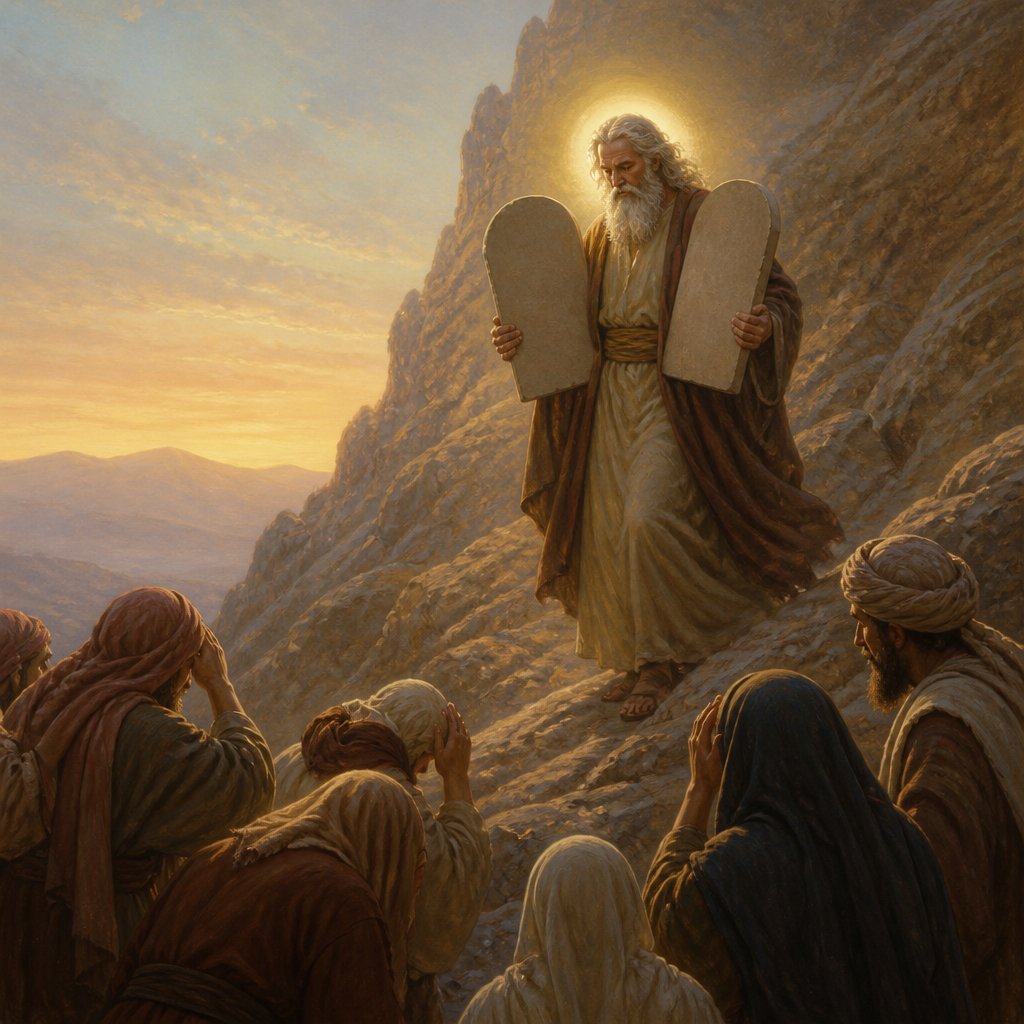
The verse 2 Corinthians 3:7 from the King James Version of the Bible states, "But if the ministration of death, written and engraven in stones, was glorious, so that the children of Israel could not stedfastly behold the face of Moses for the glory of his countenance; which glory was to be done away."
This verse is from the New Testament and is part of a larger passage in which the apostle Paul discusses the ministry of the new covenant in contrast to the ministry of the old covenant. In this particular verse, Paul is referring to the giving of the Ten Commandments to Moses on Mount Sinai and the glory that accompanied that event. He is drawing a comparison between the glory of the old covenant and the surpassing glory of the new covenant in Christ.
The themes of this verse include the contrast between the old and new covenants, the glory of God, and the superiority of the ministry of the Spirit. The context of this verse is important for understanding its meaning. In the preceding verses, Paul speaks of the glory that accompanied the giving of the Law to Moses, describing it as a "ministration of death" because the Law brought knowledge of sin and condemnation, without the power to save. This contrasts with the ministry of the Spirit under the new covenant, which brings life and righteousness (2 Corinthians 3:6).
The symbolism in this verse is rich and multilayered. The "ministration of death, written and engraven in stones" refers to the Ten Commandments, which were given on tablets of stone and were a central part of the old covenant. The glory of this event was so radiant that the Israelites could not bear to look at the face of Moses, whose countenance shone with the reflected glory of God. This glory, however, was temporary and was destined to fade away, symbolizing the temporary nature of the old covenant and the Law.
The contrast between the fleeting glory of the old covenant and the surpassing glory of the new covenant in Christ is a central theme of the passage. The ministry of the Spirit, Paul argues, brings righteousness and life, in contrast to the ministry of the Law, which brought condemnation and death. The ministry of the Spirit is described as "much more glorious" than the ministry of the old covenant (2 Corinthians 3:8), and it is a ministry of righteousness and life.
Overall, this verse is a powerful reminder of the surpassing glory and efficacy of the new covenant in Christ. It highlights the limitations of the old covenant and the Law, which could not save or bring life, and points to the surpassing glory of the ministry of the Spirit under the new covenant. This passage encourages believers to embrace the ministry of the Spirit and to live in the righteousness and life that it brings, rather than seeking justification through the Law. In this way, the verse serves as a reminder of the central message of the gospel and the transformative power of the Spirit in the lives of believers.
Get our apps


Artwork for 2 Corinthians 3:7

2 Corinthians 3:7 - "But if the ministration of death, written and engraven in stones, was glorious, so that the children of Israel could not stedfastly behold the face of Moses for the glory of his countenance; which glory was to be done away:"
"But if the ministration of death, written and engraven in stones, was glorious, so that the children of Israel could not stedfastly behold the face of Moses for the glory of his countenance; which glory was to be done away:" - 2 Corinthians 3:7

2 Corinthians 7:3 - "I speak not this to condemn you: for I have said before, that ye are in our hearts to die and live with you."

2 Corinthians 3:6

2 Corinthians 3:18

2 Corinthians 3:6

2 corinthians 10:3-5

2 corinthians 10:3-5

2 corinthians 10:3-5

2 corinthians 10:3-5

2 corinthians 10:3-5

2 corinthians 10:3-5

2 corinthians 10:3-5

2 corinthians 10:3-5

2 corinthians 10:3-5

2 corinthians 10:3-5

2 corinthians 10:3-5

2 corinthians 10:3-5

2 Corinthians 7:10

2 Corinthians 12:7

2 Corinthians 12:7

2 Corinthians 12:7

2 Corinthians 12:7

2 Corinthians 5:7 - "(For we walk by faith, not by sight:)"

2 corinthians 10:3-5

1 Corinthians 3:7 - "So then neither is he that planteth any thing, neither he that watereth; but God that giveth the increase."

2 Corinthians 1:3-4

1 Corinthians 7:3 - "Let the husband render unto the wife due benevolence: and likewise also the wife unto the husband."

2 Corinthians 6:3 - "Giving no offence in any thing, that the ministry be not blamed:"

2 Corinthians 3:2 - "Ye are our epistle written in our hearts, known and read of all men:"