What does 2 Kings 16:10 mean?
“And king Ahaz went to Damascus to meet Tiglath-pileser king of Assyria, and saw an altar that was at Damascus: and king Ahaz sent to Urijah the priest the fashion of the altar, and the pattern of it, according to all the workmanship thereof.” — 2 Kings 16:10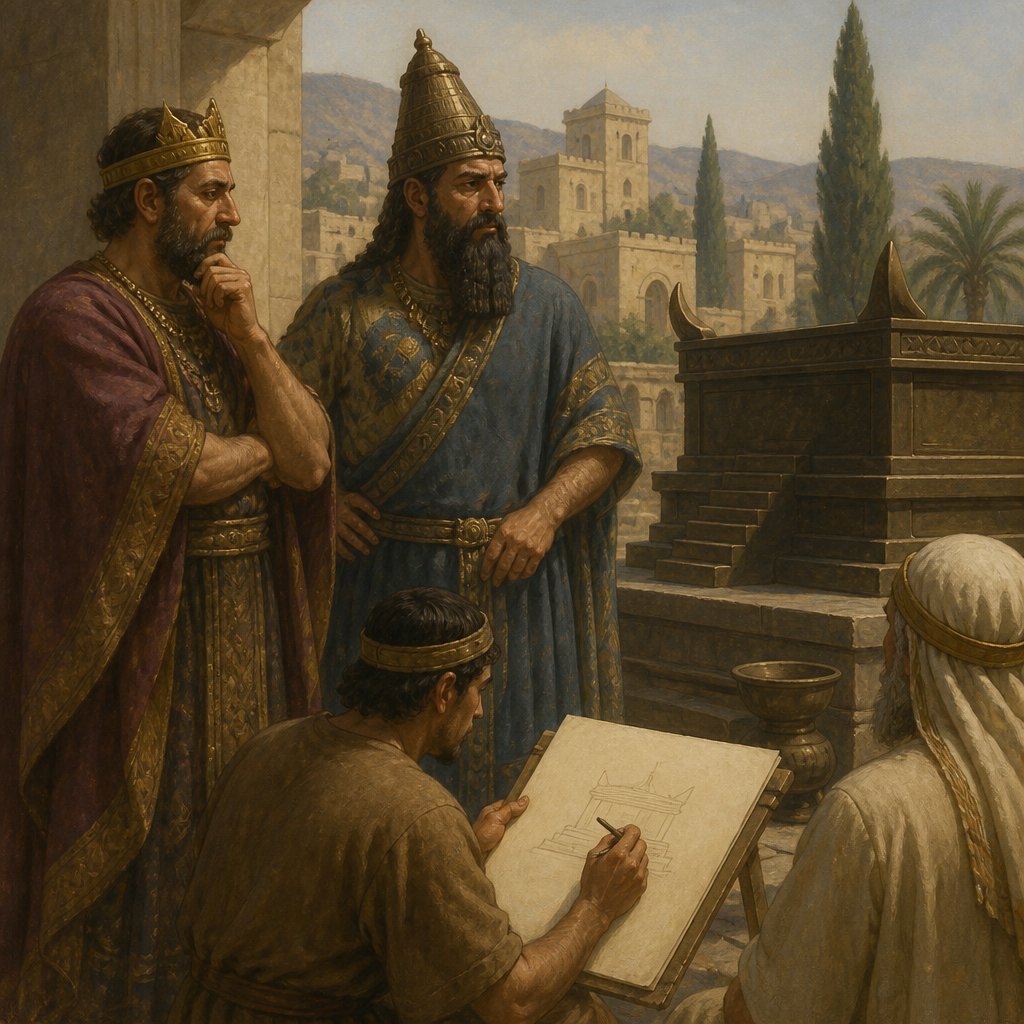
The verse 2 Kings 16:10 in the King James Version of the Bible reads, "And king Ahaz went to Damascus to meet Tiglathpileser king of Assyria, and saw an altar that was at Damascus: and king Ahaz sent to Urijah the priest the fashion of the altar, and the pattern of it, according to all the workmanship thereof."
This verse is part of the larger narrative found in the book of 2 Kings, which deals with the history of the kings of Israel and Judah. In this specific passage, King Ahaz of Judah is seeking the assistance of Tiglathpileser, the king of Assyria, after facing military threats from the kingdoms of Aram and Israel. In his visit to Damascus, Ahaz sees an altar and becomes interested in its design. He sends the details of the altar to Urijah the priest, likely for the purpose of creating a similar altar in the temple of Jerusalem.
The historical context of this passage is important in understanding its significance. During the time of King Ahaz, the nation of Judah was facing various external threats. Instead of relying on God for protection and guidance, Ahaz sought alliances with foreign nations, including the powerful Assyrian empire. This action, along with Ahaz's other acts of unfaithfulness, is heavily condemned in the Bible. The passage in 2 Kings 16:10 is a clear example of Ahaz's reliance on human power and worship practices that were not in line with God's commands.
One of the key themes in this verse is the concept of idolatry and the danger of seeking help from sources other than God. The altar that King Ahaz encountered in Damascus represents a form of religious syncretism, as it mixed elements of foreign worship practices with the true worship of Yahweh. By seeking to replicate the altar in the temple of Jerusalem, Ahaz was effectively endorsing the worship of foreign gods and straying from the exclusive devotion to Yahweh as commanded in the Mosaic Law.
The verse also highlights the role of leaders in influencing the religious practices of a nation. As the king of Judah, Ahaz had a significant impact on the spiritual direction of the people under his rule. His willingness to adopt foreign religious practices set a dangerous precedent and led the nation away from the worship of the true God.
Additionally, the passage serves as a cautionary tale about the consequences of turning away from God. Throughout the Bible, the Israelites are repeatedly warned against aligning themselves with foreign powers and adopting their religious customs. The story of King Ahaz stands as a sobering reminder of the spiritual and moral decline that can result from such actions.
In terms of symbolism, the altar in Damascus represents the lure of false gods and the temptation to compromise one's faith. King Ahaz's interest in replicating the altar symbolizes the seductive nature of idolatry and the ease with which people can be drawn away from true worship. The message is a powerful illustration of the spiritual warfare that continues to impact believers today, as they are constantly faced with the choice between faithfulness to God and the allure of worldly practices.
In conclusion, 2 Kings 16:10 offers a sobering account of King Ahaz's departure from the worship of Yahweh and his readiness to embrace foreign religious influences. The verse serves as a cautionary example of the dangers of idolatry, the influence of leadership on spiritual matters, and the consequences of turning away from God. As believers, we are called to remain steadfast in our devotion to God and resist the temptations of the world, remembering the lessons found in passages like this one.
Get our apps


Artwork for 2 Kings 16:10

2 Kings 16:10 - "¶ And king Ahaz went to Damascus to meet Tiglath-pileser king of Assyria, and saw an altar that was at Damascus: and king Ahaz sent to Urijah the priest the fashion of the altar, and the pattern of it, according to all the workmanship thereof."
"¶ And king Ahaz went to Damascus to meet Tiglath-pileser king of Assyria, and saw an altar that was at Damascus: and king Ahaz sent to Urijah the priest the fashion of the altar, and the pattern of it, according to all the workmanship thereof." - 2 Kings 16:10

2 Kings 10:16 - "And he said, Come with me, and see my zeal for the LORD. So they made him ride in his chariot."

Joshua 10:16 - "But these five kings fled, and hid themselves in a cave at Makkedah."

2 Kings 16:16 - "Thus did Urijah the priest, according to all that king Ahaz commanded."

2 Kings 3:16-19

2 Kings 16:19 - "¶ Now the rest of the acts of Ahaz which he did, are they not written in the book of the chronicles of the kings of Judah?"

1 Kings 10:16 - "¶ And king Solomon made two hundred targets of beaten gold: six hundred shekels of gold went to one target."

1 Kings 16:10 - "And Zimri went in and smote him, and killed him, in the twenty and seventh year of Asa king of Judah, and reigned in his stead."

2 Kings 14:16 - "And Jehoash slept with his fathers, and was buried in Samaria with the kings of Israel; and Jeroboam his son reigned in his stead."

2 Kings 3:10 - "And the king of Israel said, Alas! that the LORD hath called these three kings together, to deliver them into the hand of Moab!"

"And he said, Come with me, and see my zeal for the LORD. So they made him ride in his chariot." - 2 Kings 10:16

"But these five kings fled, and hid themselves in a cave at Makkedah." - Joshua 10:16

2 Kings 6:16 - "And he answered, Fear not: for they that be with us are more than they that be with them."

2 Kings 20:16 - "And Isaiah said unto Hezekiah, Hear the word of the LORD."

2 Kings 12:16 - "The trespass money and sin money was not brought into the house of the LORD: it was the priests'."

2 Chronicles 28:16 - "¶ At that time did king Ahaz send unto the kings of Assyria to help him."

2 Kings 21:10 - "¶ And the LORD spake by his servants the prophets, saying,"

2 Kings 10:28 - "Thus Jehu destroyed Baal out of Israel."

2 Kings 10:4 - "But they were exceedingly afraid, and said, Behold, two kings stood not before him: how then shall we stand?"

2 Kings 10:34 - "Now the rest of the acts of Jehu, and all that he did, and all his might, are they not written in the book of the chronicles of the kings of Israel?"

2 Kings 10:20 - "And Jehu said, Proclaim a solemn assembly for Baal. And they proclaimed it."

2 Kings 3:16 - "And he said, Thus saith the LORD, Make this valley full of ditches."

2 Kings 10:16-17 - "And he said, Come with me, and see my zeal for the Lord. So they made him ride in his chariot. And when he came to Samaria, he killed all who remained to Ahab in Samaria, till he had wiped them out, according to the word of the Lord that he spoke to Elijah."

2 Kings 16:1 - "In the seventeenth year of Pekah the son of Remaliah Ahaz the son of Jotham king of Judah began to reign."

2 Kings 16:8 - "And Ahaz took the silver and gold that was found in the house of the LORD, and in the treasures of the king's house, and sent it for a present to the king of Assyria."

"Thus did Urijah the priest, according to all that king Ahaz commanded." - 2 Kings 16:16

2 Kings 16:12 - "And when the king was come from Damascus, the king saw the altar: and the king approached to the altar, and offered thereon."

1 Kings 2:10 - "So David slept with his fathers, and was buried in the city of David."

2 Kings 10:26 - "And they brought forth the images out of the house of Baal, and burned them."