What does 2 Kings 17:6 mean?
“In the ninth year of Hoshea the king of Assyria took Samaria, and carried Israel away into Assyria, and placed them in Halah and in Habor by the river of Gozan, and in the cities of the Medes.” — 2 Kings 17:6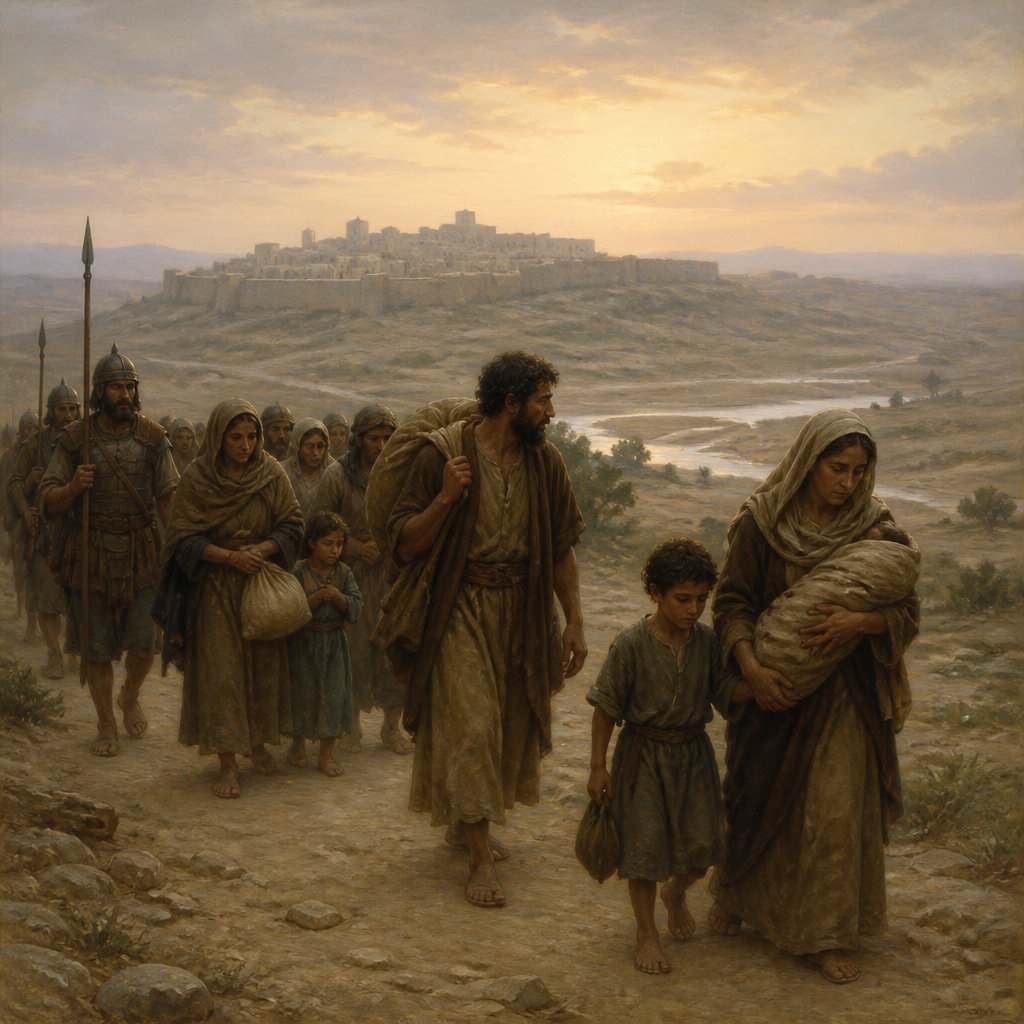
2 Kings 17:6 (KJV) states, "In the ninth year of Hoshea, the king of Assyria took Samaria, and carried Israel away into Assyria, and placed them in Halah and in Habor by the river of Gozan, and in the cities of the Medes."
This verse is part of a larger narrative in the book of 2 Kings that describes the fall of the northern kingdom of Israel and the deportation of its people by the Assyrians. The historical context of this verse is crucial for understanding its significance. The Assyrian conquest of Samaria marked the end of the northern kingdom of Israel as an independent political entity. The events described in this verse took place around 722 B.C. when the Assyrian king Shalmaneser V besieged Samaria and his successor Sargon II completed the conquest by deporting the Israelites to various regions of the Assyrian empire.
The themes of judgement, disobedience, and exile are prominent in this verse. Throughout the books of 1 and 2 Kings, the recurring theme of the consequences of disobedience to God becomes evident. The people of Israel had turned away from God to worship false idols and engage in sinful practices. This led to the breakdown of their society and their eventual defeat and exile by the Assyrians. The deportation of the Israelites to foreign lands served as a form of divine punishment for their disobedience and unfaithfulness.
Symbolism also plays a significant role in this verse. Samaria, as the capital of the northern kingdom of Israel, symbolized the heart of Israelite power, culture, and identity. The fall of Samaria and the deportation of its people symbolized the destruction and scattering of the nation of Israel. This event represented the shattered hopes and dreams of the Israelites, as well as the loss of their homeland and heritage.
The Assyrian conquest and exile of Israel also has theological significance in the biblical narrative. It serves as a warning to future generations about the consequences of abandoning God and turning to idolatry. The destruction of Samaria and the exile of Israel became a cautionary tale for the people of Judah and subsequent readers of the Bible. It highlights the importance of remaining faithful to God and the perils of straying from His commandments.
Furthermore, the deportation of the Israelites into Assyria serves as a precursor to the Babylonian exile, which affected the kingdom of Judah. The events described in 2 Kings 17:6 set the stage for the later exile of Judah and the destruction of Jerusalem, demonstrating the continuity of God's judgment against His people for their disobedience.
In conclusion, 2 Kings 17:6 is a pivotal verse in the narrative of the fall of the northern kingdom of Israel. It encapsulates themes of judgment, disobedience, and exile, while also serving as a cautionary tale for future generations. The verse's historical context and symbolism provide a rich and meaningful interpretation that resonates with readers throughout the ages. It reminds believers of the importance of remaining faithful to God and the consequences of turning away from Him.
Get our apps


Artwork for 2 Kings 17:6

2 Kings 17:6 - "¶ In the ninth year of Hoshea the king of Assyria took Samaria, and carried Israel away into Assyria, and placed them in Halah and in Habor by the river of Gozan, and in the cities of the Medes."
"¶ In the ninth year of Hoshea the king of Assyria took Samaria, and carried Israel away into Assyria, and placed them in Halah and in Habor by the river of Gozan, and in the cities of the Medes." - 2 Kings 17:6

2 Kings 6:17 – "And Elisha prayed, 'Open his eyes, Lord, so that he may see.' Then the Lord opened the servant’s eyes."

"And Elisha prayed, and said, LORD, I pray thee, open his eyes, that he may see. And the LORD opened the eyes of the young man; and he saw: and, behold, the mountain was full of horses and chariots of fire round about Elisha." - 2 Kings 6:17

1 Kings 6:17 - "And the house, that is, the temple before it, was forty cubits long."

2 Kings 17:2 - "And he did that which was evil in the sight of the LORD, but not as the kings of Israel that were before him."

2 Kings 19:17 - "Of a truth, LORD, the kings of Assyria have destroyed the nations and their lands,"

2 Kings 6:17 - "And Elisha prayed, and said, LORD, I pray thee, open his eyes, that he may see. And the LORD opened the eyes of the young man; and he saw: and, behold, the mountain was full of horses and chariots of fire round about Elisha."

1 Kings 17:6 - "And the ravens brought him bread and flesh in the morning, and bread and flesh in the evening; and he drank of the brook."

2 kings 6:24

1 Kings 17:2 - "And the word of the LORD came unto him, saying,"

Genesis 17:6 - "And I will make thee exceeding fruitful, and I will make nations of thee, and kings shall come out of thee."
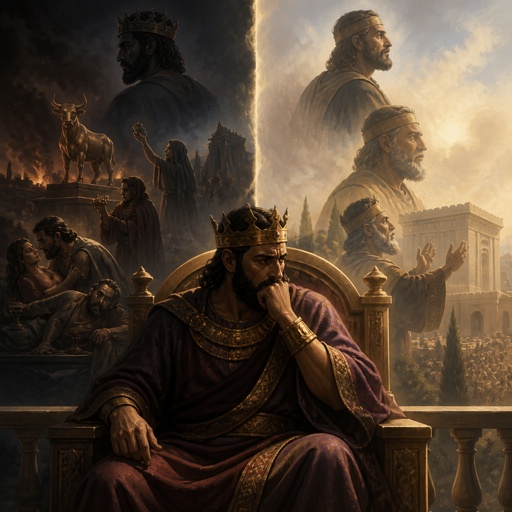
2 Kings 17:2 - "And he did that which was evil in the sight of the LORD, but not as the kings of Israel that were before him."

2 Kings 17:40 - "Howbeit they did not hearken, but they did after their former manner."
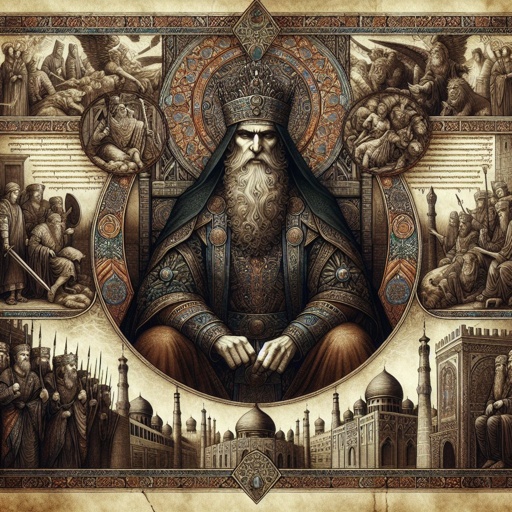
2 Kings 15:6 - "And the rest of the acts of Azariah, and all that he did, are they not written in the book of the chronicles of the kings of Judah?"

"And the house, that is, the temple before it, was forty cubits long." - 1 Kings 6:17

2 Kings 17:8 - "And walked in the statutes of the heathen, whom the LORD cast out from before the children of Israel, and of the kings of Israel, which they had made."

2 Kings 21:17 - "¶ Now the rest of the acts of Manasseh, and all that he did, and his sin that he sinned, are they not written in the book of the chronicles of the kings of Judah?"

2 Kings 17:17 - "And they caused their sons and their daughters to pass through the fire, and used divination and enchantments, and sold themselves to do evil in the sight of the LORD, to provoke him to anger."

"And he did that which was evil in the sight of the LORD, but not as the kings of Israel that were before him." - 2 Kings 17:2

"Of a truth, LORD, the kings of Assyria have destroyed the nations and their lands," - 2 Kings 19:17

2 Kings 17:19 - "Also Judah kept not the commandments of the LORD their God, but walked in the statutes of Israel which they made."

2 Kings 6:16 - "And he answered, Fear not: for they that be with us are more than they that be with them."

2 Kings 17:5 - "¶ Then the king of Assyria came up throughout all the land, and went up to Samaria, and besieged it three years."

2 Kings 24:17 - "¶ And the king of Babylon made Mattaniah his father's brother king in his stead, and changed his name to Zedekiah."

2 Kings 17:22 - "For the children of Israel walked in all the sins of Jeroboam which he did; they departed not from them;"

2 Kings 17:12 - "For they served idols, whereof the LORD had said unto them, Ye shall not do this thing."

2 Kings 17:14 - "Notwithstanding they would not hear, but hardened their necks, like to the neck of their fathers, that did not believe in the LORD their God."

2 Kings 11:17 - "¶ And Jehoiada made a covenant between the LORD and the king and the people, that they should be the LORD'S people; between the king also and the people."

2 Kings 17:3 - "Against him came up Shalmaneser king of Assyria; and Hoshea became his servant, and gave him presents."