What does 2 Kings 19:4 mean?
“It may be the LORD thy God will hear all the words of Rab-shakeh, whom the king of Assyria his master hath sent to reproach the living God; and will reprove the words which the LORD thy God hath heard: wherefore lift up thy prayer for the remnant that are left.” — 2 Kings 19:4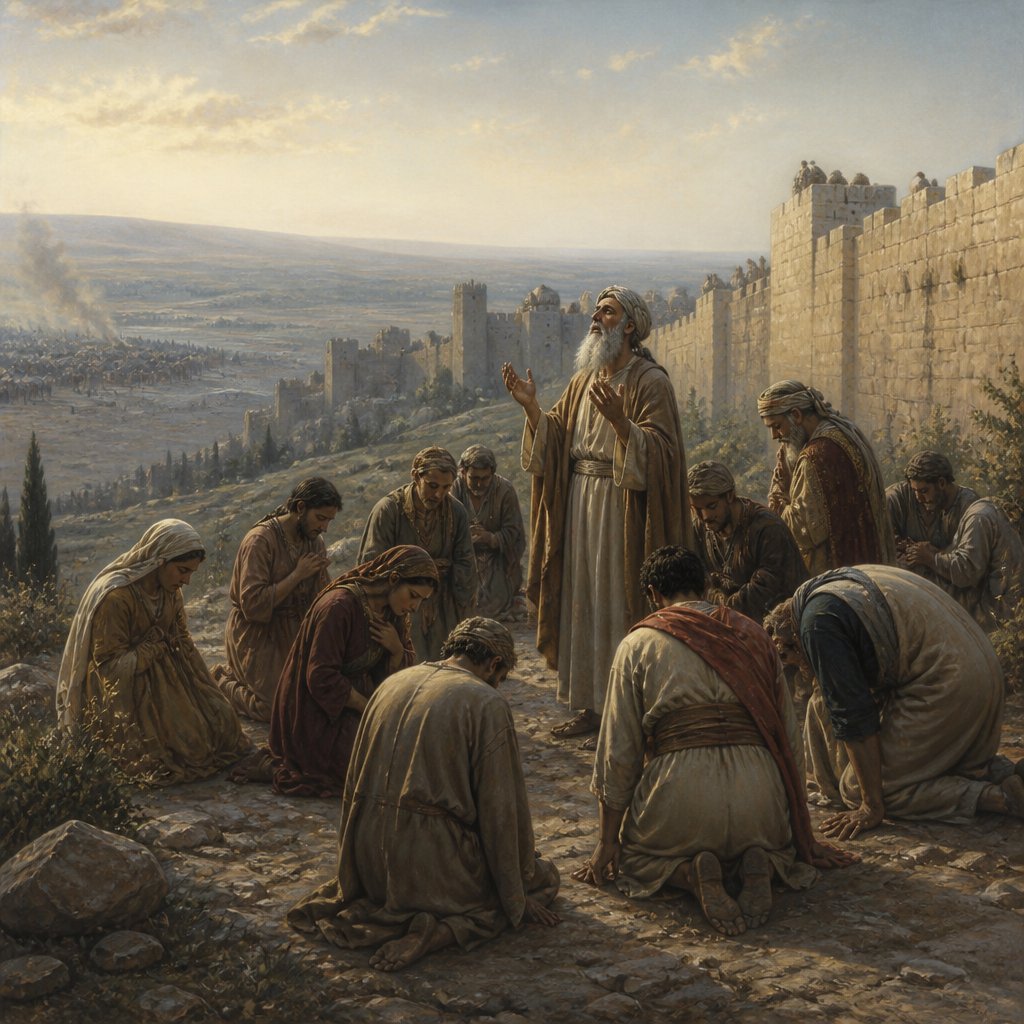
The verse 2 Kings 19:4 in the King James Version of the Bible states, "It may be the LORD thy God will hear all the words of Rabshakeh, whom the king of Assyria his master hath sent to reproach the living God; and will reprove the words which the LORD thy God hath heard: wherefore lift up thy prayer for the remnant that are left." This verse is part of the narrative in the book of 2 Kings, which focuses on the history of the kings of Israel and Judah. In order to fully understand the meaning and context of this verse, it is important to examine the surrounding verses, historical background, and the symbolism present in the text.
At this point in the narrative, Jerusalem was under siege by the Assyrian king, Sennacherib. The Assyrian commander, Rabshakeh, had been sent by Sennacherib to taunt and threaten the people of Judah, attempting to demoralize them in order to facilitate an easier conquering of the city. As the situation becomes more dire, Hezekiah, the king of Judah, sends messengers to the prophet Isaiah to seek guidance and to inquire of the Lord.
In response to Hezekiah's request for help, Isaiah sends a message of reassurance and promise from the Lord in the next verses. However, verse 4 specifically highlights the plea for prayer for the remnant that is left. This shows the deep concern for the well-being of the people and the recognition of the power of prayer and intercession. The verse also emphasizes the importance of standing up for the living God and the faith in His ability to intervene, despite the threatening circumstances.
One of the key themes present in this verse is the importance of faith and reliance on God in the face of adversity. Throughout the Bible, there are numerous accounts of individuals and nations facing overwhelming odds, and yet, through faith and prayer, they are able to overcome their challenges. In this particular situation, Hezekiah's act of seeking the Lord's intervention through prayer reflects his trust in God's ability to deliver them from their enemies. The verse serves as a reminder that in times of trouble, turning to God in prayer is a powerful and effective course of action.
Another prominent theme in this verse is the concept of the remnant. The remnant refers to the small portion of a group that remains after a larger part has been destroyed or lost. In this case, Hezekiah is urging the people to pray for the remnant that is left in Jerusalem, acknowledging the dire situation they are in and the need for divine intervention. This concept of the remnant carries with it a message of hope, as it signifies the preservation of a faithful few amidst overwhelming opposition.
Symbolism plays a significant role in this verse as well. The figure of Rabshakeh, the Assyrian commander, represents the forces of evil and opposition that seek to undermine the faith of the people of Judah. His words and threats are intended to instill fear and doubt. On the other hand, the living God, whom Hezekiah urges the people to lift up their prayers to, represents divine protection and deliverance. This dichotomy between the forces of evil and the power of God is a recurring theme throughout the Bible, and it is present in this verse as a reminder of the ultimate triumph of faith over adversity.
In conclusion, 2 Kings 19:4 from the King James Version of the Bible encapsulates the themes of faith, prayer, and divine intervention in the face of overwhelming opposition. The verse serves as a reminder of the power of God to deliver and protect His people, as well as the importance of maintaining faith and seeking His intervention through prayer. The context of the verse within the narrative of the siege of Jerusalem by the Assyrians further emphasizes the urgency of the situation and the need for divine intervention. Overall, this verse stands as a testament to the unwavering faith of Hezekiah and the people of Judah in the face of overwhelming odds, and it serves as an enduring message of hope and trust in God's providence.
Get our apps


Artwork for 2 Kings 19:4

2 Kings 19:4 - "It may be the LORD thy God will hear all the words of Rabshakeh, whom the king of Assyria his master hath sent to reproach the living God; and will reprove the words which the LORD thy God hath heard: wherefore lift up thy prayer for the remnant that are left."
"It may be the LORD thy God will hear all the words of Rabshakeh, whom the king of Assyria his master hath sent to reproach the living God; and will reprove the words which the LORD thy God hath heard: wherefore lift up thy prayer for the remnant that are left." - 2 Kings 19:4

2 Kings 4:19 - "And he said unto his father, My head, my head. And he said to a lad, Carry him to his mother."

2 Kings 19:2

2 Kings 19:2

2 Kings 19:2

2 Kings 19:17 - "Of a truth, LORD, the kings of Assyria have destroyed the nations and their lands,"

2 Kings 12:19 - "¶ And the rest of the acts of Joash, and all that he did, are they not written in the book of the chronicles of the kings of Judah?"

2 Kings 3:16-19

2 Kings 16:19 - "¶ Now the rest of the acts of Ahaz which he did, are they not written in the book of the chronicles of the kings of Judah?"

2 Kings 19:5 - "So the servants of king Hezekiah came to Isaiah."

2 Kings 4:4-5

2 Kings 19:36 - "So Sennacherib king of Assyria departed, and went and returned, and dwelt at Nineveh."

2 Kings 19:13 - "Where is the king of Hamath, and the king of Arpad, and the king of the city of Sepharvaim, of Hena, and Ivah?"

2 Kings 19:11 - "Behold, thou hast heard what the kings of Assyria have done to all lands, by destroying them utterly: and shalt thou be delivered?"
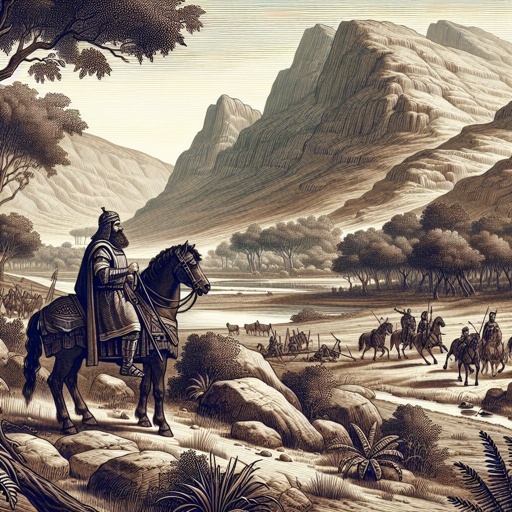
1 Kings 4:19 - "Geber the son of Uri was in the country of Gilead, in the country of Sihon king of the Amorites, and of Og king of Bashan; and he was the only officer which was in the land."

2 Timothy 4:19 - "Salute Prisca and Aquila, and the household of Onesiphorus."

2 Kings 19:2 - "And he sent Eliakim, which was over the household, and Shebna the scribe, and the elders of the priests, covered with sackcloth, to Isaiah the prophet the son of Amoz."

2 Kings 19:34 - "For I will defend this city, to save it, for mine own sake, and for my servant David's sake."

"Of a truth, LORD, the kings of Assyria have destroyed the nations and their lands," - 2 Kings 19:17

2 Kings 24:19 - "And he did that which was evil in the sight of the LORD, according to all that Jehoiakim had done."

2 Kings 17:19 - "Also Judah kept not the commandments of the LORD their God, but walked in the statutes of Israel which they made."

2 Kings 10:4 - "But they were exceedingly afraid, and said, Behold, two kings stood not before him: how then shall we stand?"
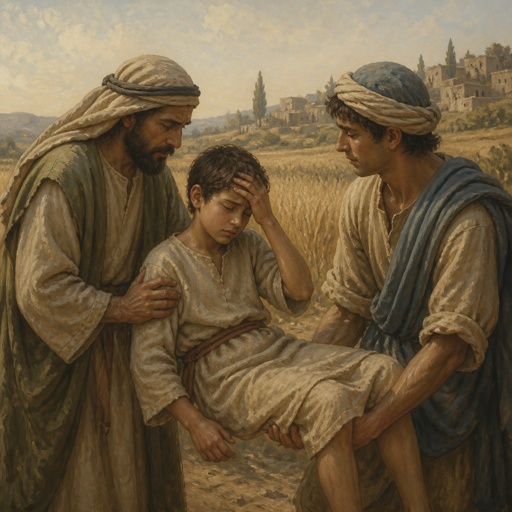
"And he said unto his father, My head, my head. And he said to a lad, Carry him to his mother." - 2 Kings 4:19

2 Kings 19:33 - "By the way that he came, by the same shall he return, and shall not come into this city, saith the LORD."

"So the servants of king Hezekiah came to Isaiah." - 2 Kings 19:5

2 Kings 11:19 - "And he took the rulers over hundreds, and the captains, and the guard, and all the people of the land; and they brought down the king from the house of the LORD, and came by the way of the gate of the guard to the king's house. And he sat on the throne of the kings."

2 Kings 19:27 - "But I know thy abode, and thy going out, and thy coming in, and thy rage against me."

2 Kings 2:19 - "¶ And the men of the city said unto Elisha, Behold, I pray thee, the situation of this city is pleasant, as my lord seeth: but the water is naught, and the ground barren."

2 Kings 5:19 - "And he said unto him, Go in peace. So he departed from him a little way."