What does 2 Kings 24:16 mean?
“And all the men of might, even seven thousand, and craftsmen and smiths a thousand, all that were strong and apt for war, even them the king of Babylon brought captive to Babylon.” — 2 Kings 24:16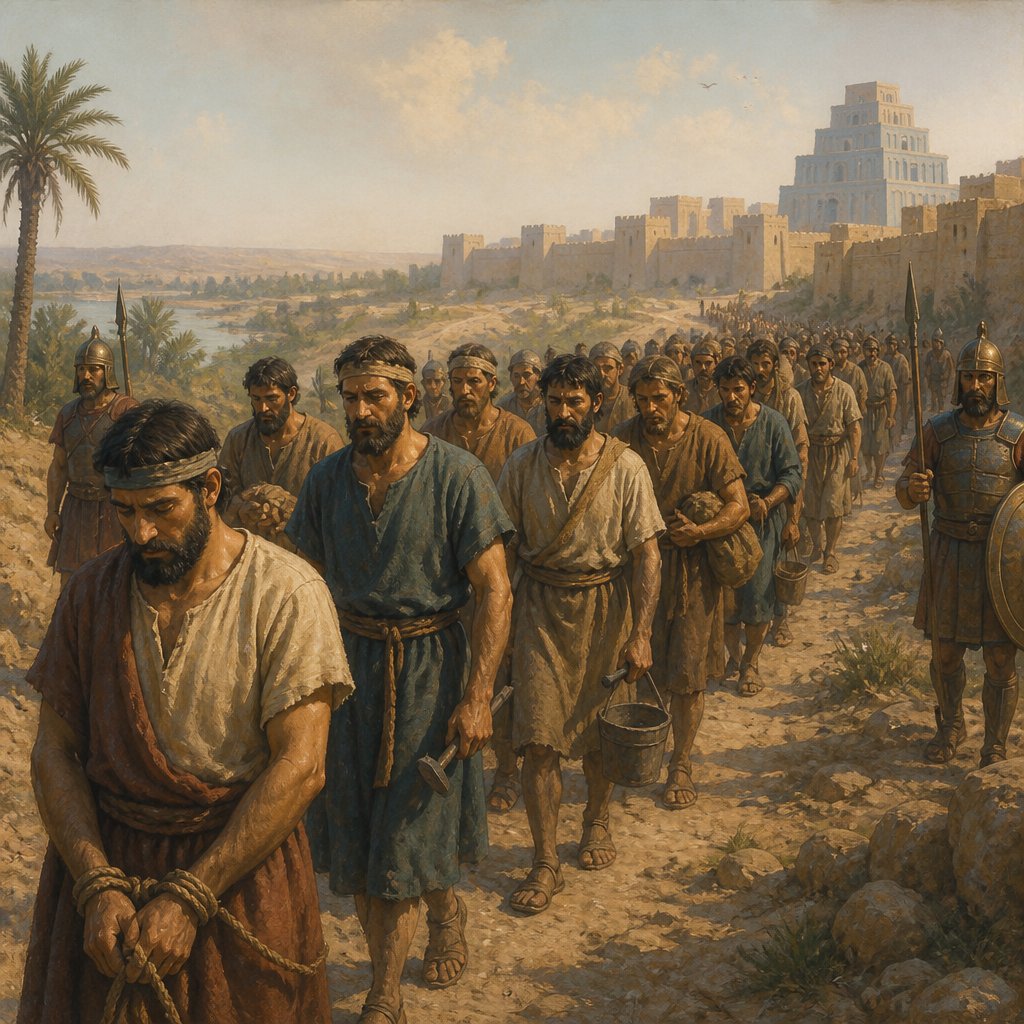
The Bible verse 2 Kings 24:16 from the King James Version (KJV) states, "And all the men of might, even seven thousand, and craftsmen and smiths a thousand, all that were strong and apt for war, even them the king of Babylon brought captive to Babylon." This verse is found in the context of the Babylonian conquest of Judah and the subsequent exile of its people. It marks a significant turning point in the history of the Israelites and carries with it important themes and symbolism that are relevant to the larger biblical narrative.
The historical context of this verse is crucial in understanding its significance. The Babylonian conquest of Judah, led by King Nebuchadnezzar, was a devastating event in the history of Israel. The kingdom of Judah, which had already been weakened by internal strife and external threats, was finally brought to its knees as the Babylonian forces besieged Jerusalem and carried out a series of deportations. This verse specifically details the capture of "all the men of might, even seven thousand, and craftsmen and smiths a thousand" by the Babylonians. This act effectively stripped Judah of its able-bodied men and skilled workers, further weakening the nation and ensuring its subjugation under Babylonian rule.
One of the central themes in this verse is the idea of conquest and captivity. The Babylonian conquest was not just a military victory, but a spiritual and cultural defeat for the people of Judah. The capture and deportation of the men of might, craftsmen, and smiths represented the loss of a nation's strength and ability to sustain itself. It also signified the disruption of its social and economic infrastructure. This theme of conquest and captivity is a recurring motif throughout the Bible, reflecting the harsh realities of war and the consequences of disobedience to God's commands.
Furthermore, this verse also touches upon the theme of exile and separation from the Promised Land. The Babylonian exile was a traumatic experience for the Israelites, as it meant being forcibly removed from their homeland and taken to a foreign land. This separation from the land of Judah carried deep spiritual and emotional significance, as the Promised Land was not just a geographical location, but a symbol of God's presence and covenant with his people. The exile brought about a crisis of identity and faith, as the Israelites struggled to make sense of their displacement and the apparent abandonment by their God.
In addition to its thematic significance, this verse also contains symbolic elements that resonate throughout the biblical narrative. The number seven, which is mentioned in reference to the men of might, holds great symbolic value in the Bible, representing completeness and perfection. The inclusion of this specific number could be interpreted as symbolizing the thoroughness of the Babylonian conquest and the completeness of Judah's defeat. Similarly, the mention of craftsmen and smiths highlights the importance of skilled labor and craftsmanship in the life of the nation, underscoring the extent of the loss suffered by Judah.
Overall, 2 Kings 24:16 from the King James Version (KJV) is a poignant and evocative verse that captures the moment of Judah's defeat and exile at the hands of the Babylonians. It addresses important themes such as conquest, captivity, exile, and separation from the Promised Land, while also containing symbolic elements that enrich its meaning. This verse serves as a powerful reminder of the consequences of disobedience and the enduring faithfulness of God, even in the midst of great suffering and loss.
Get our apps


Artwork for 2 Kings 24:16

2 Kings 24:16 - "And all the men of might, even seven thousand, and craftsmen and smiths a thousand, all that were strong and apt for war, even them the king of Babylon brought captive to Babylon."
"And all the men of might, even seven thousand, and craftsmen and smiths a thousand, all that were strong and apt for war, even them the king of Babylon brought captive to Babylon." - 2 Kings 24:16

2 Chronicles 24:16 - "And they buried him in the city of David among the kings, because he had done good in Israel, both toward God, and toward his house."

2 kings 6:24

2 Kings 16:16 - "Thus did Urijah the priest, according to all that king Ahaz commanded."

2 Kings 24:5 - "¶ Now the rest of the acts of Jehoiakim, and all that he did, are they not written in the book of the chronicles of the kings of Judah?"

2 Kings 3:16-19

2 Kings 24:10 - "¶ At that time the servants of Nebuchadnezzar king of Babylon came up against Jerusalem, and the city was besieged."

2 Kings 24:11 - "And Nebuchadnezzar king of Babylon came against the city, and his servants did besiege it."

2 Kings 16:19 - "¶ Now the rest of the acts of Ahaz which he did, are they not written in the book of the chronicles of the kings of Judah?"

2 Kings 24:6 - "So Jehoiakim slept with his fathers: and Jehoiachin his son reigned in his stead."

2 Kings 24:1 - "In his days Nebuchadnezzar king of Babylon came up, and Jehoiakim became his servant three years: then he turned and rebelled against him."

2 Kings 14:16 - "And Jehoash slept with his fathers, and was buried in Samaria with the kings of Israel; and Jeroboam his son reigned in his stead."

2 Kings 13:24 - "So Hazael king of Syria died; and Ben-hadad his son reigned in his stead."

2 Kings 24:9 - "And he did that which was evil in the sight of the LORD, according to all that his father had done."

2 Kings 6:16 - "And he answered, Fear not: for they that be with us are more than they that be with them."

2 Kings 20:16 - "And Isaiah said unto Hezekiah, Hear the word of the LORD."

2 Kings 24:19 - "And he did that which was evil in the sight of the LORD, according to all that Jehoiakim had done."

2 Kings 12:16 - "The trespass money and sin money was not brought into the house of the LORD: it was the priests'."

2 Chronicles 28:16 - "¶ At that time did king Ahaz send unto the kings of Assyria to help him."

2 Kings 24:17 - "¶ And the king of Babylon made Mattaniah his father's brother king in his stead, and changed his name to Zedekiah."

1 Kings 16:24 - "And he bought the hill Samaria of Shemer for two talents of silver, and built on the hill, and called the name of the city which he built, after the name of Shemer, owner of the hill, Samaria."
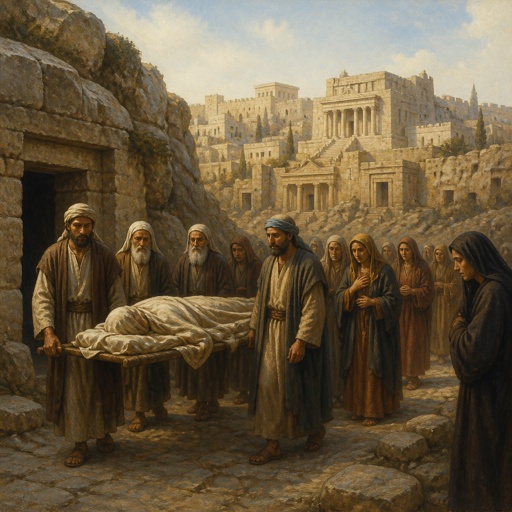
"And they buried him in the city of David among the kings, because he had done good in Israel, both toward God, and toward his house." - 2 Chronicles 24:16

2 Kings 3:16 - "And he said, Thus saith the LORD, Make this valley full of ditches."

2 Kings 6:24 - "¶ And it came to pass after this, that Ben-hadad king of Syria gathered all his host, and went up, and besieged Samaria."

2 Kings 16:1 - "In the seventeenth year of Pekah the son of Remaliah Ahaz the son of Jotham king of Judah began to reign."

2 Kings 16:8 - "And Ahaz took the silver and gold that was found in the house of the LORD, and in the treasures of the king's house, and sent it for a present to the king of Assyria."

"Thus did Urijah the priest, according to all that king Ahaz commanded." - 2 Kings 16:16

2 Kings 16:12 - "And when the king was come from Damascus, the king saw the altar: and the king approached to the altar, and offered thereon."

2 Kings 24:4 - "And also for the innocent blood that he shed: for he filled Jerusalem with innocent blood; which the LORD would not pardon."