What does 2 Kings 5:11 mean?
“But Naaman was wroth, and went away, and said, Behold, I thought, He will surely come out to me, and stand, and call on the name of the LORD his God, and strike his hand over the place, and recover the leper.” — 2 Kings 5:11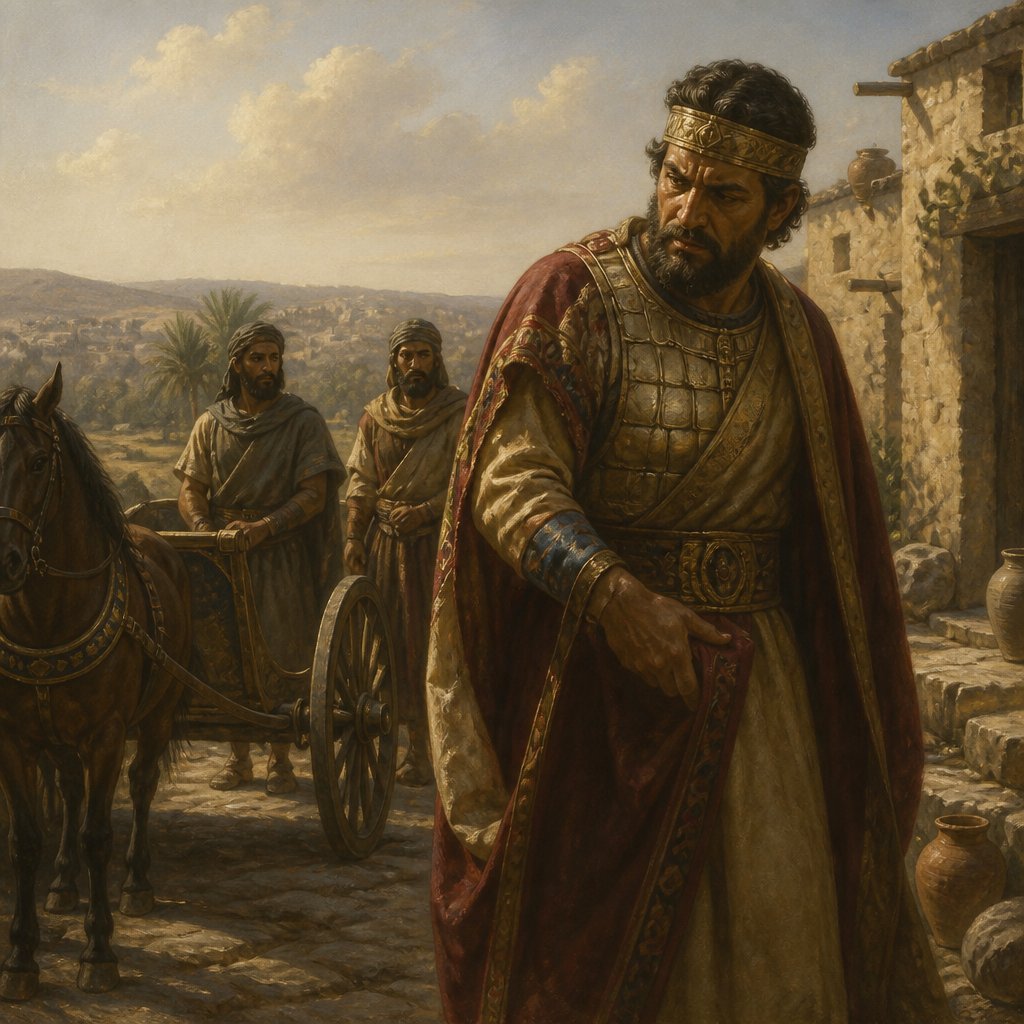
The Bible verse 2 Kings 5:11 from the King James Version (KJV) states, "But Naaman was wroth, and went away, and said, Behold, I thought, He will surely come out to me, and stand, and call on the name of the LORD his God, and strike his hand over the place, and recover the leper."
This verse comes from the story of Naaman, a high-ranking commander in the Syrian army who was suffering from leprosy. In his desperation to find a cure, Naaman seeks the help of Elisha, the prophet of God in Israel. Elisha tells Naaman to go and wash in the Jordan River seven times in order to be cured of his leprosy. Naaman, expecting a more grandiose and miraculous gesture from Elisha, becomes angry and feels belittled by the simplicity of the command.
The story of Naaman is rich in themes and symbolism that provide valuable lessons for believers. One of the central themes of this story is the idea of faith and humility. Naaman, who initially comes to Elisha seeking healing, is a proud and powerful man. His expectation of a grandiose display of power and authority from Elisha reveals his lack of faith and humility. It is only when Naaman humbles himself and follows Elisha's simple and seemingly foolish instructions that he experiences the miraculous healing power of God.
This story also highlights the importance of obedience and trust in God's plan. Naaman's initial reaction to Elisha's instructions reveals his lack of trust in God's plan for his healing. However, as he obediently follows Elisha's command, he experiences the transformative power of God. This serves as a reminder to believers that God's ways are not always our ways, and that true faith and obedience are essential in experiencing God's miraculous work in our lives.
The symbol of the Jordan River in this story also holds significant spiritual meaning. The Jordan River is a prominent symbol in the Bible, often representing a place of transition, purification, and renewal. In the context of Naaman's story, the Jordan River serves as a symbol of spiritual cleansing and transformation. As Naaman washes in the Jordan River seven times, he is not only physically cleansed of his leprosy but also spiritually renewed and transformed by the power of God.
Additionally, Naaman's healing serves as a powerful example of God's inclusive love and compassion. As a foreigner and an enemy of Israel, Naaman's encounter with Elisha and the God of Israel stands as a testament to God's willingness to extend His grace and healing to all people, regardless of their nationality or status. This demonstrates God's desire for all people to come to Him in faith and experience His transformative power.
In conclusion, the story of Naaman in 2 Kings 5:11 from the King James Version of the Bible is a powerful and inspiring narrative that is rich in themes and symbolism. It serves as a reminder of the importance of faith, humility, obedience, and trust in God's plan. The story also highlights God's inclusive love and compassion for all people. As believers, we can draw valuable lessons from Naaman's story and be encouraged to approach God with faith, humility, and obedience, trusting in His transformative power and grace.
Get our apps


Artwork for 2 Kings 5:11
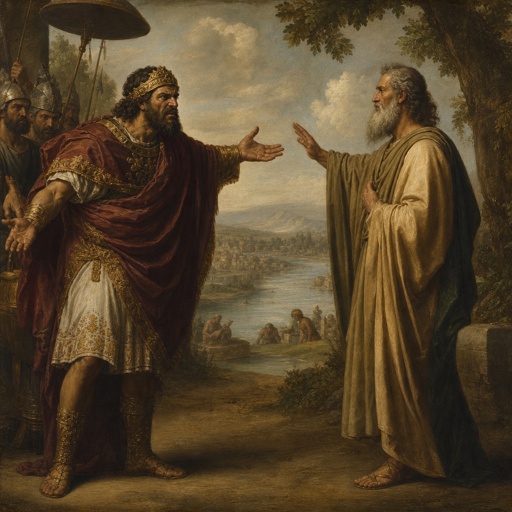
2 kings 5:11 Create Naaman being upset and frustrated at ELisha

2 Kings 5:11 - "But Naaman was wroth, and went away, and said, Behold, I thought, He will surely come out to me, and stand, and call on the name of the LORD his God, and strike his hand over the place, and recover the leper."
"But Naaman was wroth, and went away, and said, Behold, I thought, He will surely come out to me, and stand, and call on the name of the LORD his God, and strike his hand over the place, and recover the leper." - 2 Kings 5:11
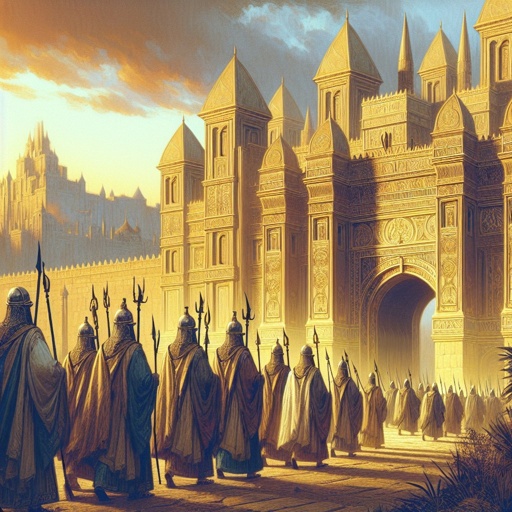
2 Kings 11:5 - "And he commanded them, saying, This is the thing that ye shall do; A third part of you that enter in on the sabbath shall even be keepers of the watch of the king's house;"

1 Kings 11:5

1 Kings 11:1-5
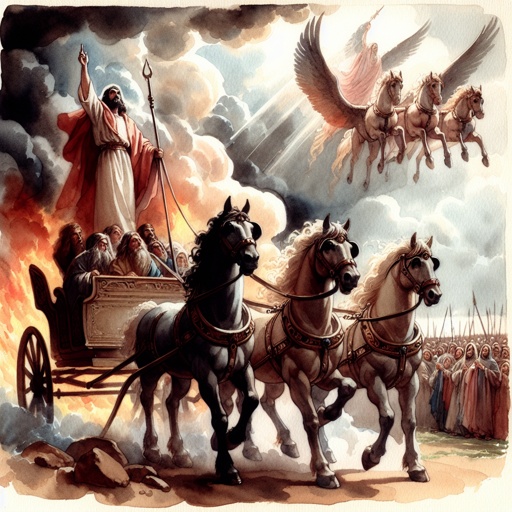
2 Kings 2:11
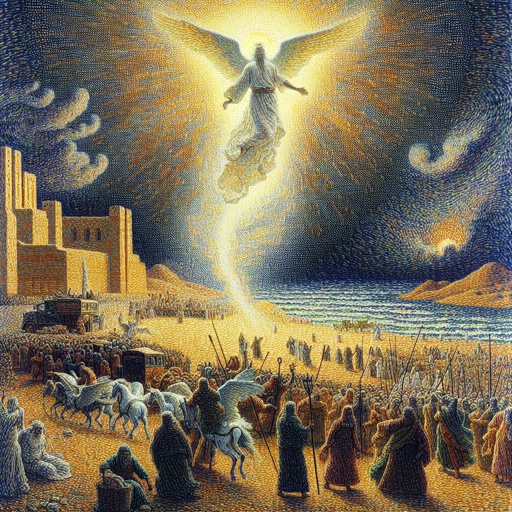
2 Kings 2:11

2 Kings 2:11

2 Kings 15:11 - "And the rest of the acts of Zachariah, behold, they are written in the book of the chronicles of the kings of Israel."

1 Kings 5:11 - "And Solomon gave Hiram twenty thousand measures of wheat for food to his household, and twenty measures of pure oil: thus gave Solomon to Hiram year by year."

1 Kings 11:5 - "For Solomon went after Ashtoreth the goddess of the Zidonians, and after Milcom the abomination of the Ammonites."

1 Kings 5:2 - "And Solomon sent to Hiram, saying,"

2 Kings 4:4-5

2 Kings 7:11 - "And he called the porters; and they told it to the king's house within."

2 Kings 19:5 - "So the servants of king Hezekiah came to Isaiah."

Philippians 2:5-11

2 Kings 24:5 - "¶ Now the rest of the acts of Jehoiakim, and all that he did, are they not written in the book of the chronicles of the kings of Judah?"

Joshua 11:5 - "And when all these kings were met together, they came and pitched together at the waters of Merom, to fight against Israel."

2 Kings 2:11 – "As they were walking along and talking together, suddenly a chariot of fire and horses of fire appeared."

2 Kings 11:21 - "Seven years old was Jehoash when he began to reign."

2 Kings 24:11 - "And Nebuchadnezzar king of Babylon came against the city, and his servants did besiege it."

2 Kings 19:11 - "Behold, thou hast heard what the kings of Assyria have done to all lands, by destroying them utterly: and shalt thou be delivered?"

Song of Solomon 5:11

2 Kings 5:19 - "And he said unto him, Go in peace. So he departed from him a little way."

2 Kings 4:11 - "And it fell on a day, that he came thither, and he turned into the chamber, and lay there."

Joshua 11:2 - "And to the kings that were on the north of the mountains, and of the plains south of Chinneroth, and in the valley, and in the borders of Dor on the west,"

2 Kings 11:20 - "And all the people of the land rejoiced, and the city was in quiet: and they slew Athaliah with the sword beside the king's house."

2 Kings 3:5 - "But it came to pass, when Ahab was dead, that the king of Moab rebelled against the king of Israel."

2 Chronicles 11:5 - "¶ And Rehoboam dwelt in Jerusalem, and built cities for defence in Judah."