What does 2 Kings 5:3 mean?
“And she said unto her mistress, Would God my lord were with the prophet that is in Samaria! for he would recover him of his leprosy.” — 2 Kings 5:3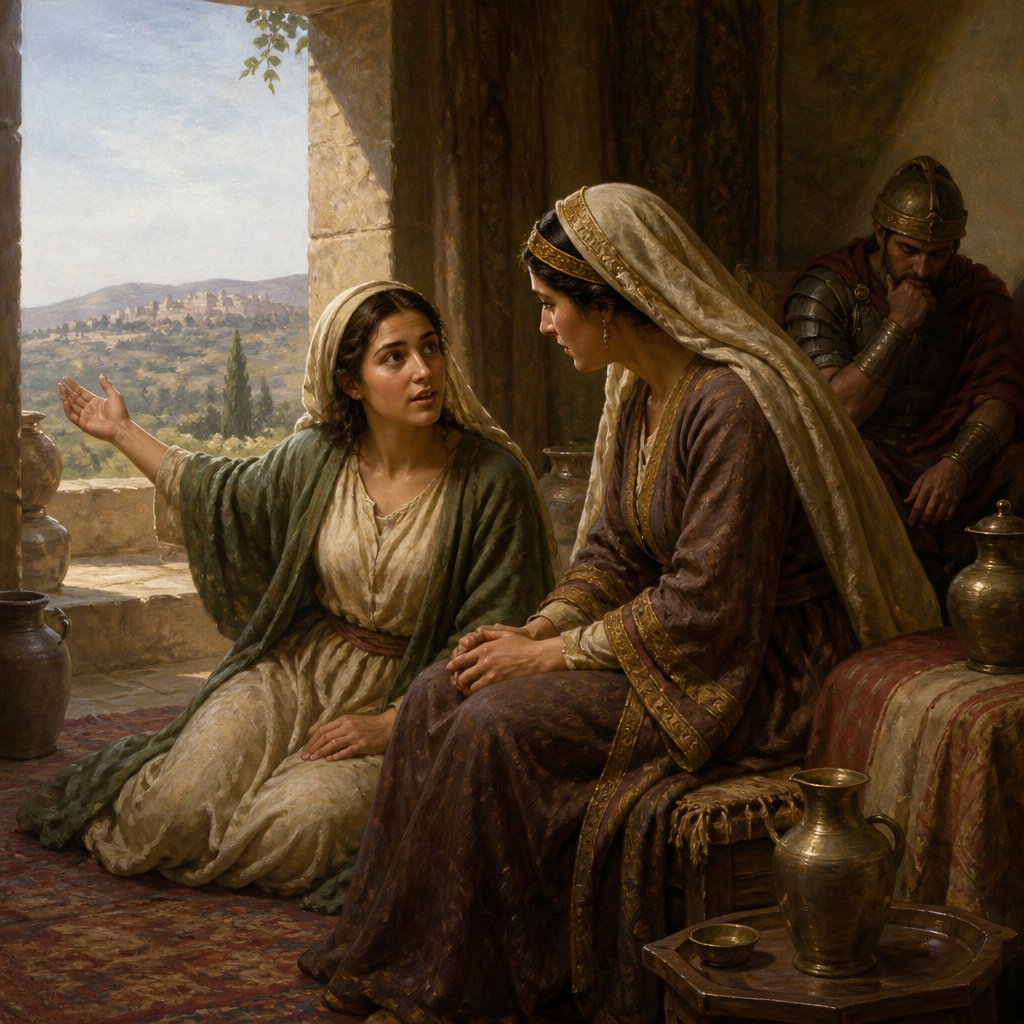
The verse 2 Kings 5:3 from the King James Version of the Bible reads, "And she said unto her mistress, Would God my lord were with the prophet that is in Samaria! for he would recover him of his leprosy." This verse comes from the Old Testament and is a part of the story of Naaman, a commander of the army of the king of Aram, who was afflicted with leprosy.
In this verse, a young Israelite girl who served Naaman's wife expresses a wish that her master could go to the prophet in Samaria, for she believes that he would be able to cure Naaman's leprosy. This simple expression of faith and hope is significant in the larger context of the narrative in 2 Kings 5.
The story of Naaman's healing has several themes that are relevant to this verse. Firstly, the theme of faith and belief in the power of God's prophets is central. The young girl's statement reflects her belief that Elisha, the prophet in Samaria, has the power to heal Naaman. This demonstrates the faith and confidence that the young girl has in the prophet, and by extension, in God's ability to work miracles through His chosen servants.
Secondly, the verse addresses the idea of the unlikeliness of healing. In ancient times, leprosy was a feared and incurable disease, often causing those afflicted with it to be shunned from society. The fact that the young girl's suggestion for Naaman to seek healing from Elisha was not considered far-fetched or impossible is a testament to the faith and hope that she had in the power of God to perform miracles.
Another theme that is present in this verse is the idea of compassion and empathy. The young girl's concern for Naaman's suffering and her desire for his healing reflects a sense of compassion and care for others, even those who belong to a different culture or nation. This theme of compassion is further developed as Naaman eventually seeks out Elisha and is ultimately healed of his leprosy, highlighting the transformative power of compassion and empathy.
Additionally, the historical context of this verse is important to consider. In ancient times, different nations and cultures often had their own religious beliefs and practices. The fact that the young Israelite girl, who was a captive in a foreign land, had not lost her faith in her own God and her belief in the power of the prophet Elisha, demonstrates the resilience and strength of her faith even in the face of adversity.
Symbolism can also be found in this verse. The mention of Samaria, the capital of the northern kingdom of Israel, holds significance as it was a place where Elisha, a significant prophet in the Bible, resided. Samaria itself holds symbolic value as a place where the power of God was manifest through His chosen prophets.
Overall, 2 Kings 5:3 is a verse that encapsulates themes of faith, hope, compassion, and the power of God to work miracles. It serves as a reminder of the enduring nature of faith, the transformative power of compassion, and the belief in the ability of God to perform wonders even in the most unlikely of circumstances.
Get our apps


Artwork for 2 Kings 5:3

2 Kings 5:3 - "And she said unto her mistress, Would God my lord were with the prophet that is in Samaria! for he would recover him of his leprosy." respectful, symbolic bible verse art

2 kings 5:3 Create a scene with a young servant girl talking earnestly with her mistress who is looking at her intently. the surroundings are rich in keeping with early biblical times of 2 kings
"And she said unto her mistress, Would God my lord were with the prophet that is in Samaria! for he would recover him of his leprosy." - 2 Kings 5:3

2 Kings 3:5 - "But it came to pass, when Ahab was dead, that the king of Moab rebelled against the king of Israel."

"But it came to pass, when Ahab was dead, that the king of Moab rebelled against the king of Israel." - 2 Kings 3:5

2 Kings 3:15

2 Kings 3:15

1 Kings 5:2 - "And Solomon sent to Hiram, saying,"

2 Kings 3:15

2 Kings 4:4-5

2 Kings 19:5 - "So the servants of king Hezekiah came to Isaiah."

2 corinthians 10:3-5

2 corinthians 10:3-5

2 Kings 24:5 - "¶ Now the rest of the acts of Jehoiakim, and all that he did, are they not written in the book of the chronicles of the kings of Judah?"

2 corinthians 10:3-5

2 corinthians 10:3-5

2 corinthians 10:3-5

2 corinthians 10:3-5

2 corinthians 10:3-5

2 corinthians 10:3-5

2 corinthians 10:3-5

2 corinthians 10:3-5

2 corinthians 10:3-5

2 corinthians 10:3-5

2 Kings 3:16-19

2 Kings 3:10 - "And the king of Israel said, Alas! that the LORD hath called these three kings together, to deliver them into the hand of Moab!"

2 Kings 3:23 - "And they said, This is blood: the kings are surely slain, and they have smitten one another: now therefore, Moab, to the spoil."

Titus 2:3-5
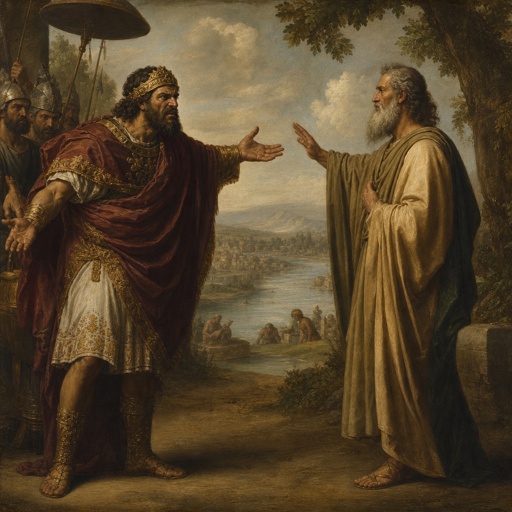
2 kings 5:11 Create Naaman being upset and frustrated at ELisha

2 Kings 5:19 - "And he said unto him, Go in peace. So he departed from him a little way."